
4 Days in Paris: The Perfect Cultural Itinerary
This post contains affiliate links. As an Amazon Associate, I earn from qualifying purchases at no extra cost to you. I only recommend products I personally use and love. For more details, please check out my full Disclosure.
Paris, the City of Light and Love, enchants visitors from the first glance. No matter how many times you return, its majestic boulevards, spectacular architecture, and vibrant energy always reveal something new and unforgettable. Having visited Paris more than fifteen times since my high school years, I can say each journey feels like a fresh romance—its remarkable historic buildings and rich cultural heritage are endlessly captivating. While Paris may seem vast and layered, even a brief stay lets you dive deep into its wonders and savor experiences that linger long after your trip.
This four-day itinerary aims to provide you with an ideal blend of monumental history, legendary art, and authentic neighborhood charm.
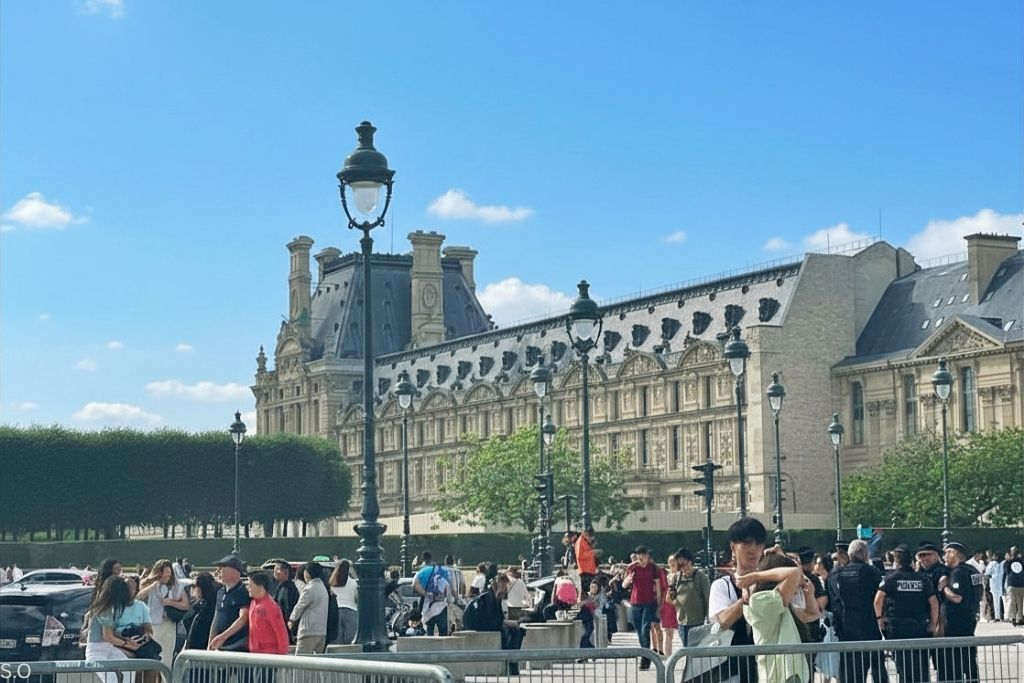
Table of Contents
Day 1 – Royal History and Historic Passages
Morning: The Louvre Museum and Tuileries Garden
Afternoon: Place de la Concorde, Petit Palais, and Grand Palais
Evening: Seine River Cruise
Dinner Time
Day 2 – Historic Paris & The Left Bank
Morning: Île de la Cité and Hotel de Ville
The Notre-Dame Cathedral
Midday – Saint-Germain-des-Pres and Latin Quartier
Iconic Meeting Spot-La Fontaine de Saint Michel
Brunch at Cafe de Flore or Les Deux Magots
Afternoon – Visit The Academic Heart of Paris in Latin Quartier
Recommended Dinner Venues
Day 3 – Artistic Treasures and Montmartre’s Charm
Morning: Impressionist Masterpieces at Musée d’Orsay
Recommended Lunch Spots Near Musee D’Orsay
Afternoon – The Bohemian Vibe of Montmartre
Late Afternoon: The Vibrant Streets of Pigalle
Evening: Moulin Rouge and Local Dining
Recommended Restaurants
Day 4: Modern Icons & Elegant Avenues
Morning: A Spectacular Tour of Palais Garnier
La Tour Eiffel (Eiffel Tower) and a Parisian Picnic
Afternoon: Walking along the Champs-Élysées
Evening: Sunset at the Arc de Triomphe
Dinner: A Grand French Finale
FAQs – Transportation in Paris
Airport Transfers
Best Time to Visit Paris
What to Wear or Pack for Paris
Paris Museum Pass
Where to Stay in Paris
Day Trips and Sightseeing
Day 1 – Royal History and Historic Passages
On your first day, you will experience the regal and artistic center of Paris at the Louvre Museum, where significant landmarks are complemented by picturesque settings that reveal the city’s rich history at every corner
Watch: A timeless journey through Paris—from the Louvre Museum and Musée d’Orsay to a stroll through the Jardin des Tuileries, ending with an evening Seine River cruise and the Eiffel Tower illuminated at night.
Morning: The Louvre Museum and Tuileries Garden
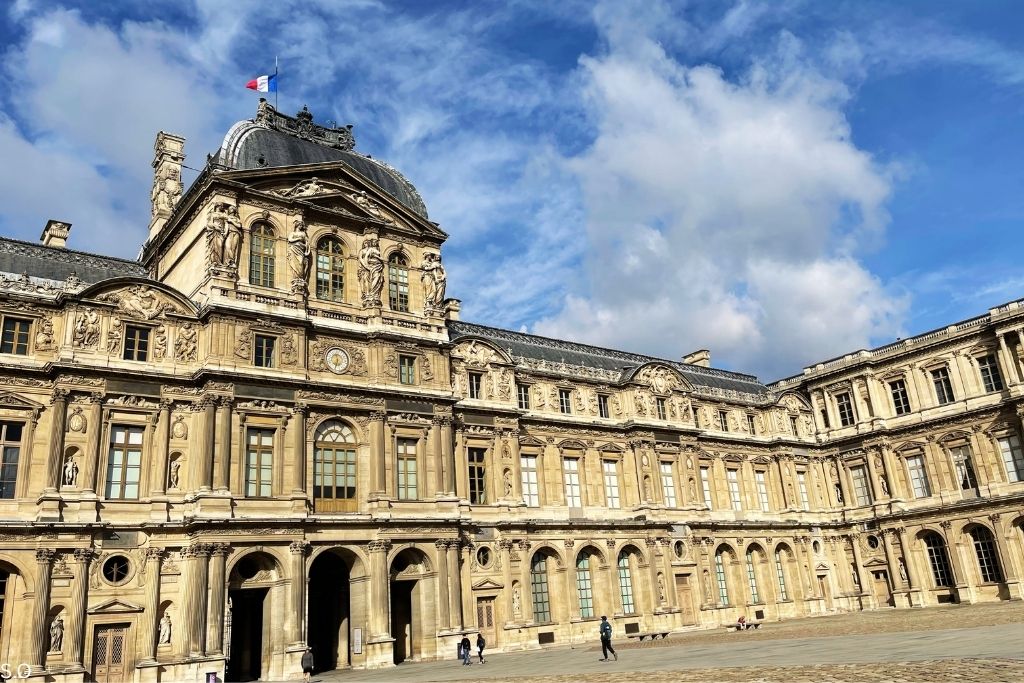
Begin your Parisian adventure at the world-renowned Louvre Museum. Nestled on the right bank (rive droite) of the Seine in the 1st arrondissement, the Louvre, the former royal palace, is celebrated as one of the oldest and most visited art museums in the world.
Its iconic glass pyramid, gleaming in the courtyard since 1988, sets the stage for an encounter with over 35,000 works of art displayed across three vast wings covering 652,000 square feet—Richelieu, Sully, and Denon.
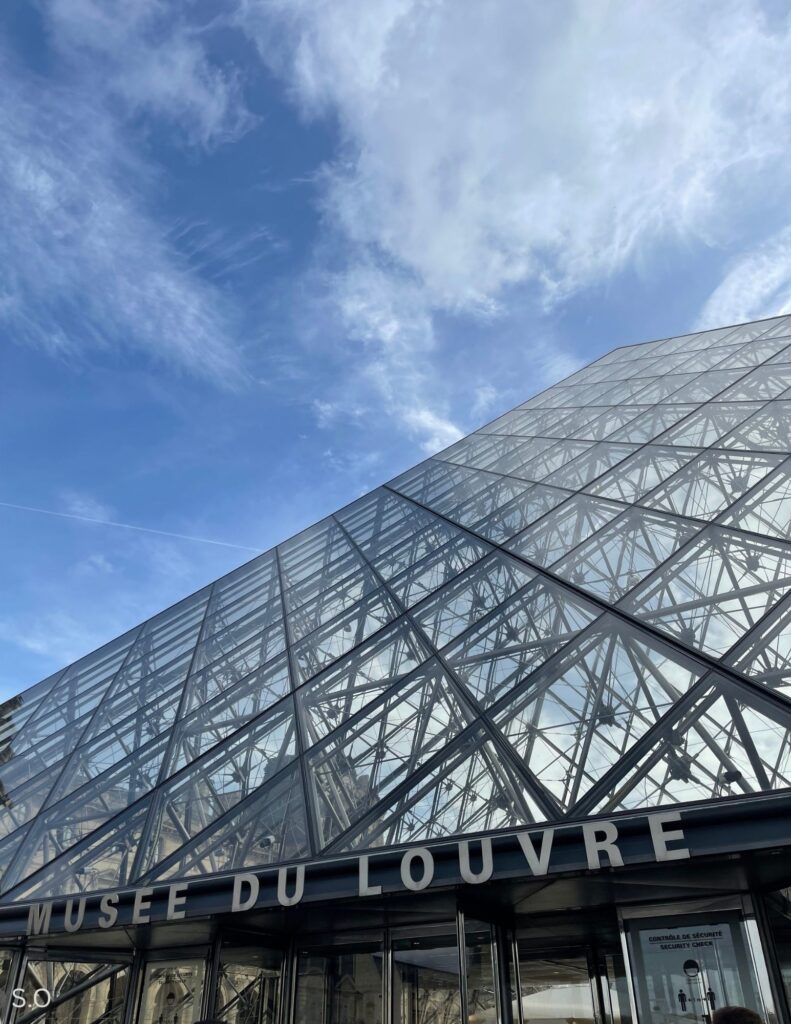

When planning your visit to the iconic Louvre Museum, consider selecting a theme for your exploration to avoid museum fatigue—trying to see everything in one visit can be overwhelming, even for the most enthusiastic art lovers.
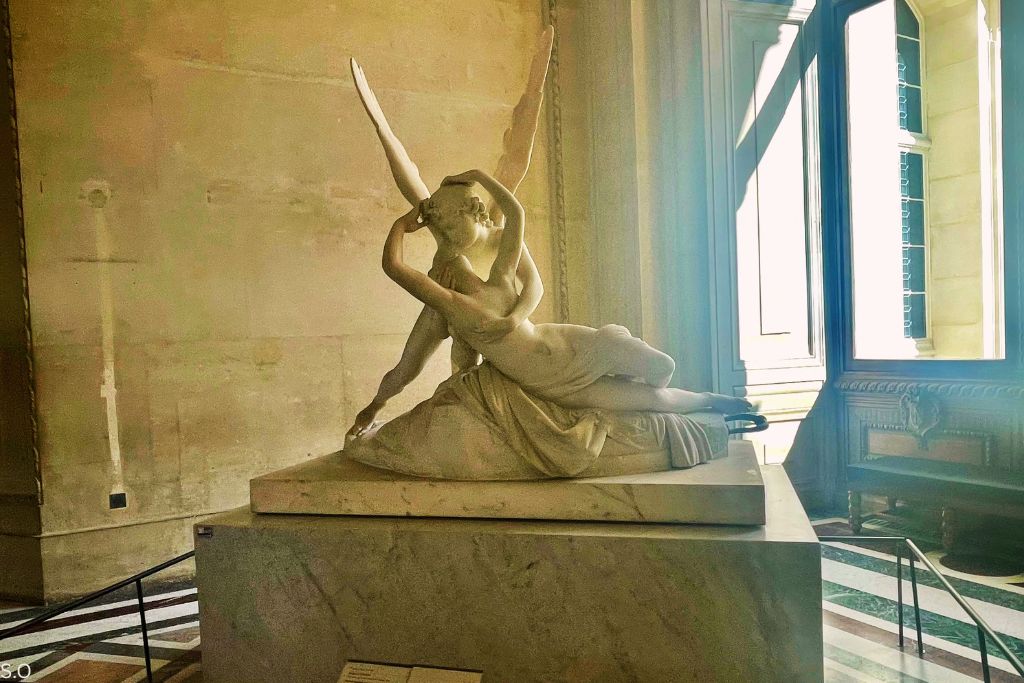
The Louvre is a vast treasure trove, home to everything from ancient Egyptian wonders and masterpieces by Leonardo da Vinci and Delacroix, to legendary sculptures like the Winged Victory of Samothrace, the Venus de Milo, and Cupid’s Kiss.
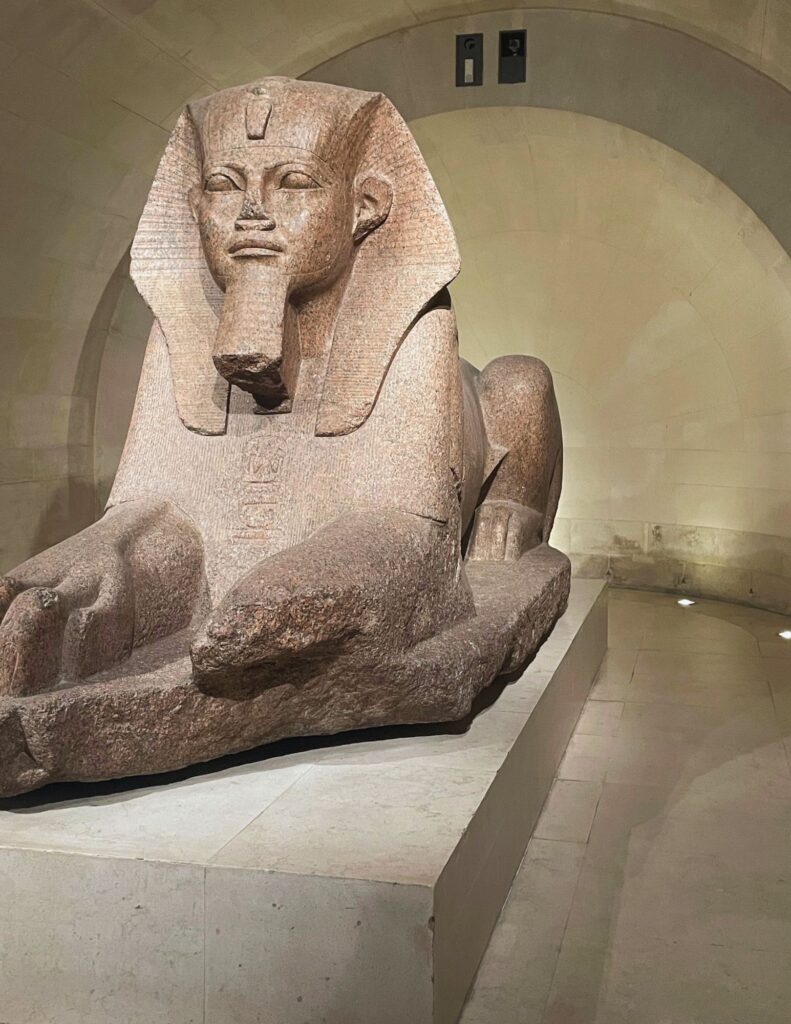
For a more rewarding experience, organize your route by wings:
- Denon Wing: Discover Cupid’s Kiss, the awe-inspiring Winged Victory of Samothrace, and a selection of remarkable Egyptian antiquities.
- Sully Wing: Visit the graceful Venus de Milo alongside Aphrodite Venus, Eros, and other stunning examples of Greek sculpture. This wing also houses a significant collection of ancient Egyptian artifacts.
- Richelieu Wing: Admire the enigmatic Mona Lisa and an outstanding array of Italian paintings. You’ll also find Near Eastern treasures, including unique Cypriot treasuries.
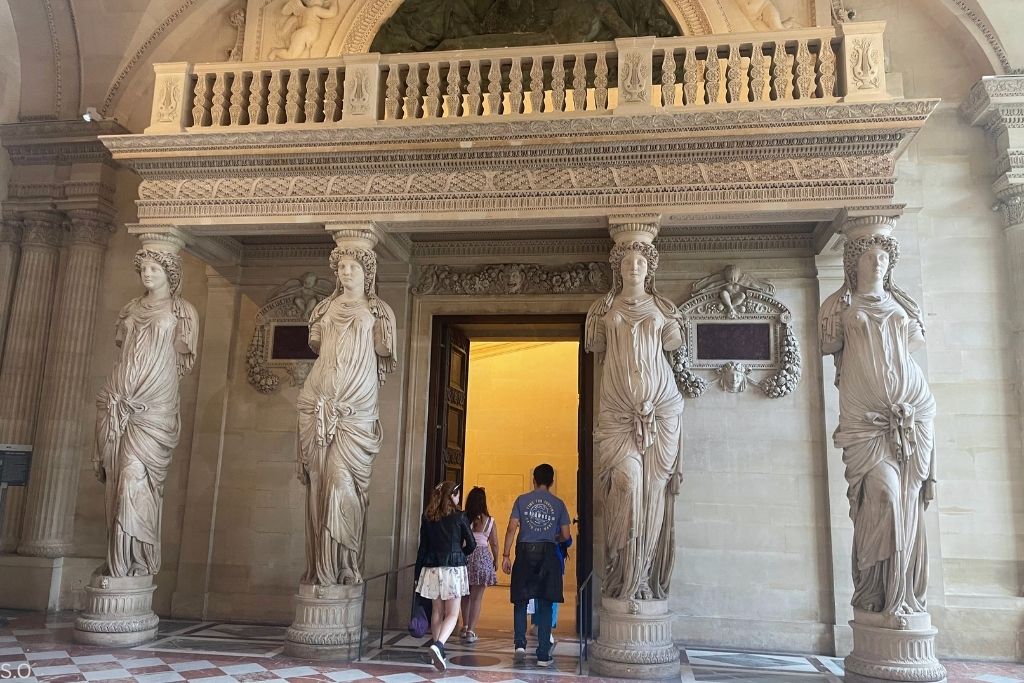
Museum tip: The Louvre is open Saturday–Monday and Wednesday–Friday, with special late hours on Wednesday and Friday nights. Summer months draw the largest crowds; if possible, visit in the evening for a quieter experience.
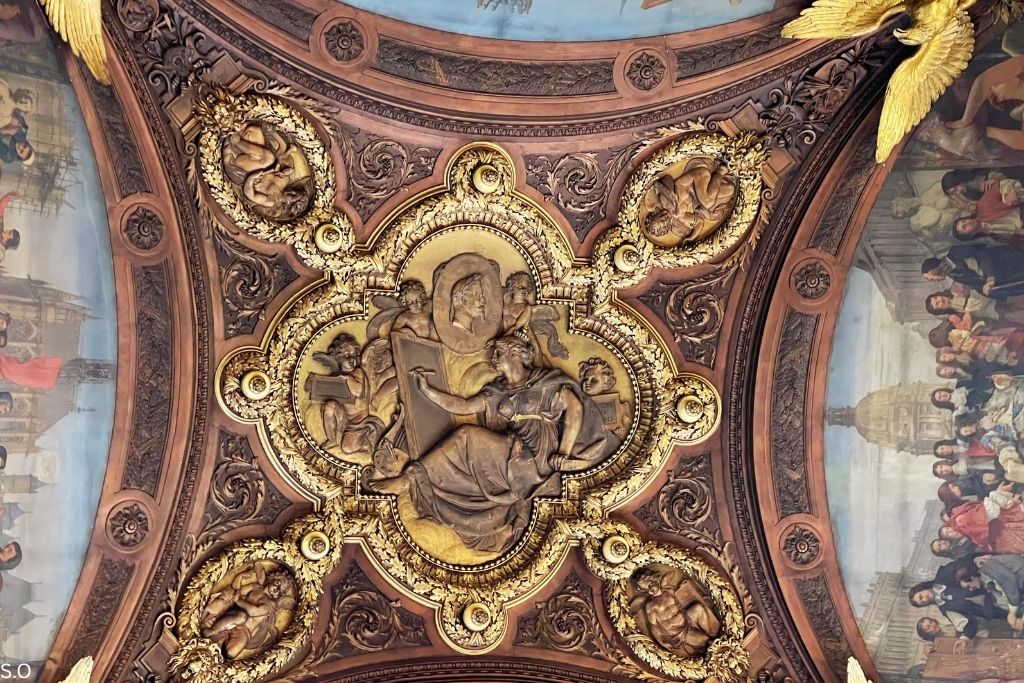
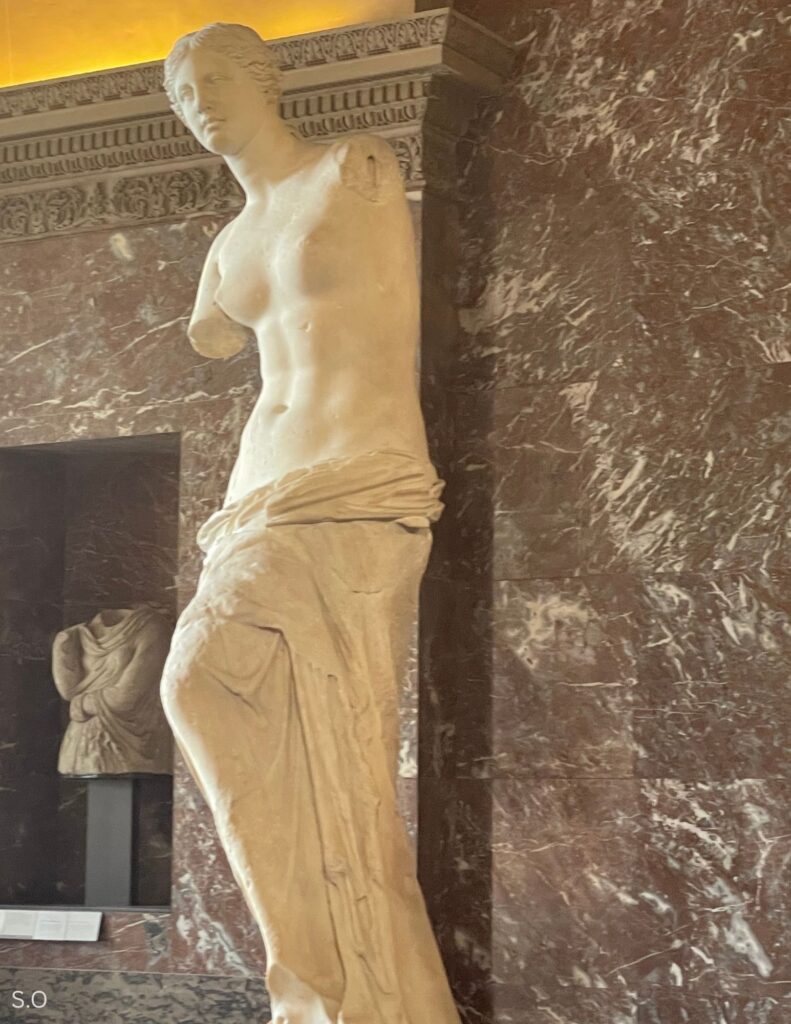
Always purchase tickets online before your trip, and check the official website for the most current admission prices, which increased for non-EU visitors in 2026.
Browse your Louvre Tickets
Jardin des Tuileries
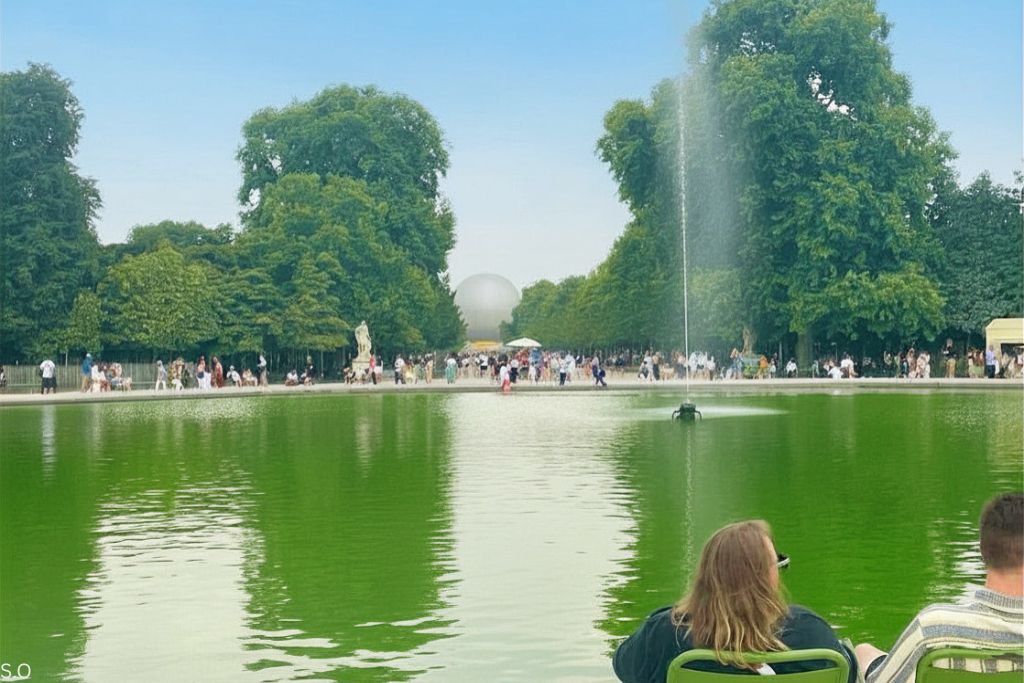
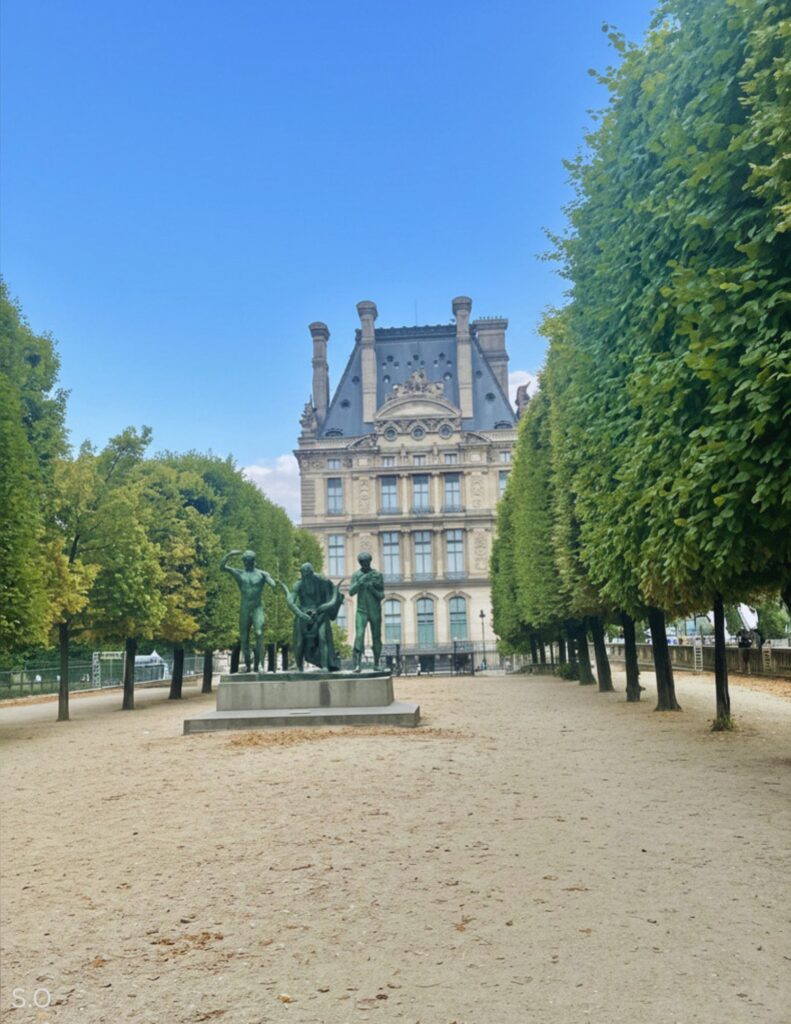
Following a morning of art, step straight into the enchanting Jardin des Tuileries. Once the private gardens of Catherine de’ Medici, this historic park stretches between the Louvre and the Place de la Concorde. Pause to admire the ornamental ponds—perfect spots to grab one of the famous green metal chairs and watch the world go by as children launch their little sailboats across the water.
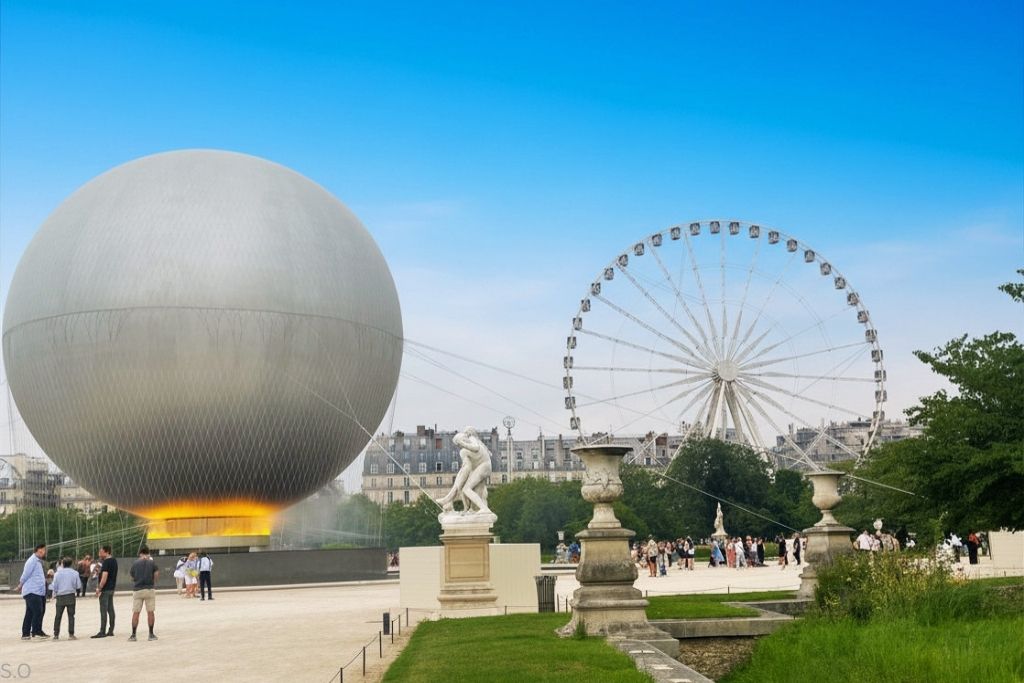
If you visit after 2024, you’ll spot the modern Olympic cauldron platform still on display—a nod to the garden’s role in recent Olympic history and its ever-evolving place at the crossroads of Parisian life. The cauldron still stays on display in Jardin des Tuileries from 10 am to 9 pm and rises to sky at nights.
Afternoon: Place de la Concorde, Petit Palais, and Grand Palais
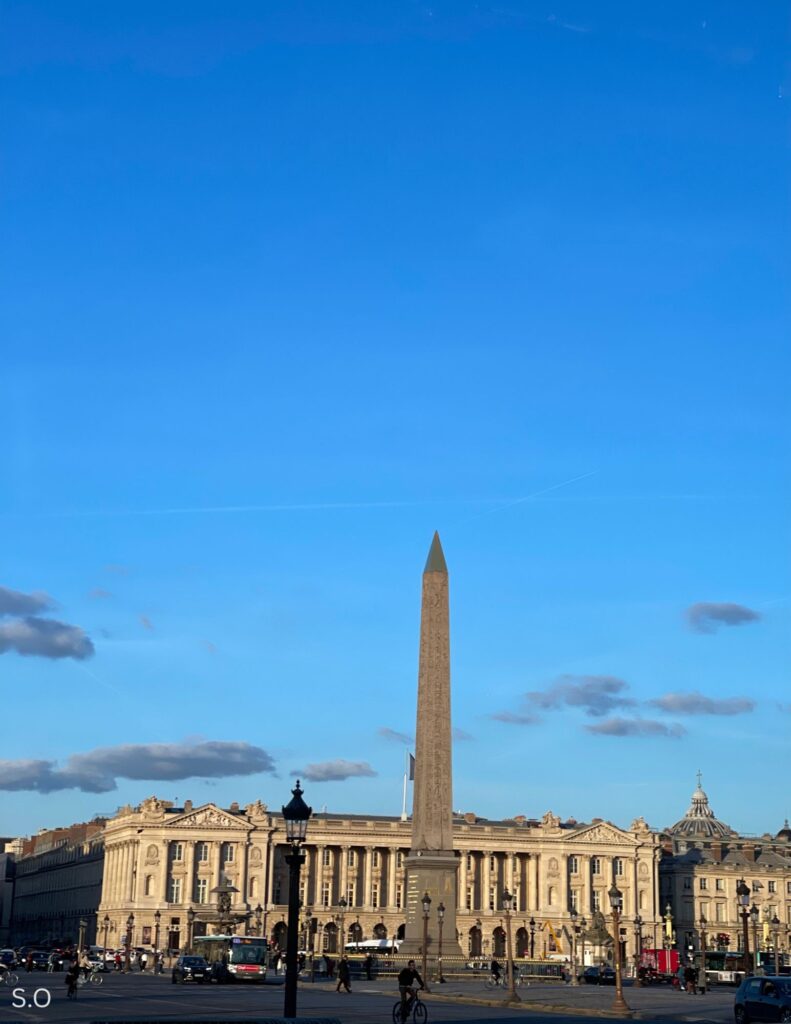
Stroll westward to the magnificent Place de la Concorde—Paris’s largest public square. This historical ground was the stage for celebrations and somber moments alike, from the liberation at the end of World War I to the executions of French royalty, including Louis XVI and Marie Antoinette during the Revolution.
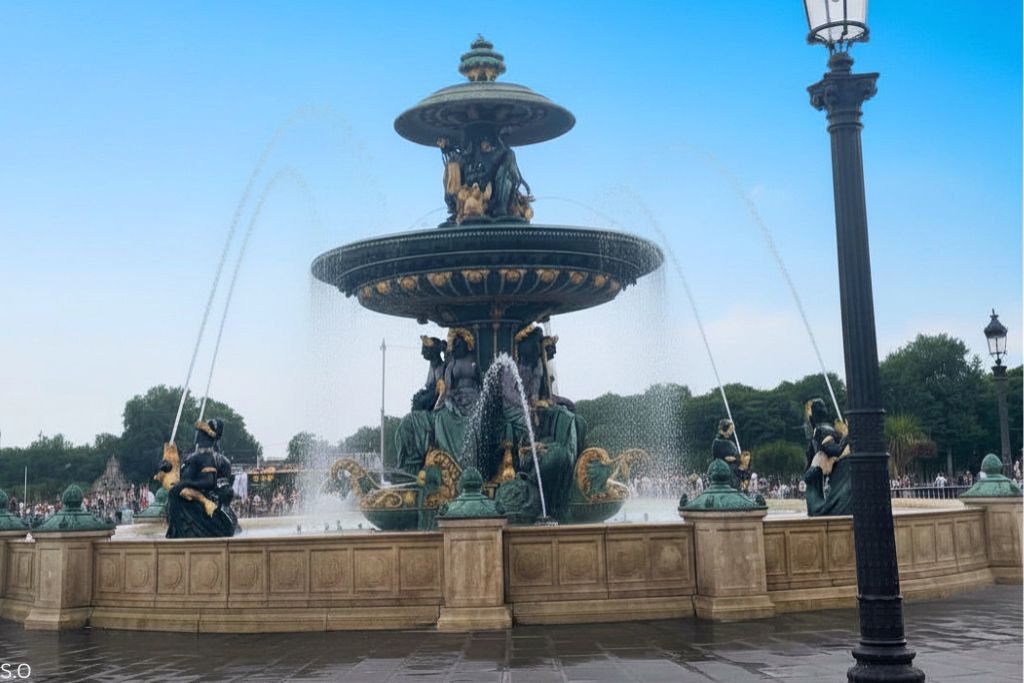
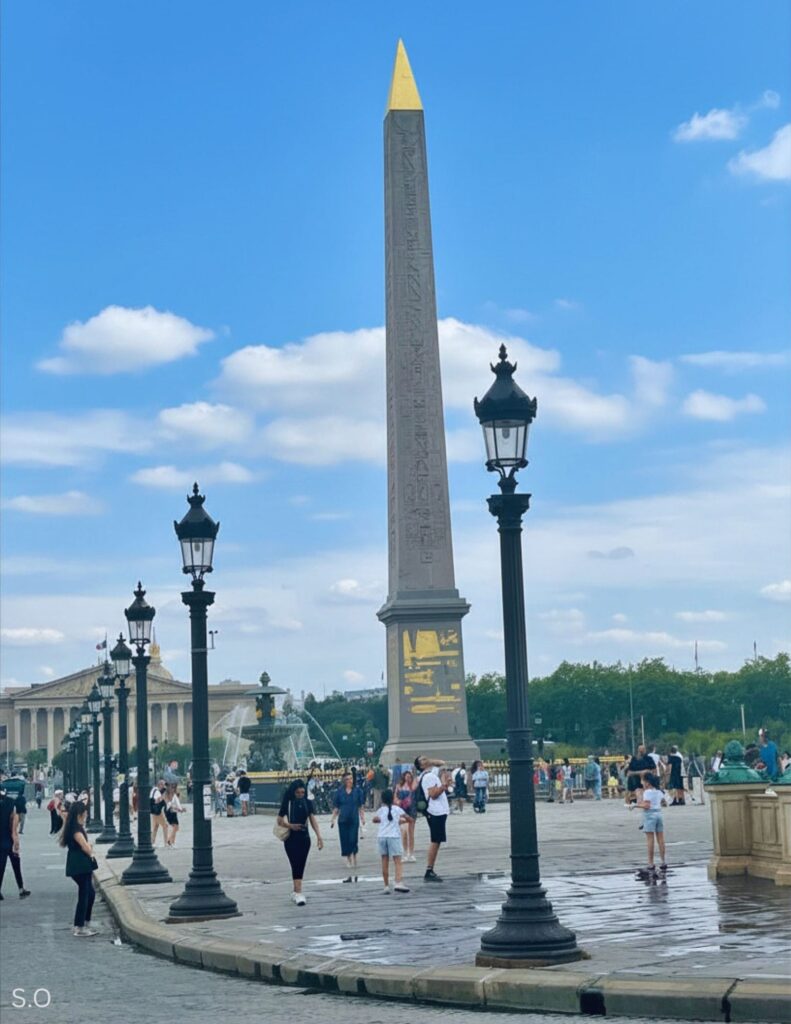
At its center rises the ancient Luxor Obelisk, flanked by beautiful fountains representing France’s rivers and seas. Each step here is steeped in stories, from royal extravagance to revolutionary change.
Crepery for Lunch
Enjoy lunch with a classic Parisian treat at Happy Caffe or Café Courtial, both located near the Jardin des Tuileries and famed for their delicious crêpes and galettes. These spots offer a relaxing midday pause while sightseeing. If you prefer something closer to the Louvre Museum, Café Courtial, La Crepe is another excellent choice for crepes.
Le Petit Palais
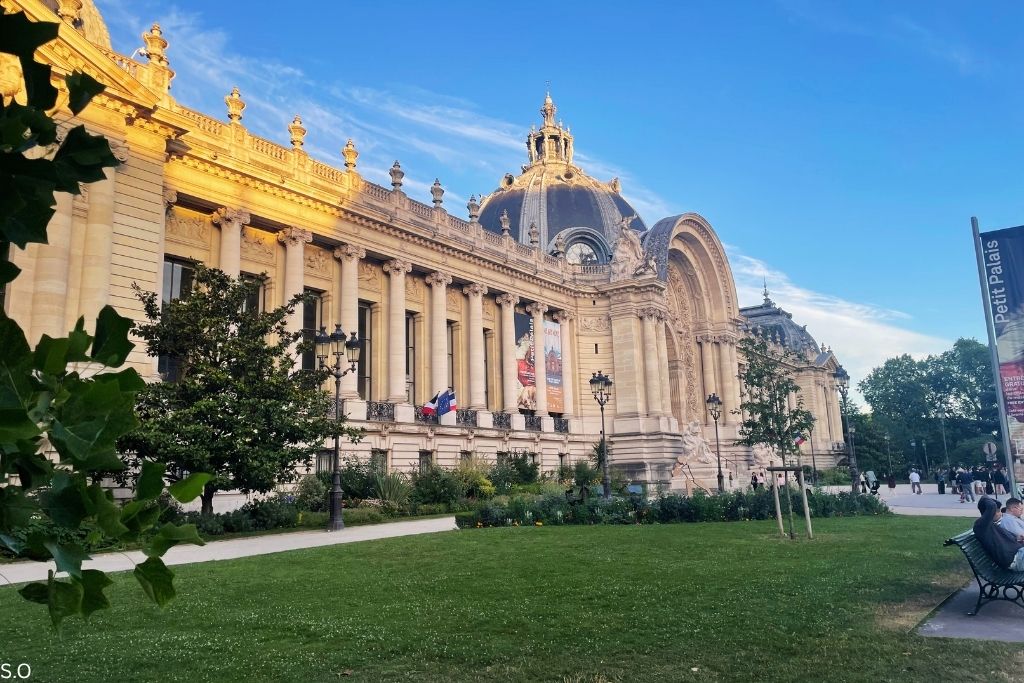
After lunch, indulge your artistic curiosity at the nearby Petit Palais. This Beaux-Arts jewel in the 8th arrondissement hosts a free-admission collection with works by Claude Monet, Paul Cézanne, and Auguste Renoir and a treasure trove of Renaissance artifacts.
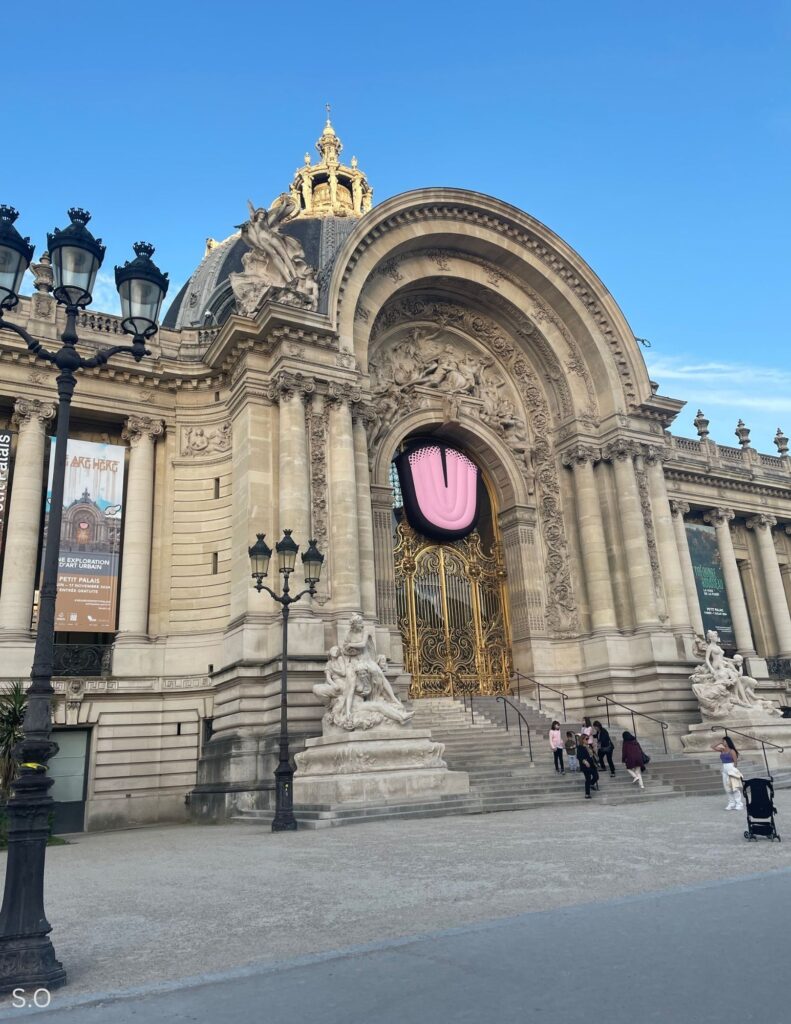
Petit Palais is open Tuesday to Sunday, 10:00 AM–6:00 PM, and until 8:00 PM on Fridays and Saturdays for temporary exhibitions. It is closed on Mondays.
Le Grand Palais
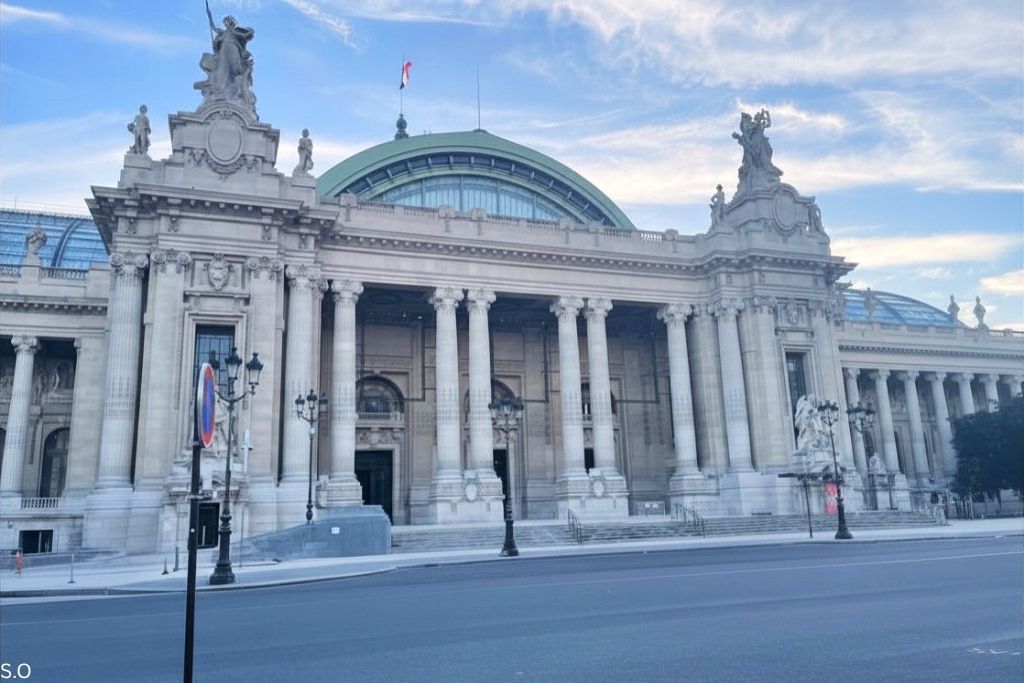
Opposite, the Grand Palais dazzles with its massive glass dome and ongoing exhibitions—its blend of history and innovation reflecting the city’s seamless mix of old and new.
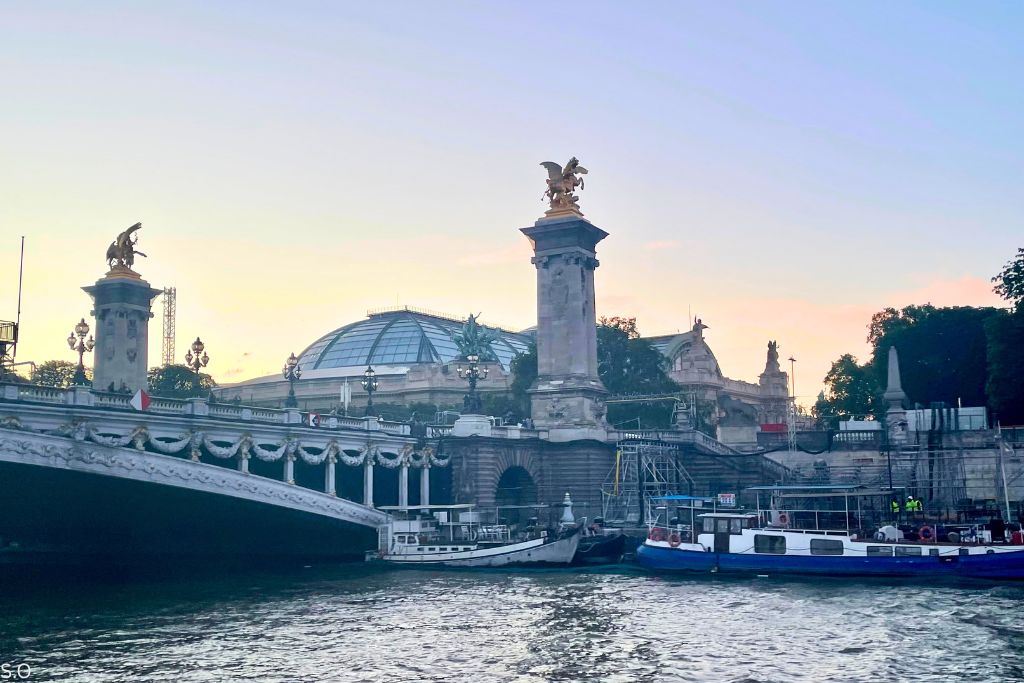
As an intriguing fact, the Grand Palais served as a military hospital during WW1.
Experience the unique charm of Paris with a scenic cruise along the Seine—book your memorable tour here.
Evening: Seine River Cruise
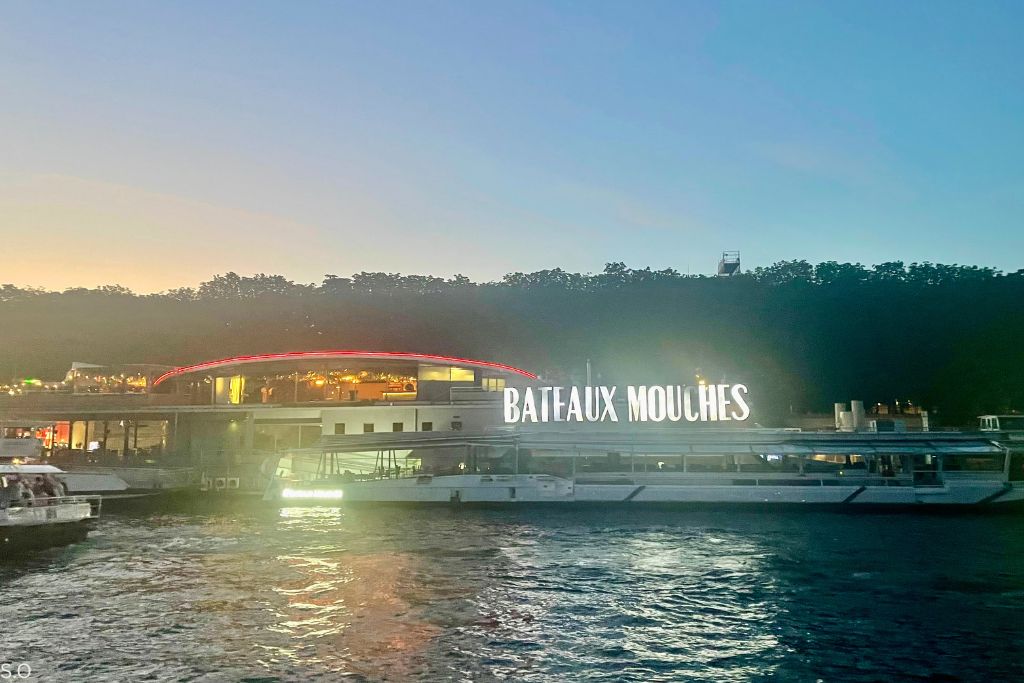
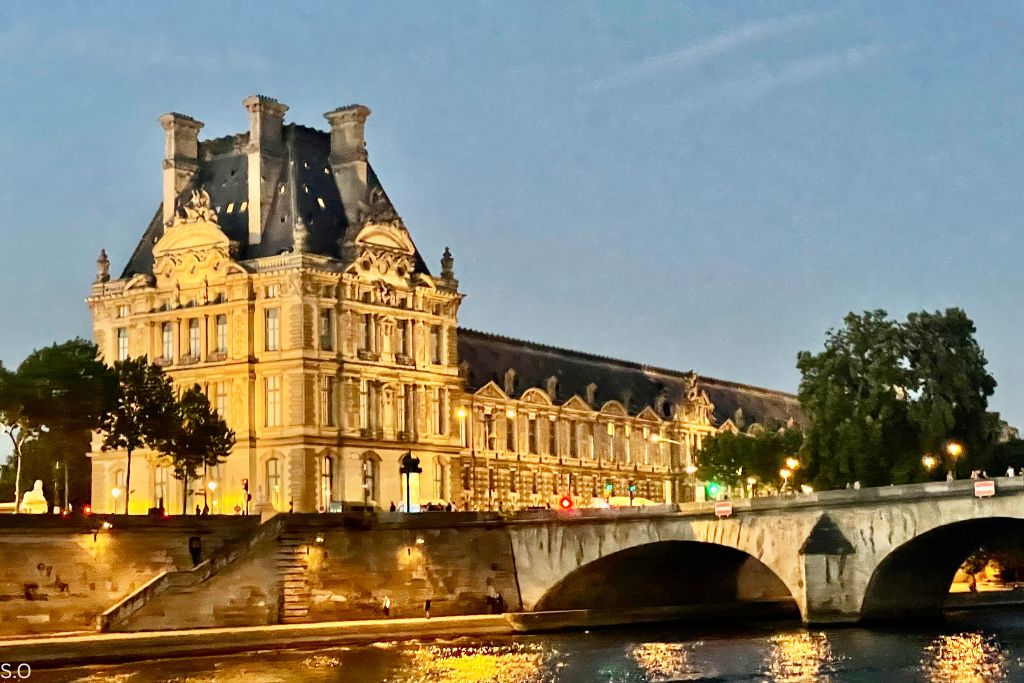
When the sun goes down, head to the banks of the Seine for the classic bateau-mouche river cruise. Gliding along the water, Paris’s most cherished monuments—from the Eiffel Tower to Notre-Dame—glow with golden light, their reflections twinkling on the river’s surface.
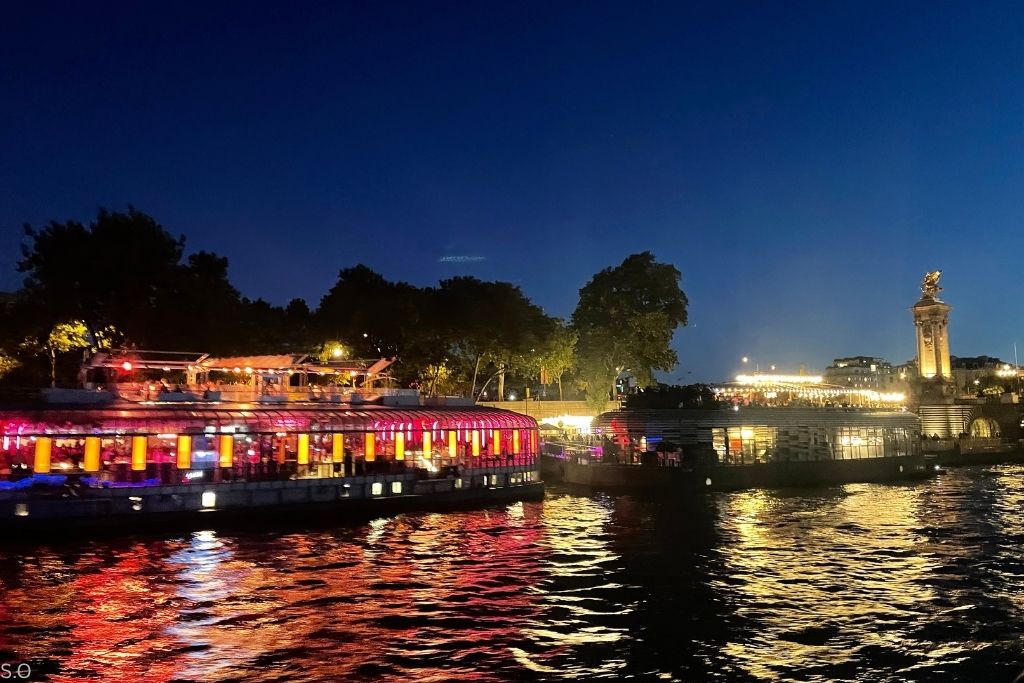
Bateaux Mouches is located on the banks of the Seine between Pont de l’Alma and Pont des Invalides.
Choose a traditional cruise, or enhance the experience with a romantic dinner and live music. While on board, you can also watch other bateau mouche guests enjoying themselves.
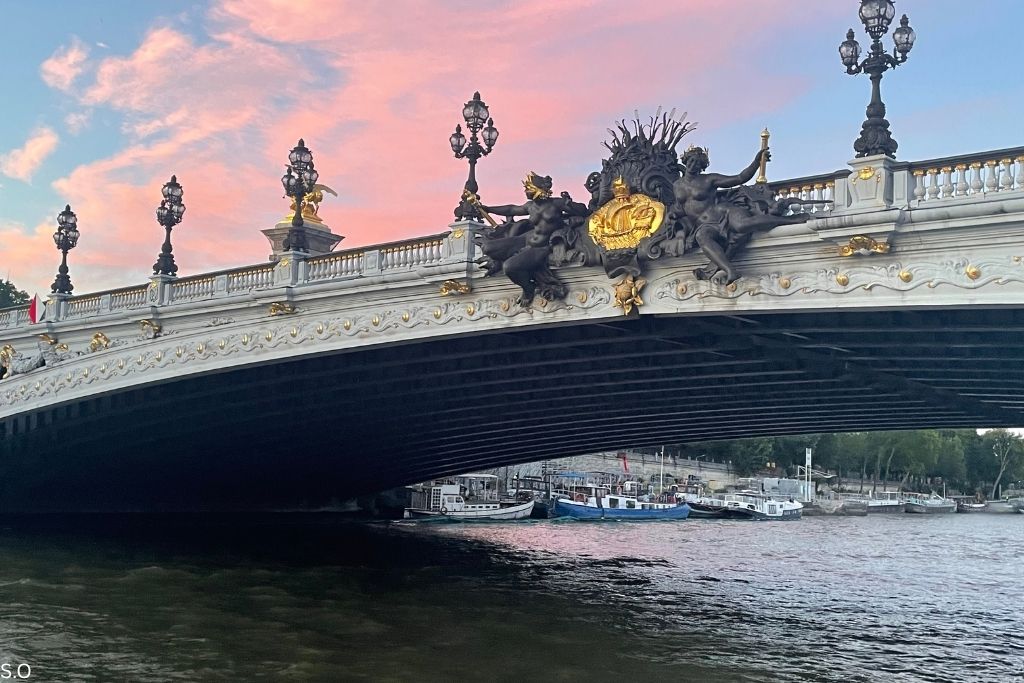
If you visit Paris during autumn or winter, you can still take a bateau mouche cruise between 10:15 am and 9:30 pm.
Dinner Time
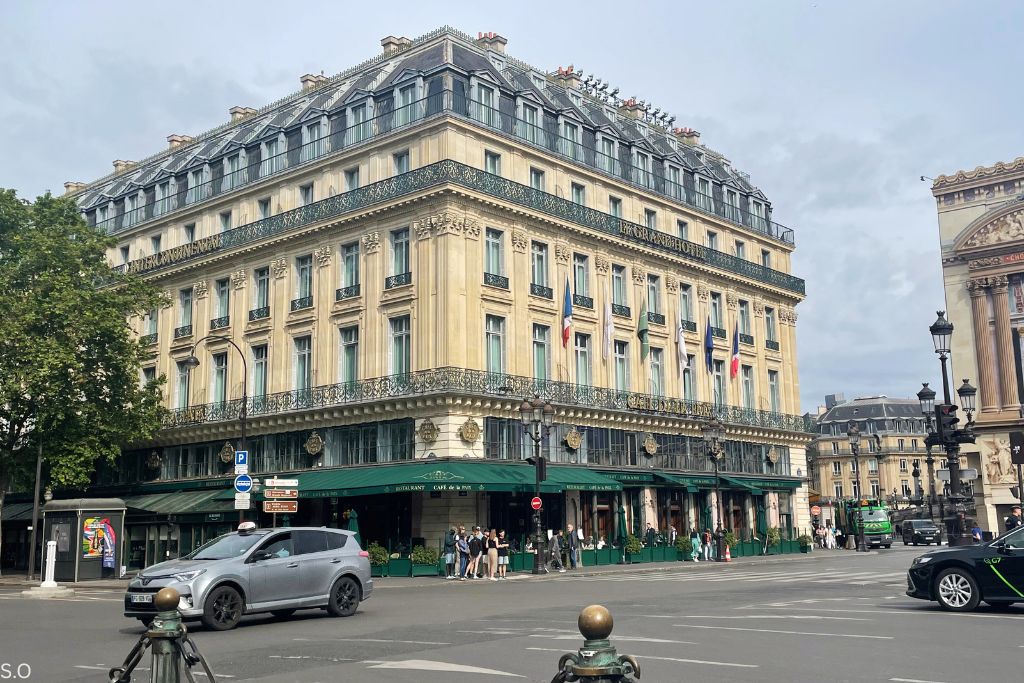
Round off your first day with dinner at Le Florentin, a welcoming destination known for French classics like duck confit, onion soup, and escargot. Located a few blocks away from Place de la Concorde, you can reserve a table online, and the restaurant is open until 11 pm.
Alternatively, try Restaurant Margaux near the Bateaux-Mouches dock for homestyle dishes such as pot-au-feu, fondue, and vol-au-vent—open until midnight, making it ideal for a late meal after your evening cruise. Moreover, you can conveniently book a table online as well.
Day 2 – Historic Paris & The Left Bank
Get ready to explore the historic heart of Paris on the Left Bank, where centuries-old landmarks, lively cafés, and the vibrant spirit of the Latin Quarter invite you to experience the city’s rich cultural tapestry.
Morning: Île de la Cité and Hotel de Ville
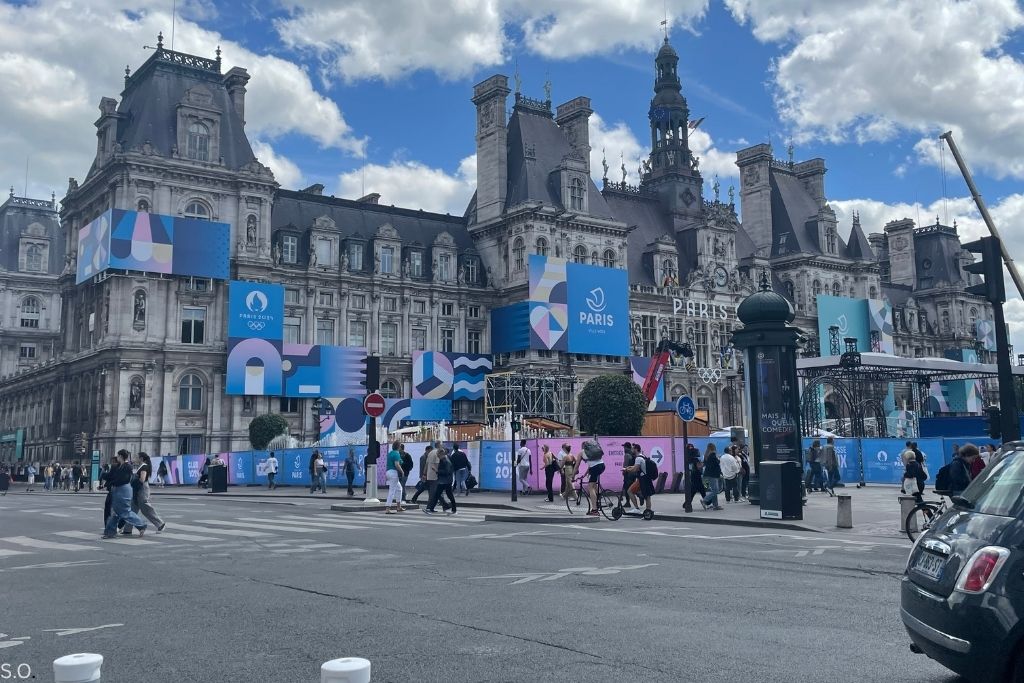
Begin your day at Hotel de Ville, the historical City Hall of Paris and an enduring symbol of the city’s civic life. Located in the 4th arrondissement, just across from Île de la Cité, its magnificent Neo-Renaissance façade is adorned with statues of influential Parisians and the national motto of the French Republic: liberté, égalité, fraternité. This grand building has long been the heartbeat of government in Paris—it played a central role during the French Revolution as a gathering place for revolutionaries, and remains the site for civil wedding ceremonies performed by the mayor.
Most recently, during the 2024 Summer Olympics, Hotel de Ville marked the starting line for both the men’s and women’s marathons, once again placing it at the center of Parisian history.
Île de la Cité
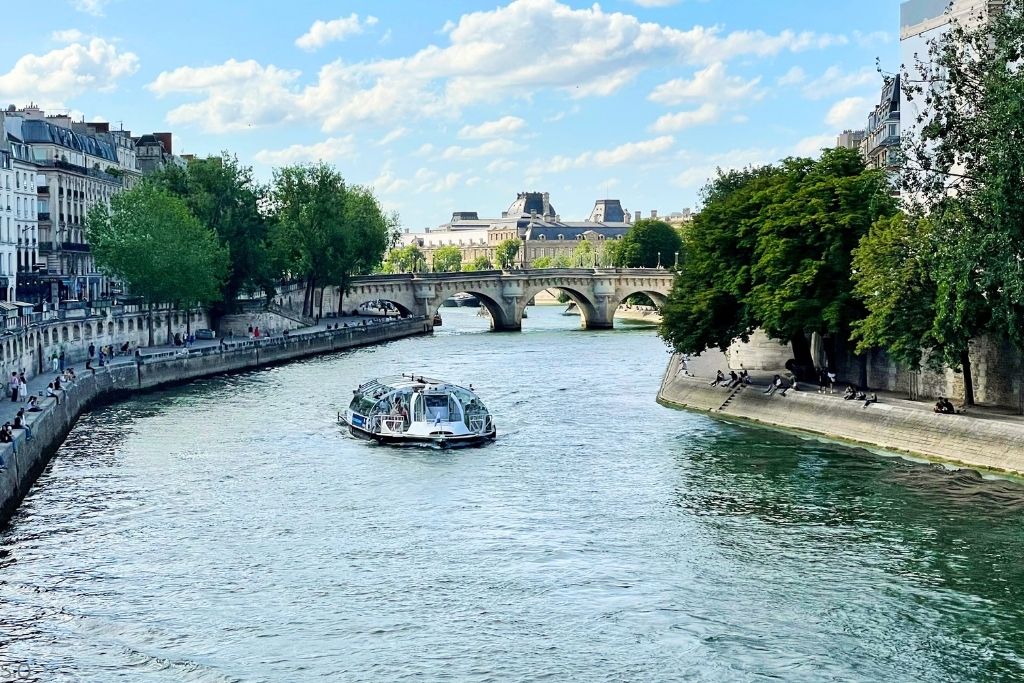
Cross the Seine and step onto Île de la Cité, the oldest part of Paris and the city’s legendary birthplace. In ancient Gallo-Roman times, this island served as a fortress and the focal point of Parisian civilization.

The Notre-Dame Cathedral
Your first architectural marvel is the Notre-Dame Cathedral. Standing as one of the crowning achievements of French Gothic architecture, Notre-Dame enchants visitors with its remarkable rose windows, towers, and expressive stone gargoyles. Construction began in the 12th century, and through the centuries it has evolved and survived moments of turmoil, including the Revolution and, most recently, a devastating fire in 2019.
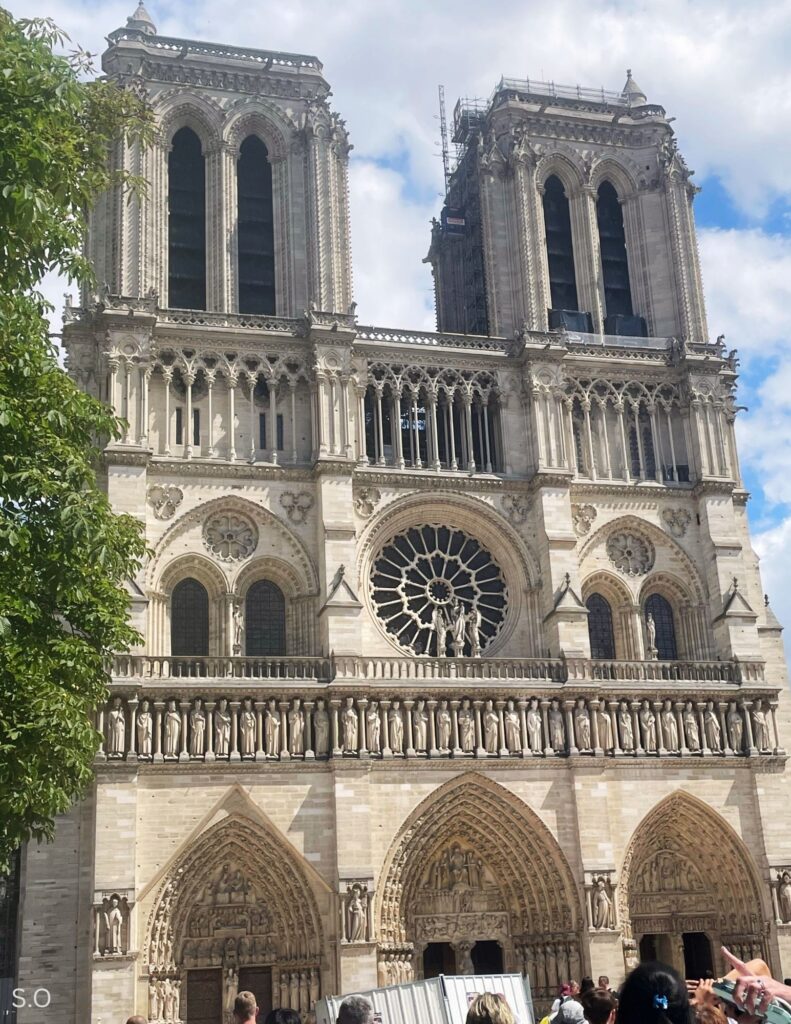
After years of careful restoration, Notre-Dame reopened its doors to the public in December 2024—its resilience a testament to the spirit of Paris itself. Entrance is free, though advance reservations are highly recommended due to long lines. You can make advance reservations via the official Notre Dame website.
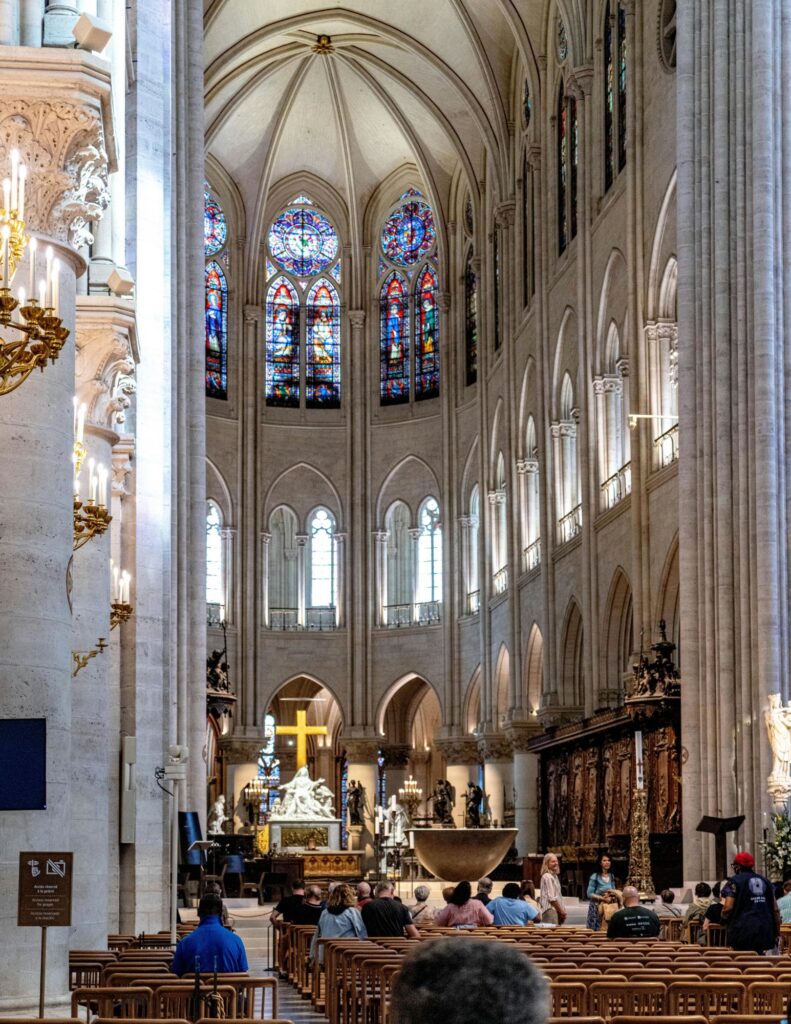
Experience the impressive flying buttresses and catch a glimpse of history at the site where Napoleon was crowned.
Wandering further west on the island, you’ll discover le Palais de Justice (the Justice Palace). Once the official royal residence before the construction of the Louvre Palace, this historic complex is now the epicenter of French justice as the home of the Palais de Justice.
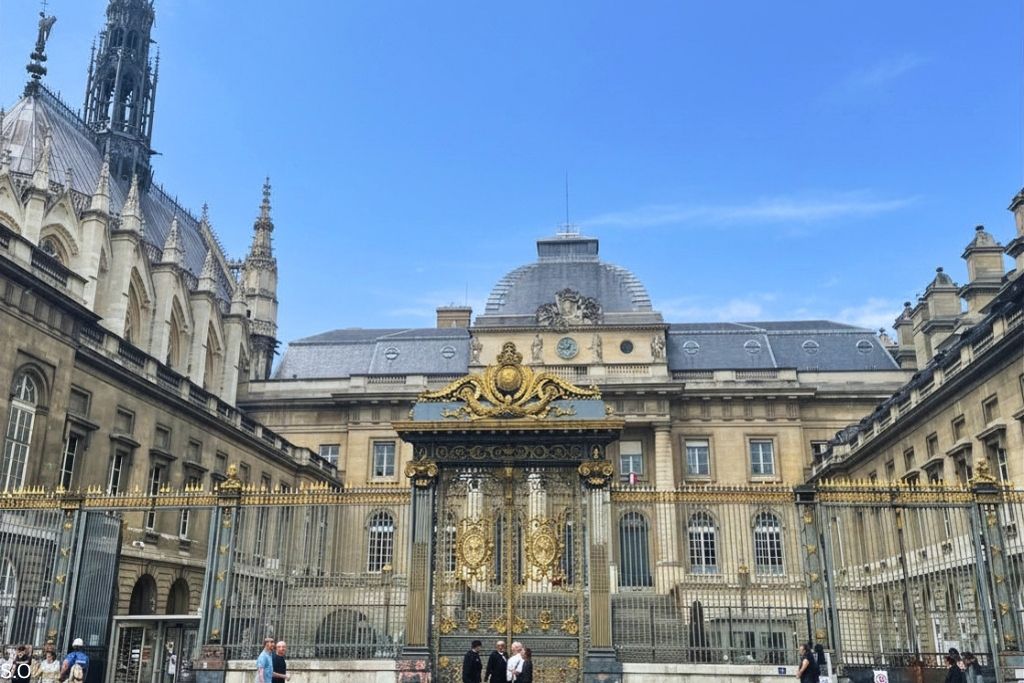
The adjoining Conciergerie—its lower vaults and dungeons—served as both courtroom and prison during the Revolution, infamously holding Marie Antoinette and other political prisoners sentenced by the Revolutionary Tribunal
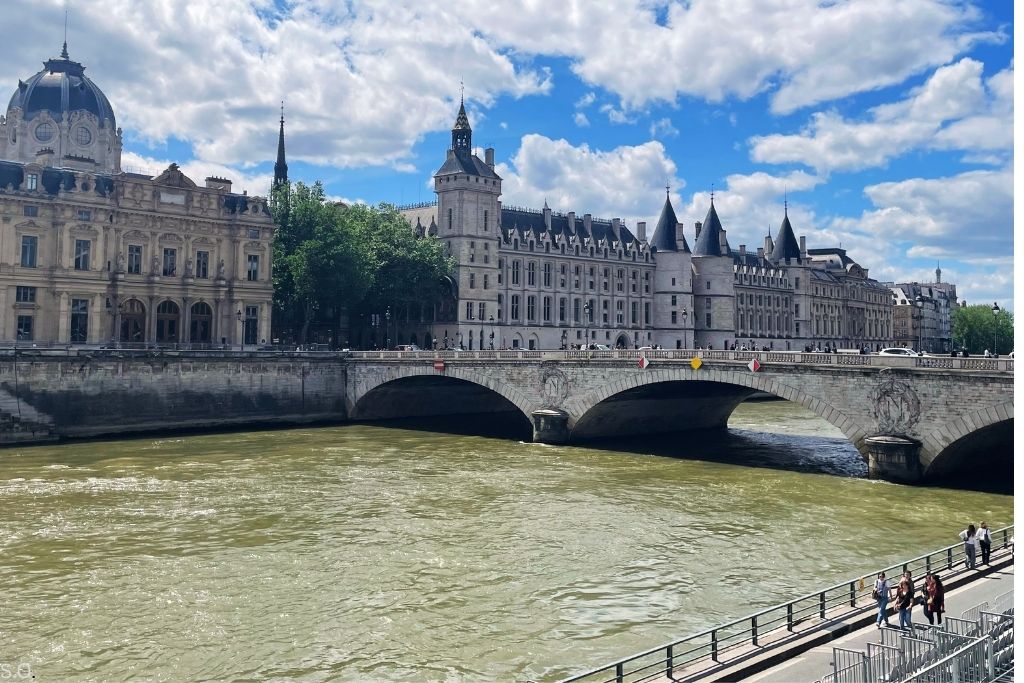
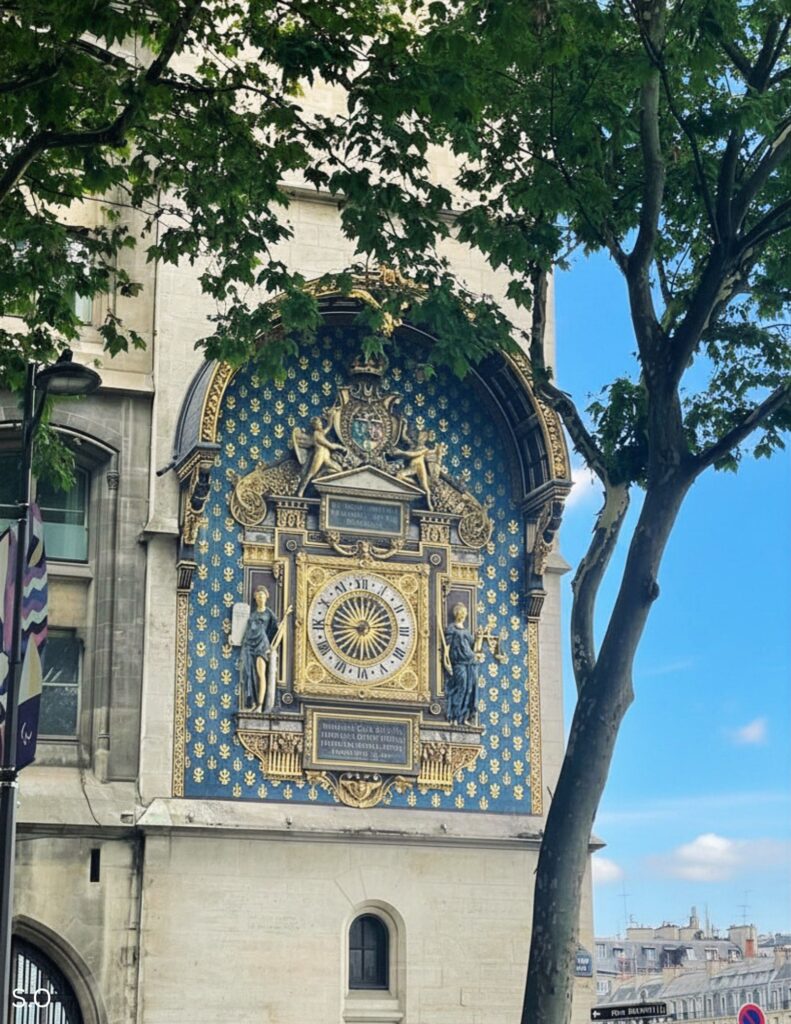
Don’t miss the Conciergerie’s clock, perched since 1371—the oldest public clock in Paris, a marvel that once allowed Parisians to mark the passage of time even before citywide bell towers.
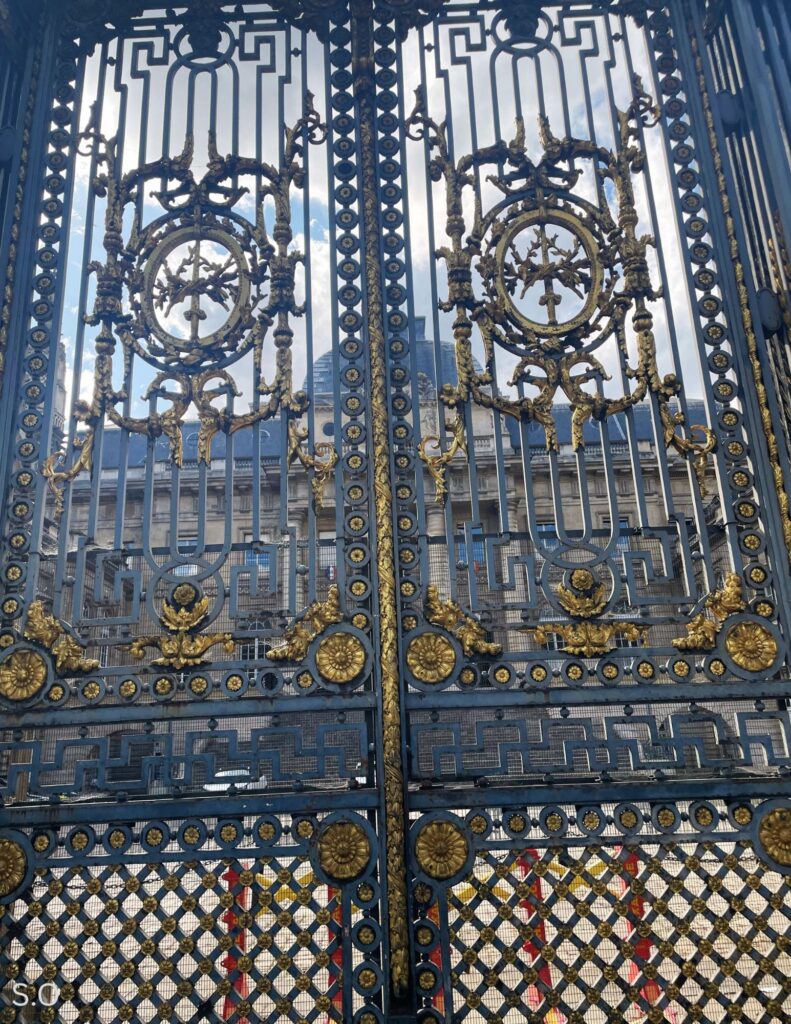
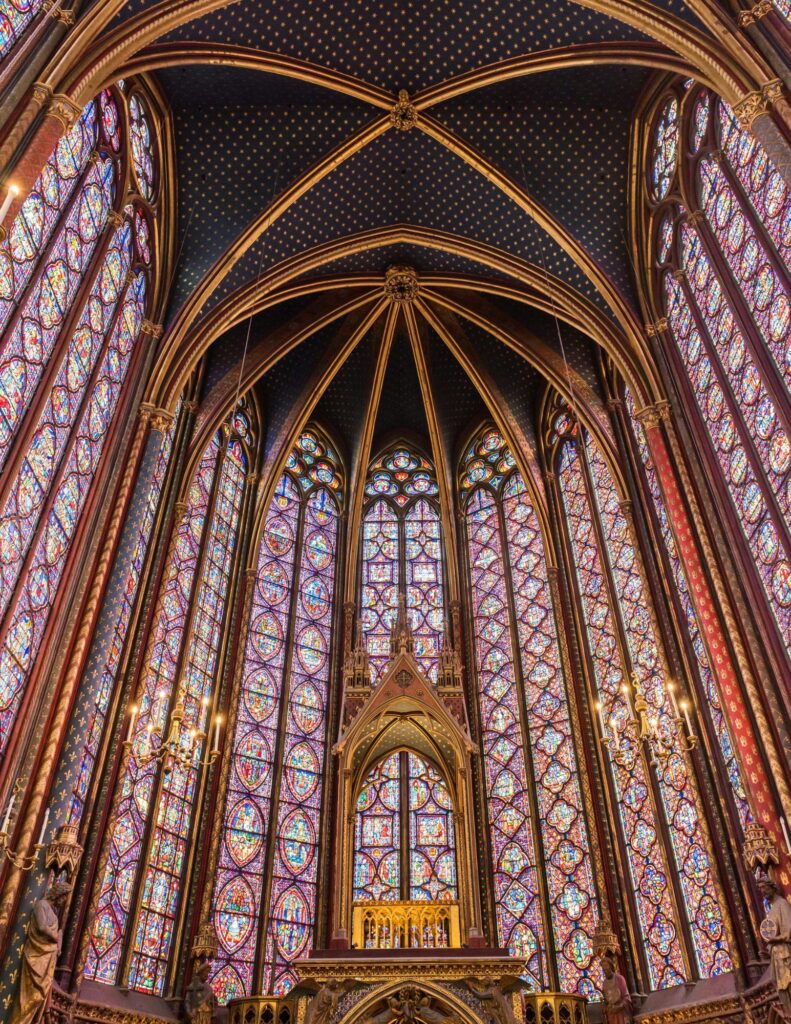
Next door, step into a world of medieval Gothic masterpiece Sainte-Chapelle. This royal chapel, commissioned by King Louis IX, is celebrated for its breathtaking stained-glass windows. Sainte-Chapelle is considered one of the finest examples of Rayonnant Gothic architecture in France—a haven of tranquility and spiritual beauty at the heart of the city’s oldest quarter.
Midday : Saint-Germain-des-Pres and Latin Quartier
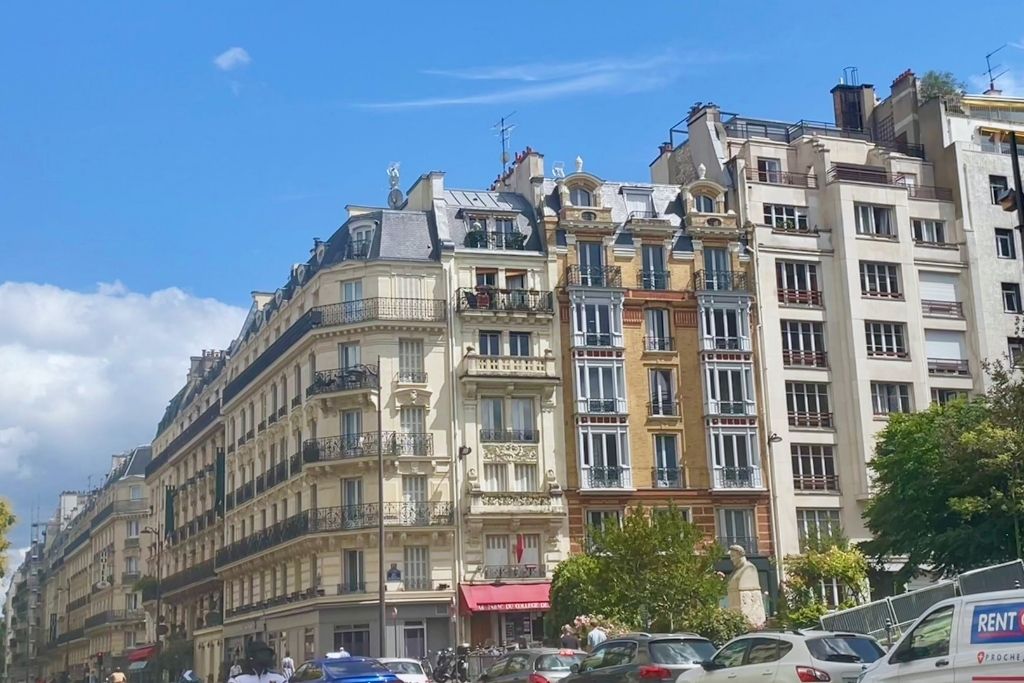
Once you are done exploring the L’ile de la Cite, you get to the Saint-Germain-des-Prés quartier. Historically the gathering place for philosophers, writers, and artists, this Left Bank neighborhood perfectly balances grand historic architecture with bohemian charm. Whether you want to sip espresso where literary legends once wrote, or hunt for rare books in hidden alleys, this district invites you to tailor your journey and discover authentic Parisian culture.
Here are the must-see highlights to include in your walking tour of this vibrant area.
Iconic Meeting Spot-La Fontaine de Saint Michel
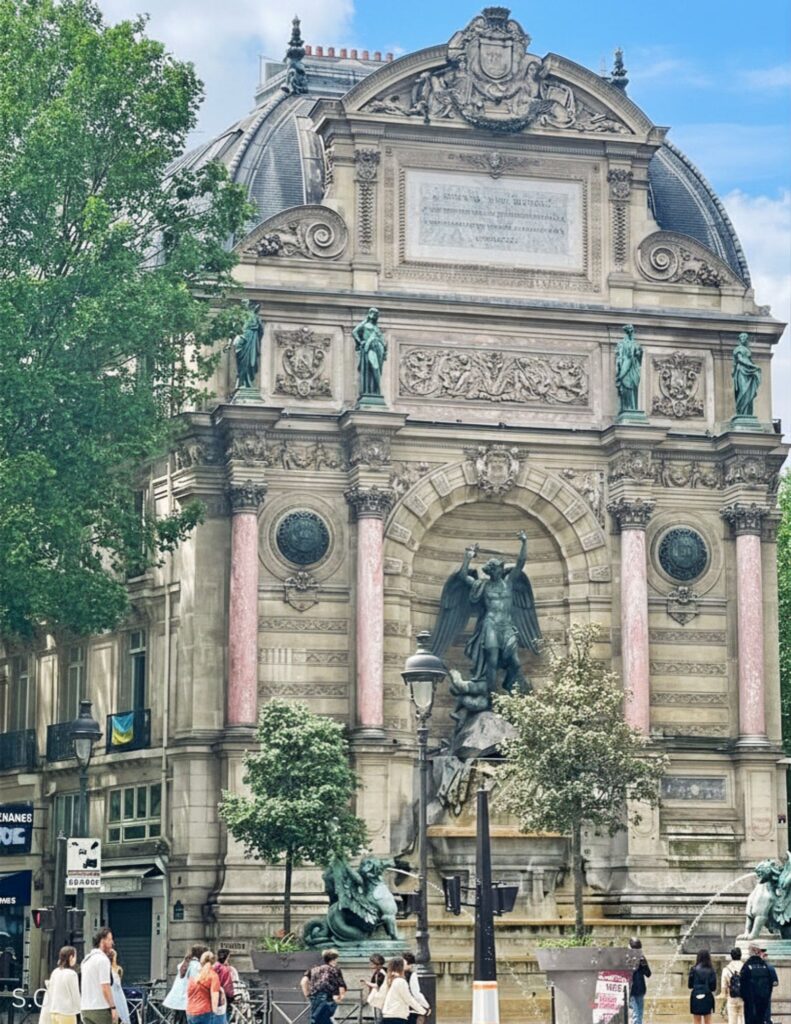
Start your adventure at La Fontaine de St Michel. This monumental bronze and marble fountain depicts the Archangel Michael vanquishing the devil. It serves as a classic rendezvous point for locals and a stunning introduction to the neighborhood’s grand architecture. I still remember my own first rendezvous here during my university years in France, meeting up with a Parisian friend beneath the statue—a memory that forever colors this spot with warmth and anticipation.
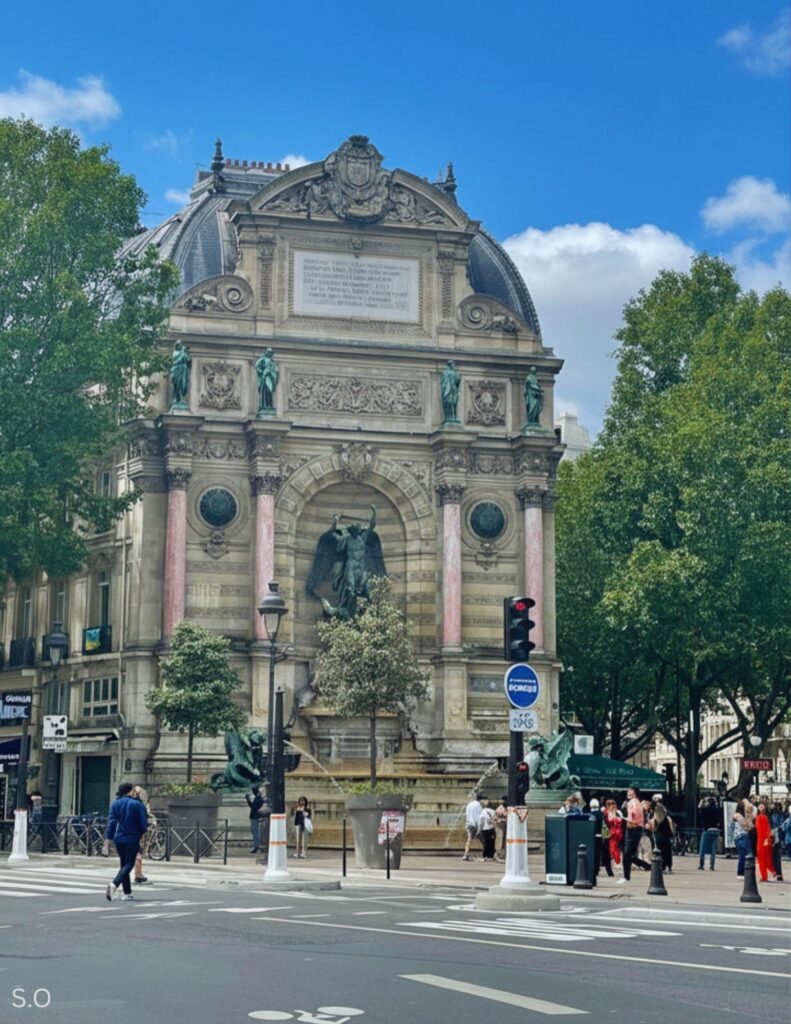
Travelers interested in visiting the St. Michel Fountain should be aware that the site is undergoing renovations throughout 2025. The fountain is scheduled to reopen in summer 2026.
From the fountain, wind your way to the legendary Shakespeare & Company. This iconic English-language bookstore features narrow, floor-to-ceiling bookshelves that feel like a magical step back in time. While exploring the area, keep an eye out for other charming independent bookstores such as The Abbey Bookshop, L’Ecume des Pages, and Maison Fleuret. These bookstores offer everything from classic and contemporary literature to rare finds and poetry collections—perfect for discovering a unique souvenir, indulging in Parisian literary culture, or simply losing yourself in the pages of a great book.
Brunch at Cafe de Flore or Les Deux Magots
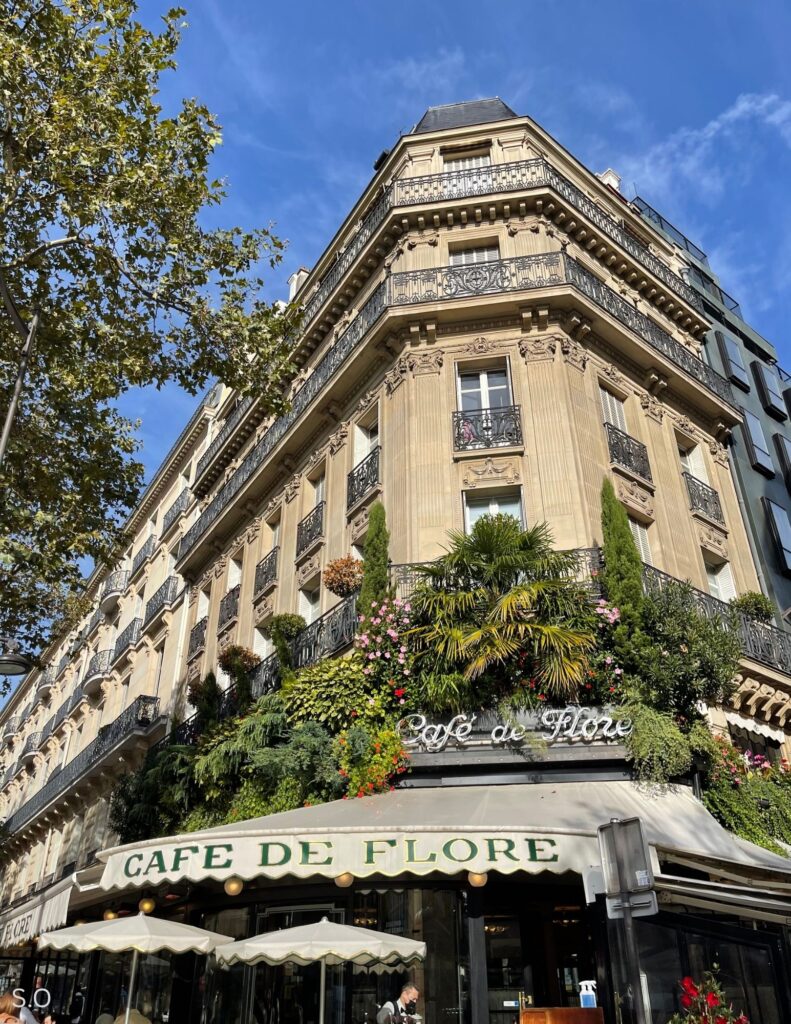
Before you head deeper into the Latin Quarter, treat yourself to a brunch at one of Saint-Germain-des-Prés’ most storied cafés—Café de Flore or Les Deux Magots. These iconic establishments are not just cafés but living museums of intellectual and artistic Paris.
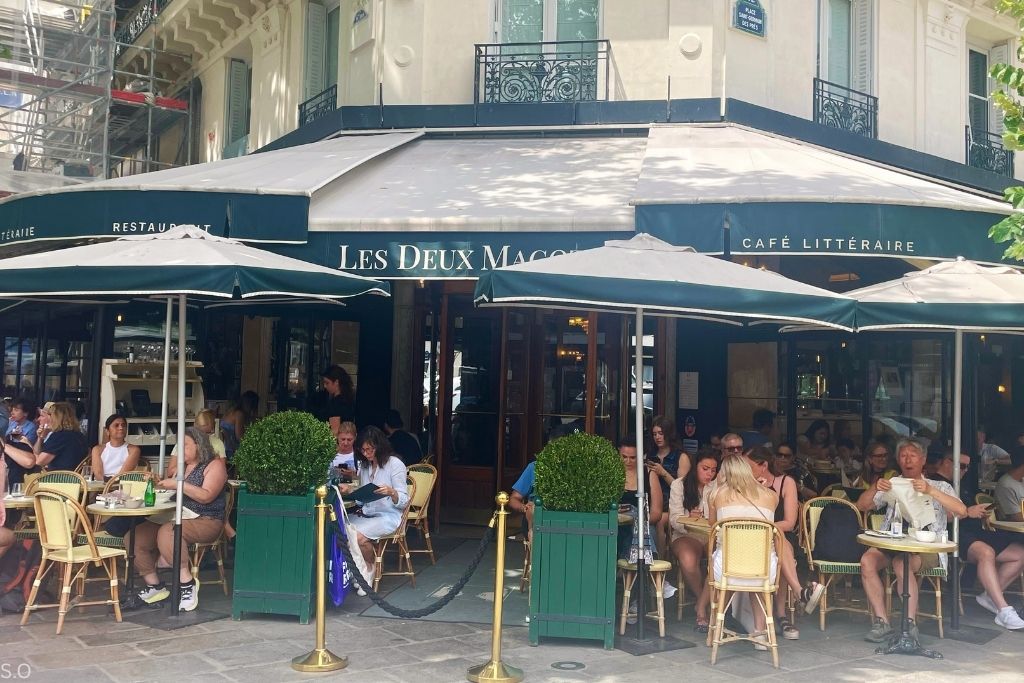
In the first half of the 20th century, Café de Flore and Les Deux Magots welcomed writers like Jean-Paul Sartre and Simone de Beauvoir, who debated philosophy and penned their masterpieces at sidewalk tables. Artists such as Picasso and Hemingway also found inspiration here.
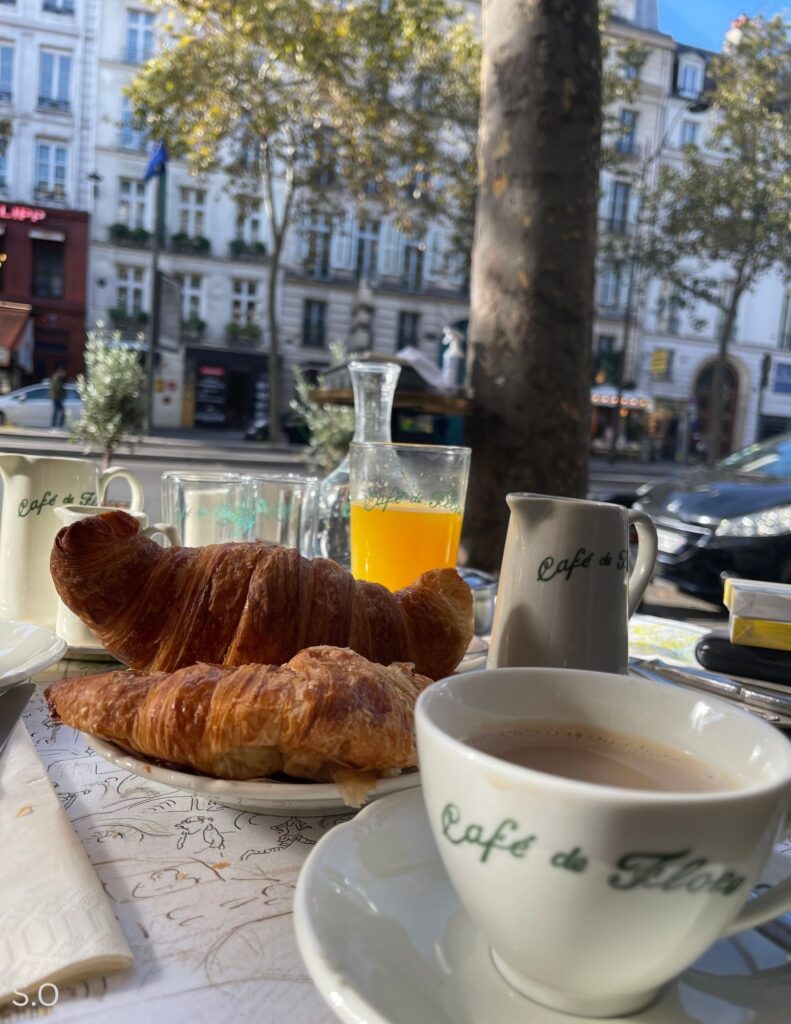
Sip a rich espresso and savor a croissant as you soak up the ambiance that has fueled conversations and creativity for nearly a century. Both cafés remain open until late, making them inviting destinations not only for brunch, but also for an evening meal or a cosmopolitan pause to enjoy drinks.
Afternoon : Visit The Academic Heart of Paris in Latin Quartier
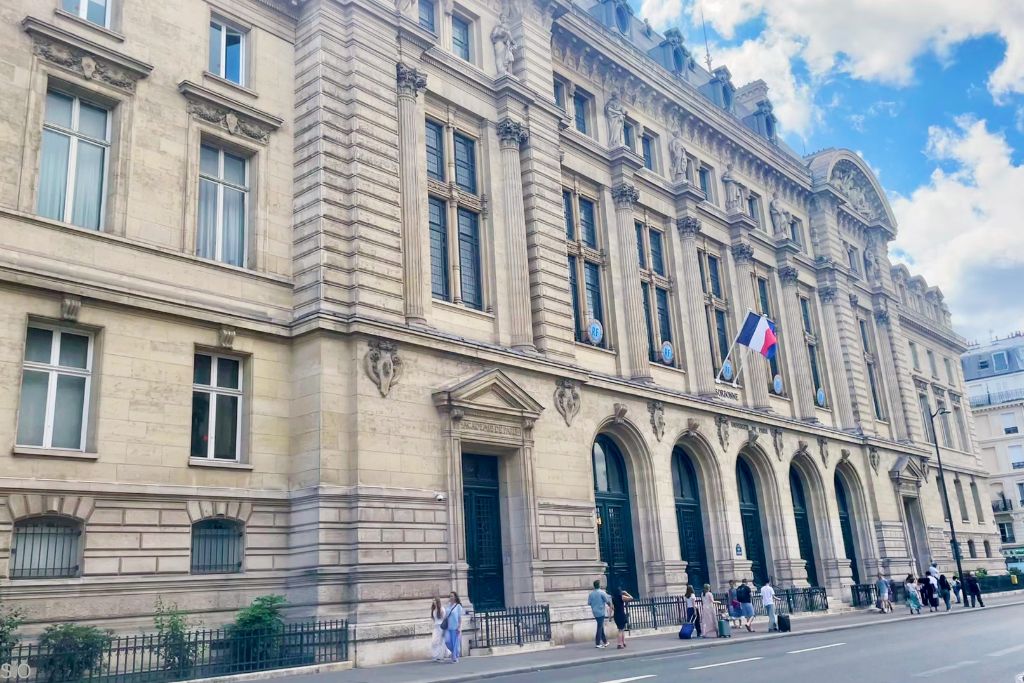
As you walk deeper into the Latin Quarter, you’ll encounter the grand, historic facades of La Sorbonne—one of Europe’s oldest and most prestigious universities. This institution has long stood as a beacon of higher learning, shaping some of France’s greatest minds.
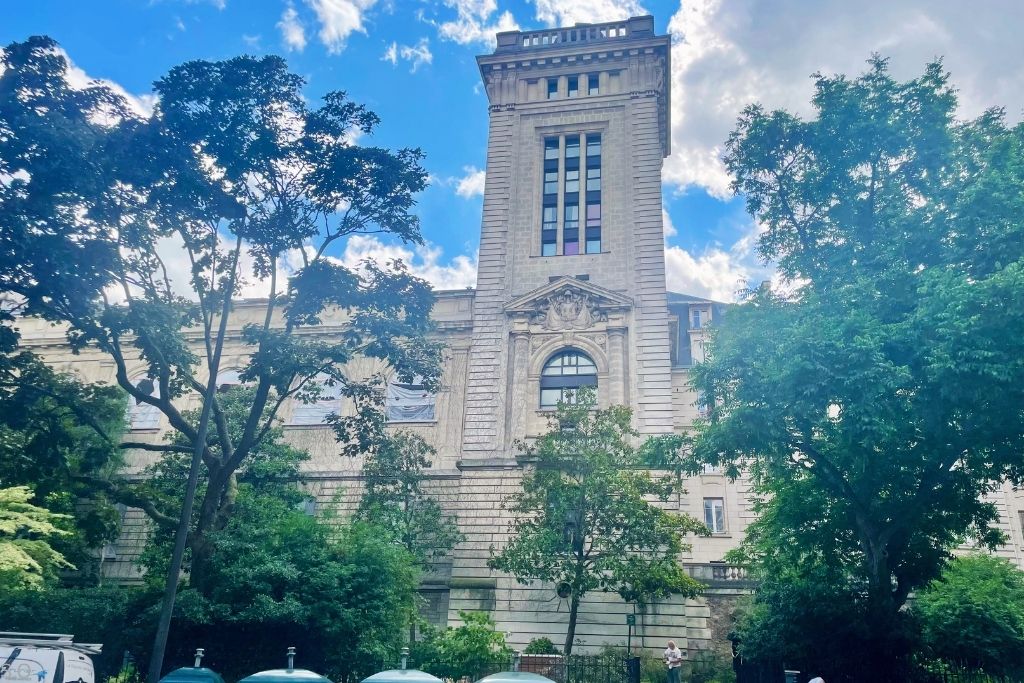
Nearby, L’École Polytechnique, founded in 1794, rises as another pillar of French academic excellence. Renowned for its rigorous engineering and scientific programs, These world-class institutions define the Left Bank’s reputation as the academic center of Paris.
Pantheon
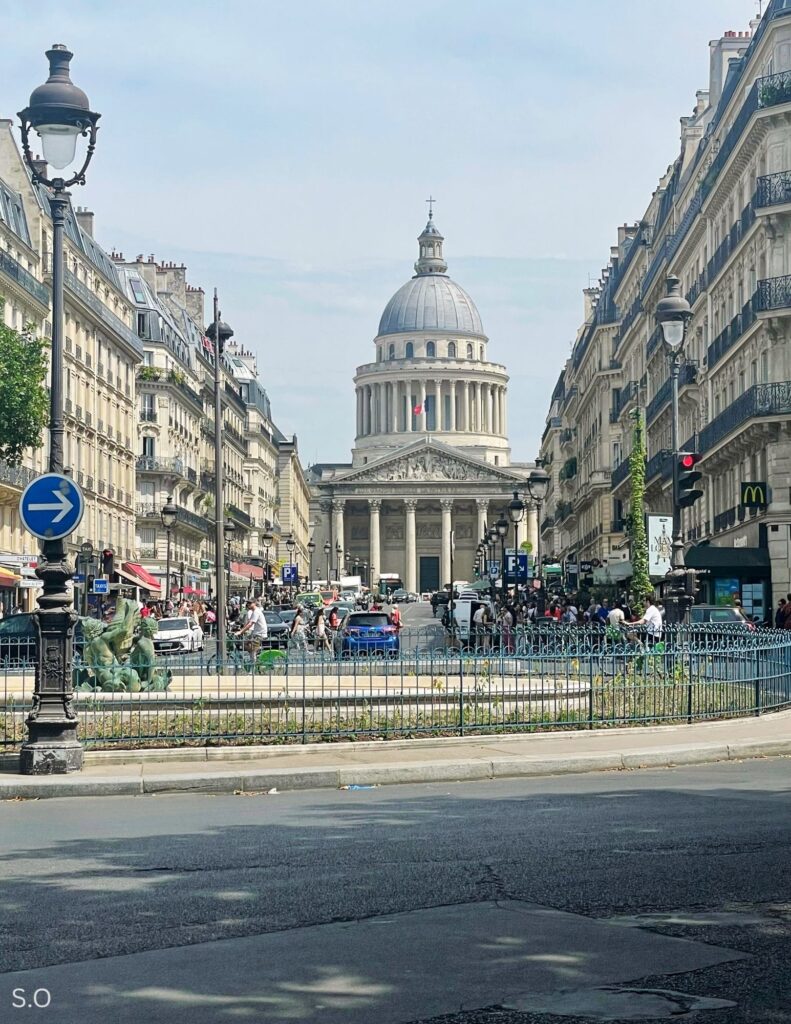
Just a short walk up the hill stands the magnificent Panthéon. Originally built as a church with a breathtaking neoclassical dome, this monumental structure now serves as the final resting place for France’s greatest minds, such as Voltaire, Jean-Jacques Rousseau, and Marie Curie.
Stroll Down Rue Mouffetard
No visit to the Latin Quarter would be complete without strolling down Rue Mouffetard, one of Paris’s oldest and most lively streets. This picturesque market street has maintained its vibrant atmosphere for centuries, inviting locals and travelers alike to savor the flavors and colors of Parisian life.
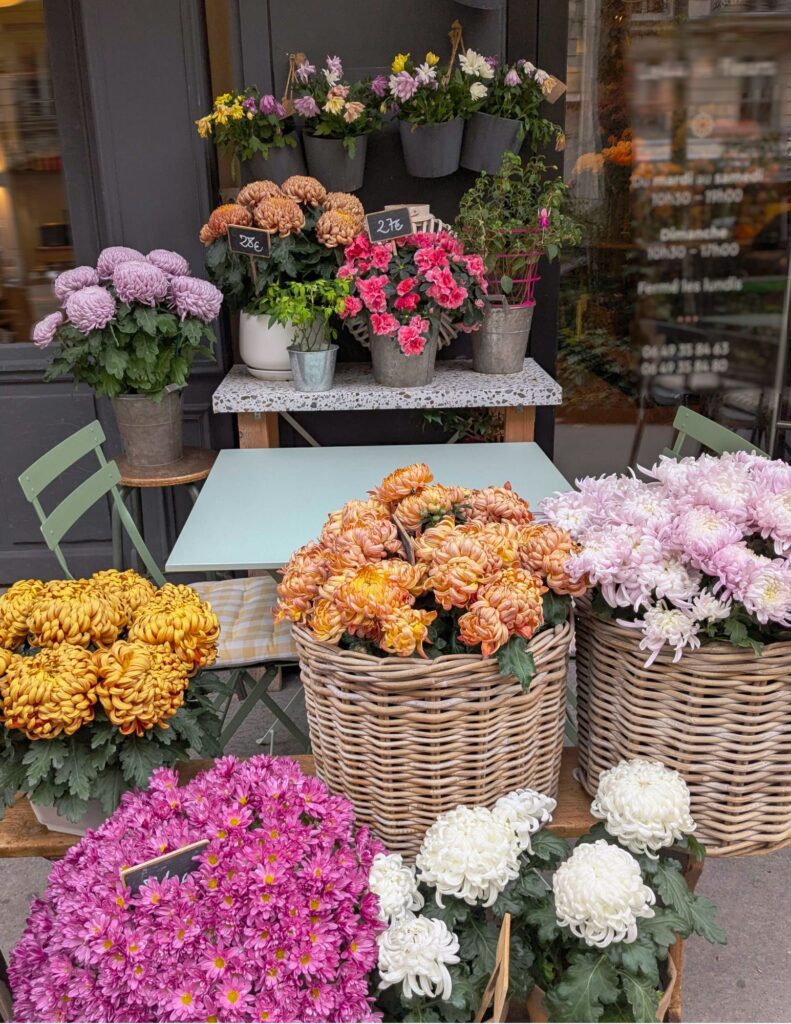
Rue Mouffetard is a culinary wonderland—in the morning with market stands piled high with fruits, vegetables, and flowers, then transforming into a hub of cozy cafés, creperies, and specialty food stores as the day goes on. Beyond food, this historic street offers charming boutiques and vibrant specialty stores, making it the perfect place to pick up unique gifts or indulge in a little shopping spree.
Recommended Dinner Venues
As the day of exploring the treasures of Île de la Cité, Saint-Germain, and the Latin Quarter draws to a close, the enchantment continues into the evening. Consider dining at the historic Le Procope, Paris’s oldest café, founded in 1686. This legendary restaurant has hosted philosophers like Voltaire and Rousseau, and as you dine beneath chandeliers and gilded mirrors, you can savor the flavors of history—classic French dishes served in an atmosphere that still whispers of revolutionary debates and artistic inspiration.
For those seeking a cozier, more local vibe, Les Baux de Paris offers a warm, inviting bistro ambiance. Nestled on a quiet street, this beloved spot is known for its traditional cuisine and relaxed hospitality.
Day 3 – Artistic Treasures and Montmartre’s Charm
Experience the colorful spirit of Montmartre on Day 3, where Paris’s artistic legacy and vibrant charm come alive. From world-class art at the Musée d’Orsay to the hilltop beauty of Sacré-Cœur, prepare for a day filled with creativity, history, and unforgettable neighborhoods.
Morning: Impressionist Masterpieces at Musée d’Orsay
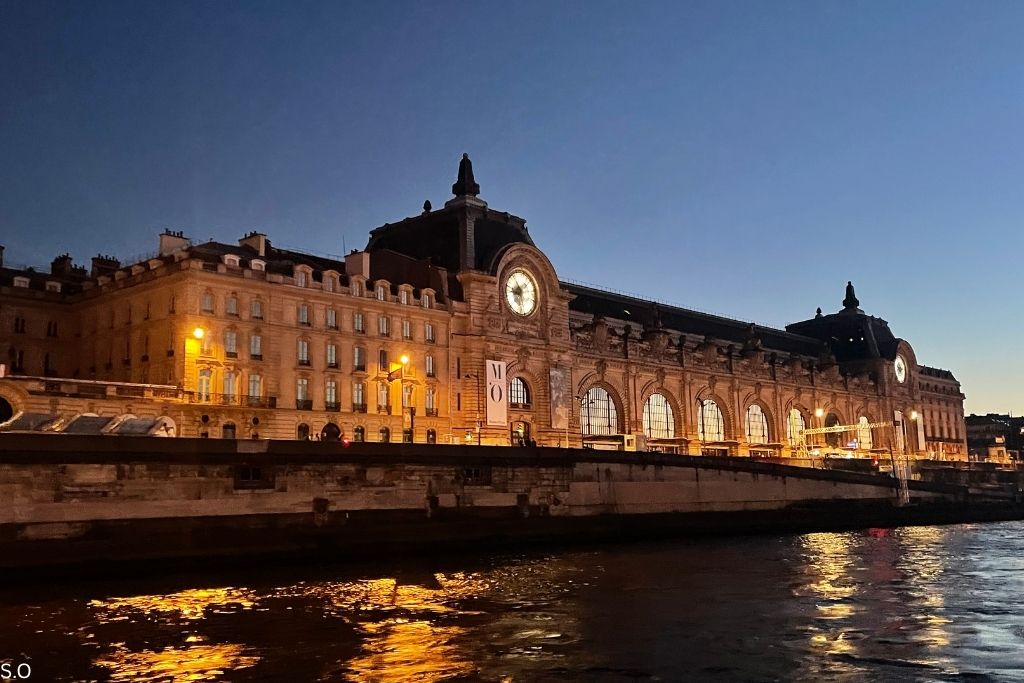
Begin your third day in Paris at the spectacular Musée d’Orsay. Situated on the Left Bank of the Seine, this museum is a masterpiece. Originally built as a grand Beaux-Arts railway station for the 1900 World’s Fair, the building now houses the largest collection of Impressionist and post-Impressionist masterpieces in the world.
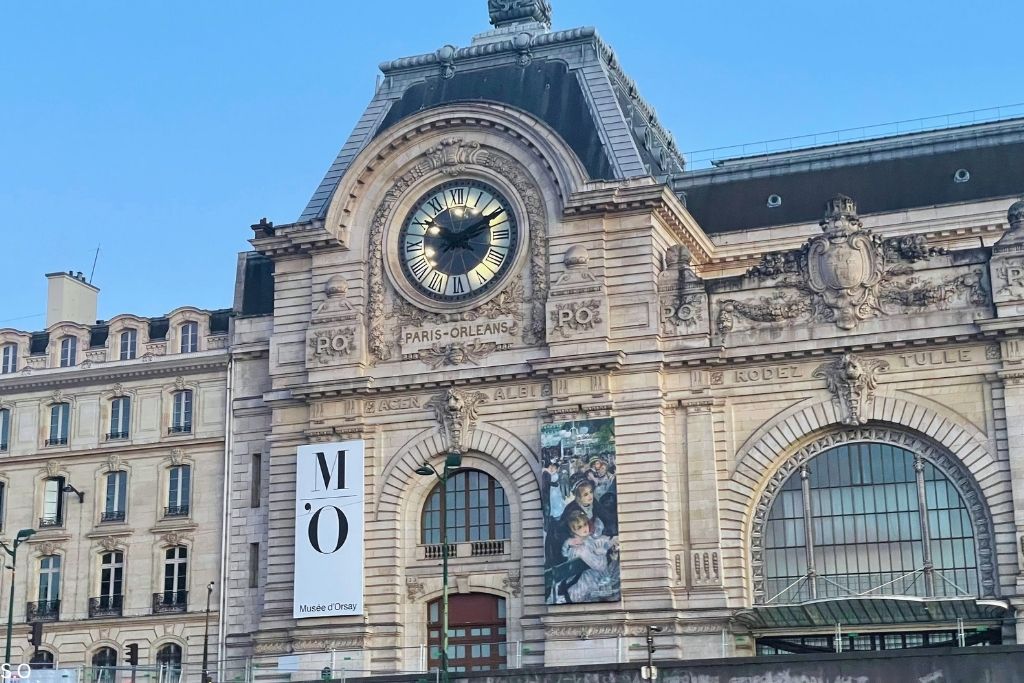
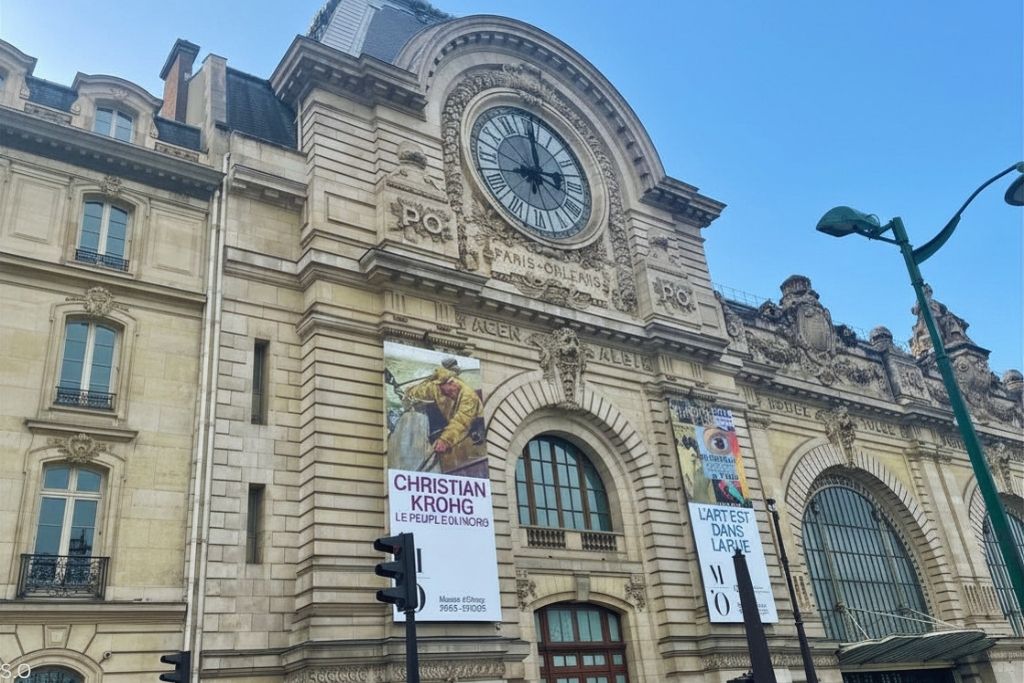
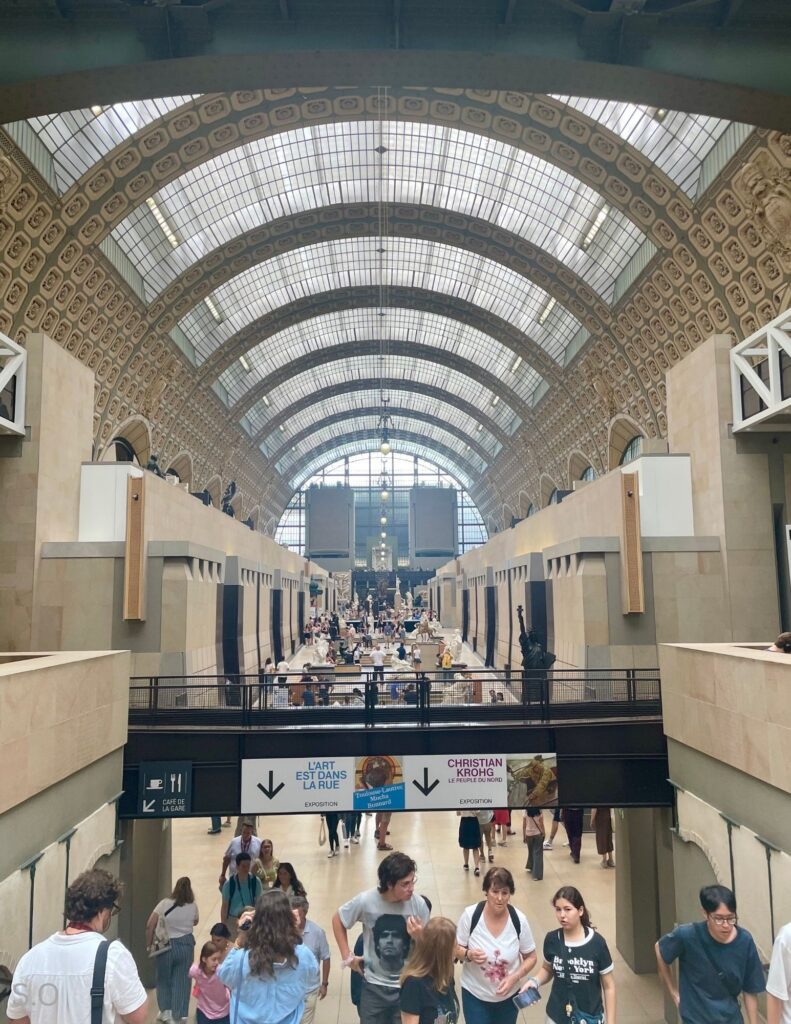
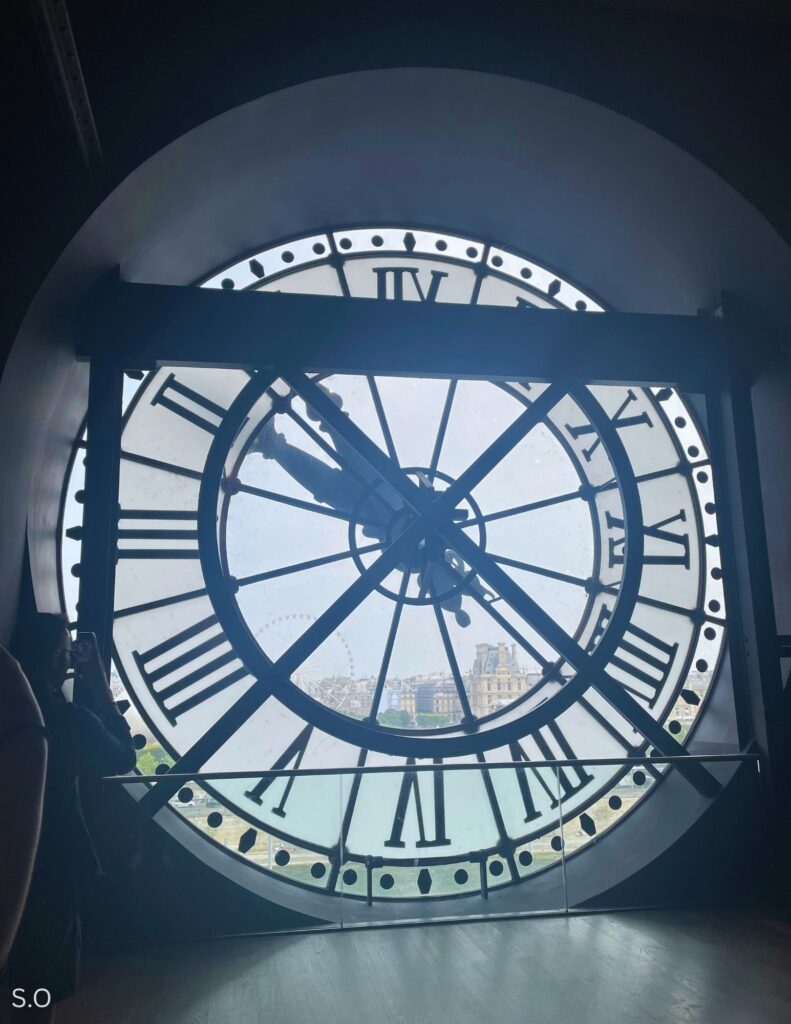
From the radiant water lilies of Claude Monet to vibrant scenes by Vincent Van Gogh and delicate portraits by Degas, each gallery invites you to slow down and immerse yourself in the brushstrokes and stories behind each piece. The massive original station clocks still overlook the main hall, creating a breathtaking atmosphere for art lovers.
How long do you need to spend at Musee D’Orsay?
Whether you choose to focus on your favorite artists, such as Claude Monet, Vincent Van Gogh, Paul Cezanne, or Auguste Renoir or wander through the museum’s airy spaces, setting aside at least two-three hours will allow you to fully enjoy the exceptional exhibitions at Orsay.
To ensure a smooth experience and skip long entry lines, purchase your tickets in advance.
Recommended Lunch Spots Near Musee D’Orsay
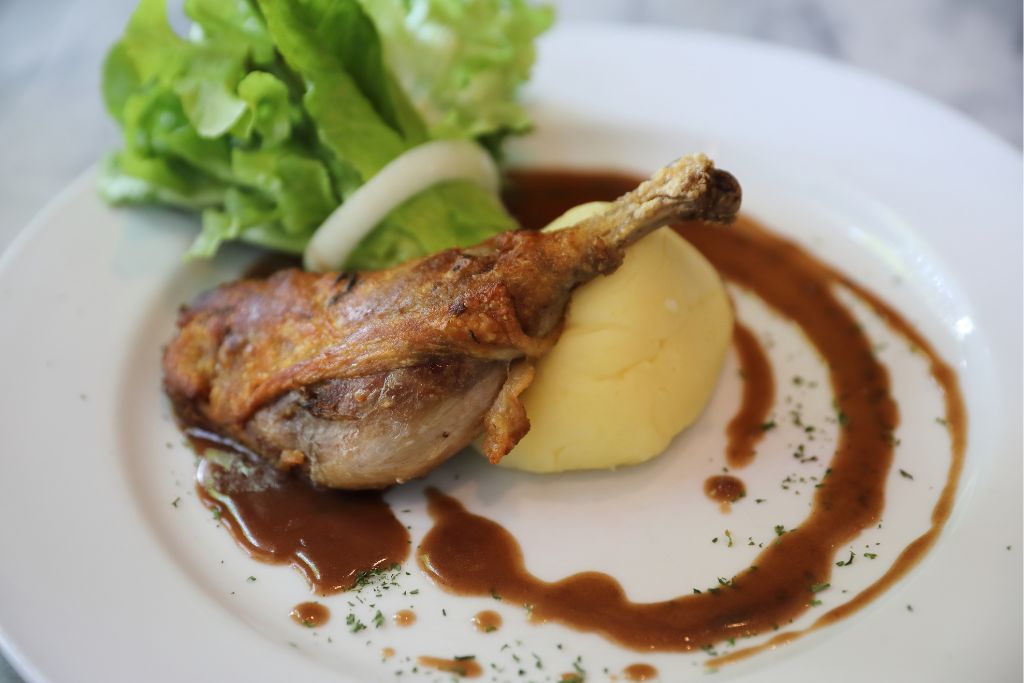
After enjoying the art collections, you have the option of enjoying lunch right inside the Musée d’Orsay’s elegant restaurant, where gilded ceilings and chandeliers set the scene for an unforgettable meal.
If you prefer to venture out, several fantastic French restaurants are just steps away, each offering their own unique specialties:
- Café des Ministères: Renowned for its hearty chou farci (stuffed cabbage) and traditional cassoulet—a true taste of rustic French cuisine.
- La Calèche: An inviting spot where you can savor delicate sashimi, carpaccio, and the bold flavors of beef tartare, blending French flair with global influences.
Afternoon – The Bohemian Vibe of Montmartre
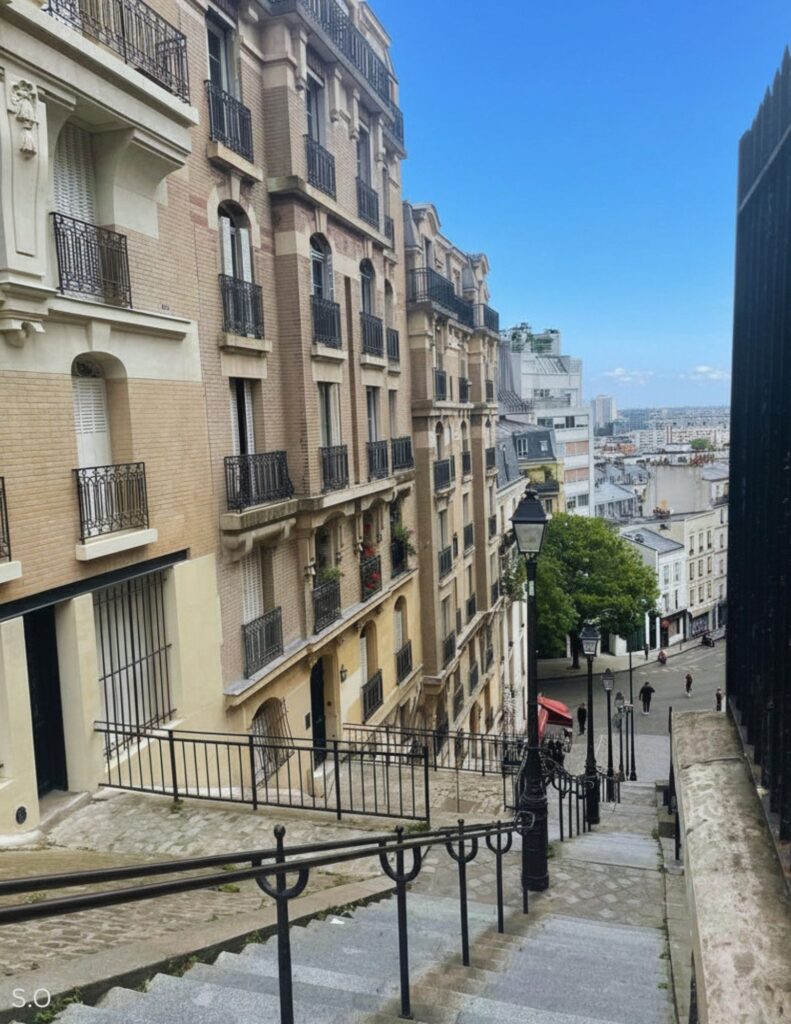
After lunch, head north to the 18th arrondissement to explore Montmartre. This hilltop village feels entirely different from the rest of Paris. It boasts steep cobblestone streets, hidden gardens, and an unmatched artistic legacy.
Sacré-Cœur Basilica
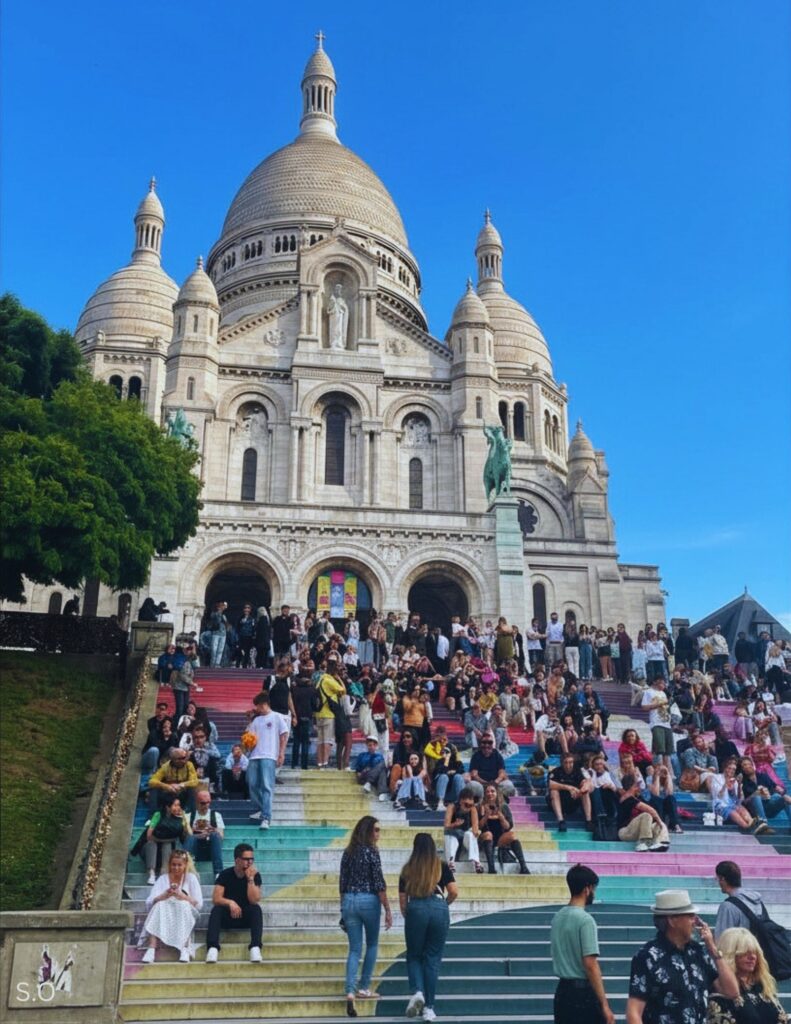
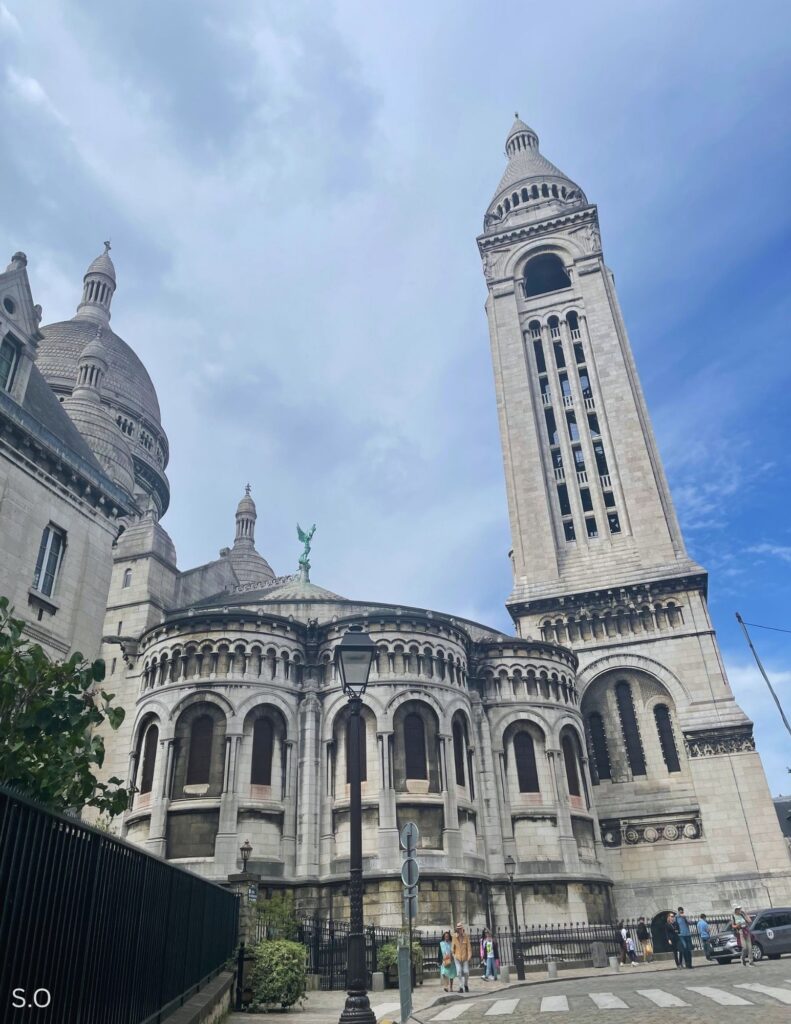
Standing at the highest point in Paris, Sacré-Cœur is the city’s second most visited destination after the Eiffel Tower. Unlike the medieval Notre Dame, this dazzling basilica was built much later—the first stone was laid in 1875, and the final touches were completed in 1914. Its striking Romano Byzantine architecture, marked by grand white domes and ornate mosaics, sets it apart from the city’s older Gothic landmarks.
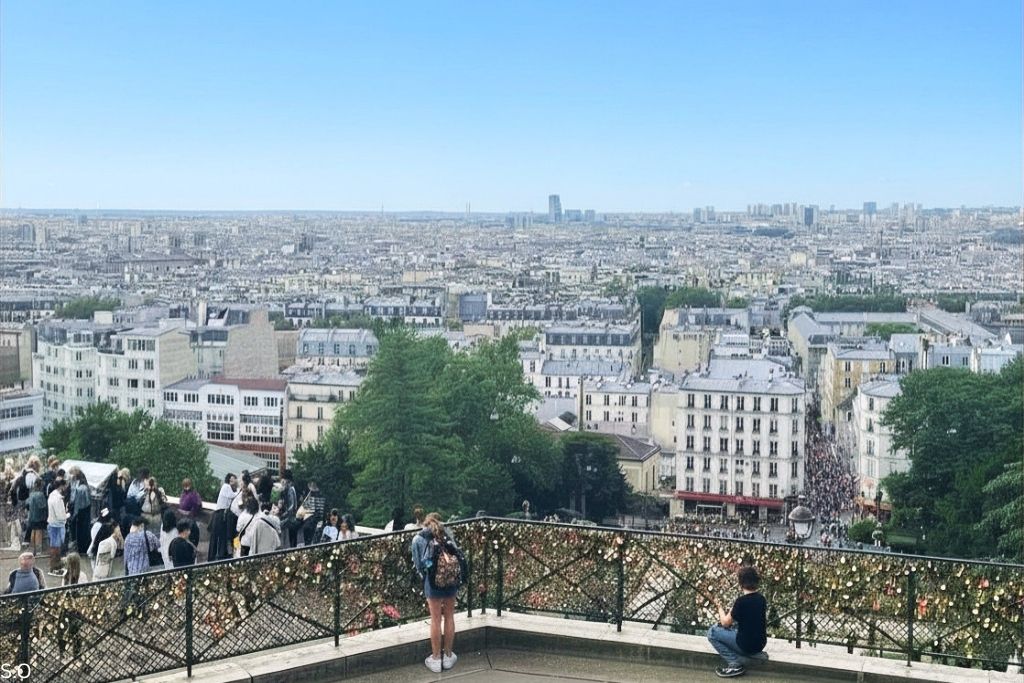
Entrance to the basilica is free but note that a ticket is required if you wish to climb to the top of the dome for breathtaking panoramic views of Paris.
Place du Tertre
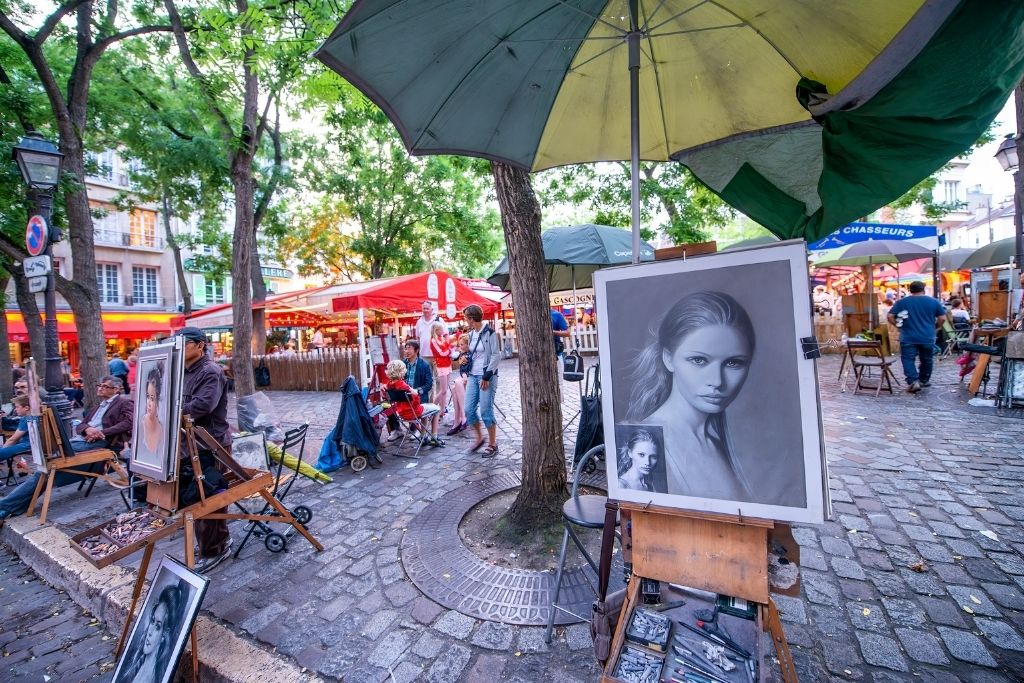
Just a short walk from the basilica, you will find Place du Tertre filled with local painters and portrait sketchers. This lively spot captures the bohemian soul of Montmartre, where legendary artists like Pablo Picasso and Henri Matisse once set up their easels.
Le Mur des Je T’aime (Wall of Love)
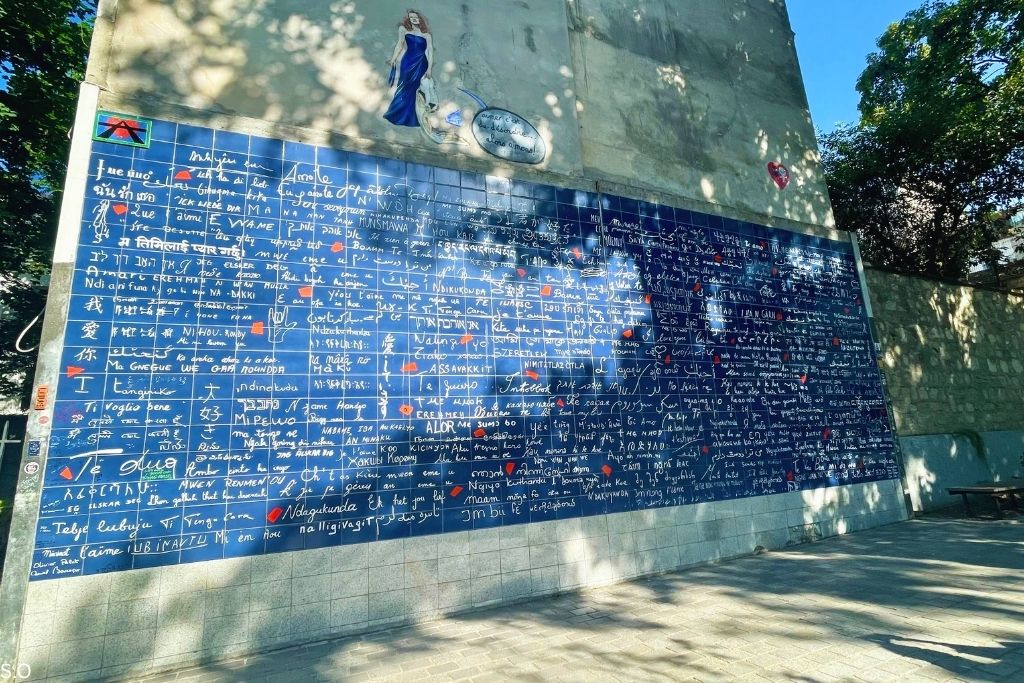
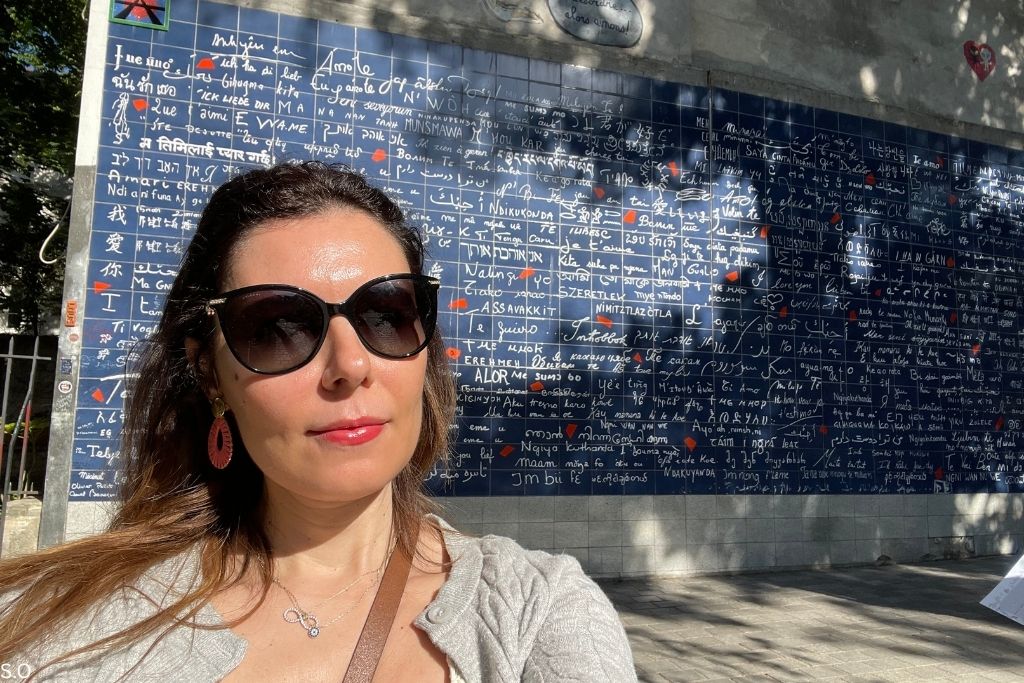
Tucked away in the Jehan Rictus garden square, this beautiful mural features the phrase “I love you” written 311 times in 250 different languages. It is a wonderful spot to pause and appreciate the romantic spirit of Paris. The Jehan Rictus garden is open daily from 8 am to 6 pm in winter, with extended hours until 8:30 pm during the summer months.
Moulin de la Galette
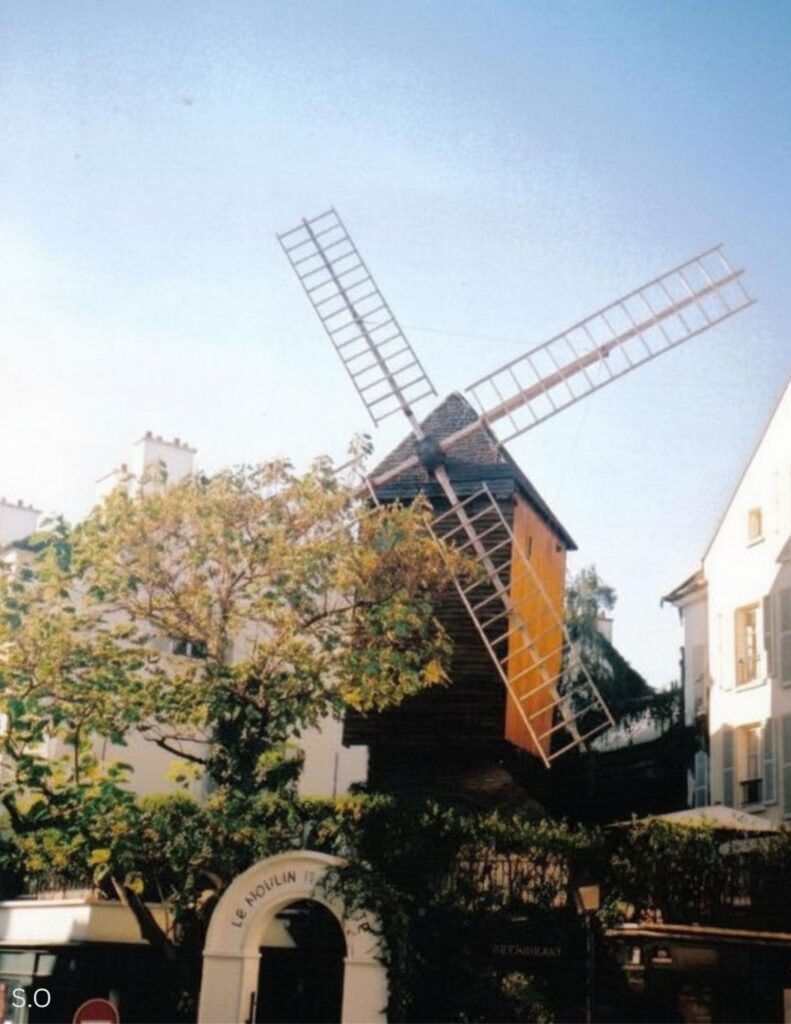
Wander past this historic wooden windmill, a relic of Montmartre’s rural past. It became famous worldwide through Auguste Renoir’s vibrant painting of a lively Sunday afternoon dance.
Vigne du Clos Montmartre
Discover a genuine hidden gem right in the city center. This secret working vineyard produces a limited number of wine bottles each year, celebrating Montmartre’s agricultural roots and authentic community spirit.

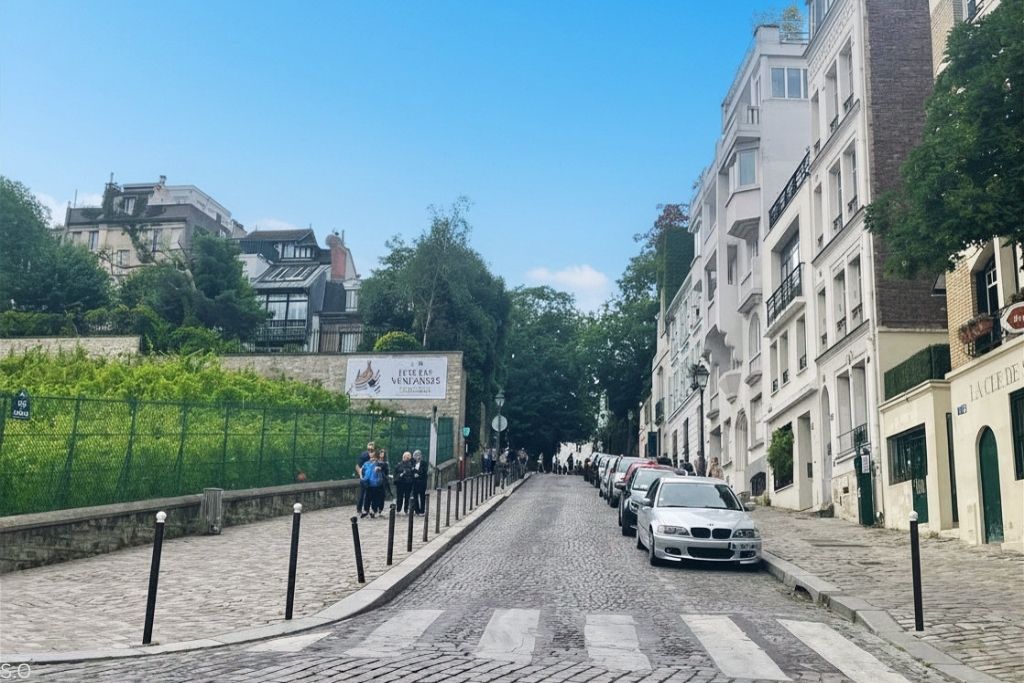
Le Chat Noir
Learn about the birthplace of the modern cabaret. While the original 19th-century entertainment venue is gone, the legendary black cat poster and the bohemian history of Le Chat Noir still deeply influence the neighborhood’s artistic culture.
Late Afternoon: The Vibrant Streets of Pigalle
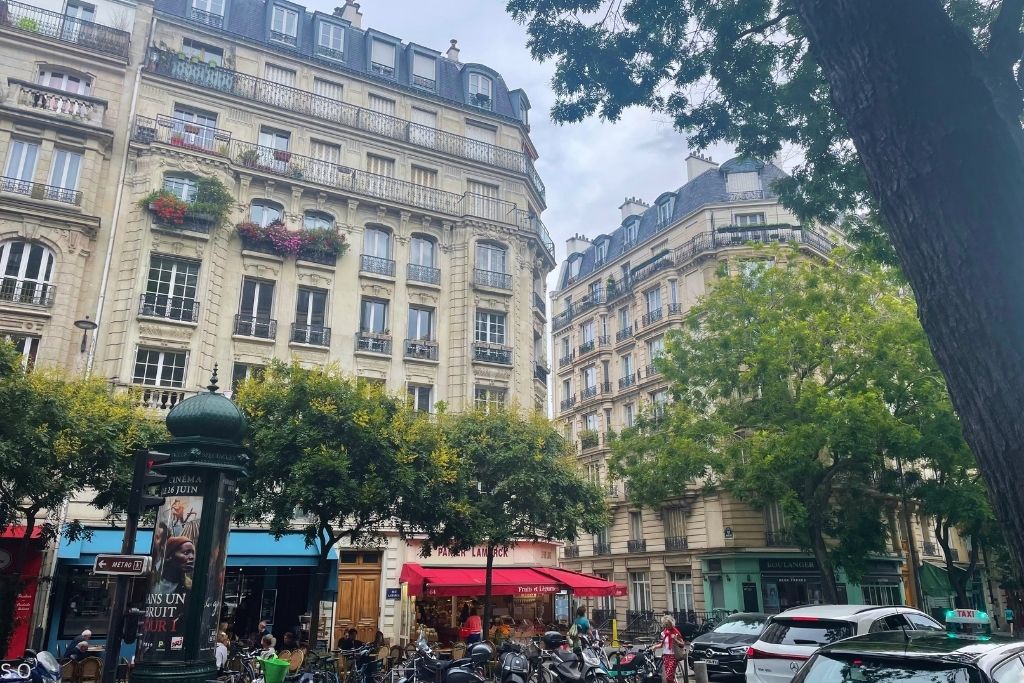
Walk downhill from Montmartre into the lively district of Pigalle. Once known primarily as the city’s neon-lit red-light district, Pigalle has transformed into one of the trendiest neighborhoods in Paris. Today, it offers a vibrant mix of popular cocktail bars, boutique shops, and cool cafes, all while keeping a hint of its edgy, historic charm.
Evening: Moulin Rouge and Local Dining
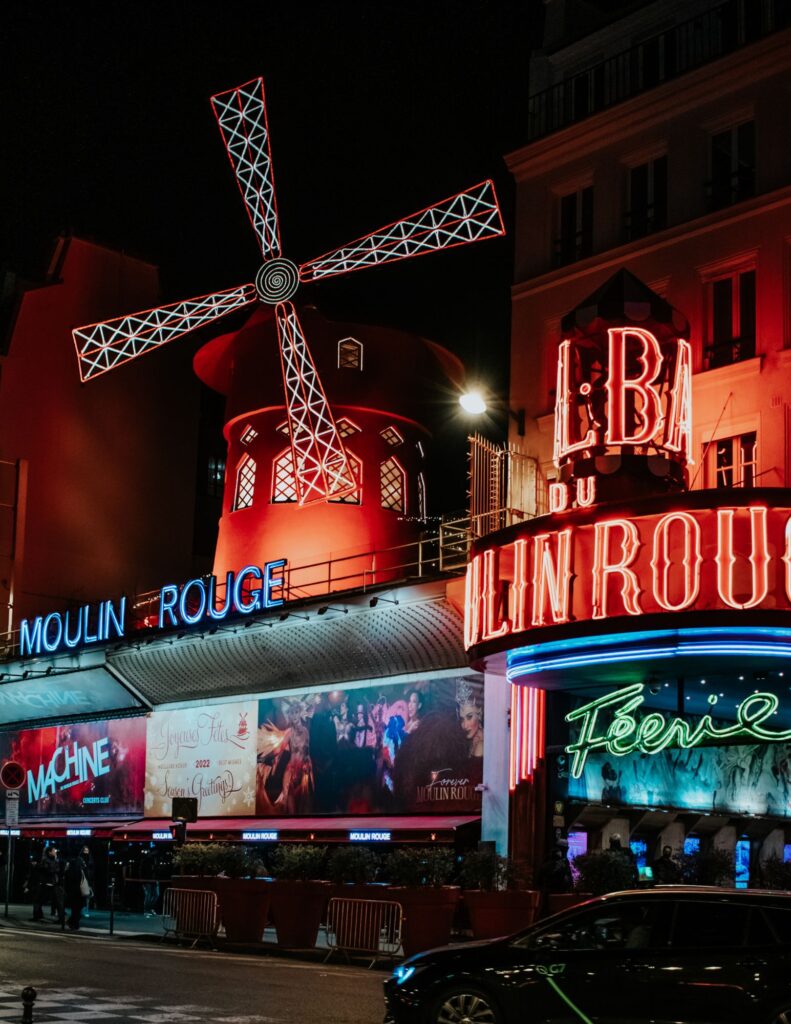
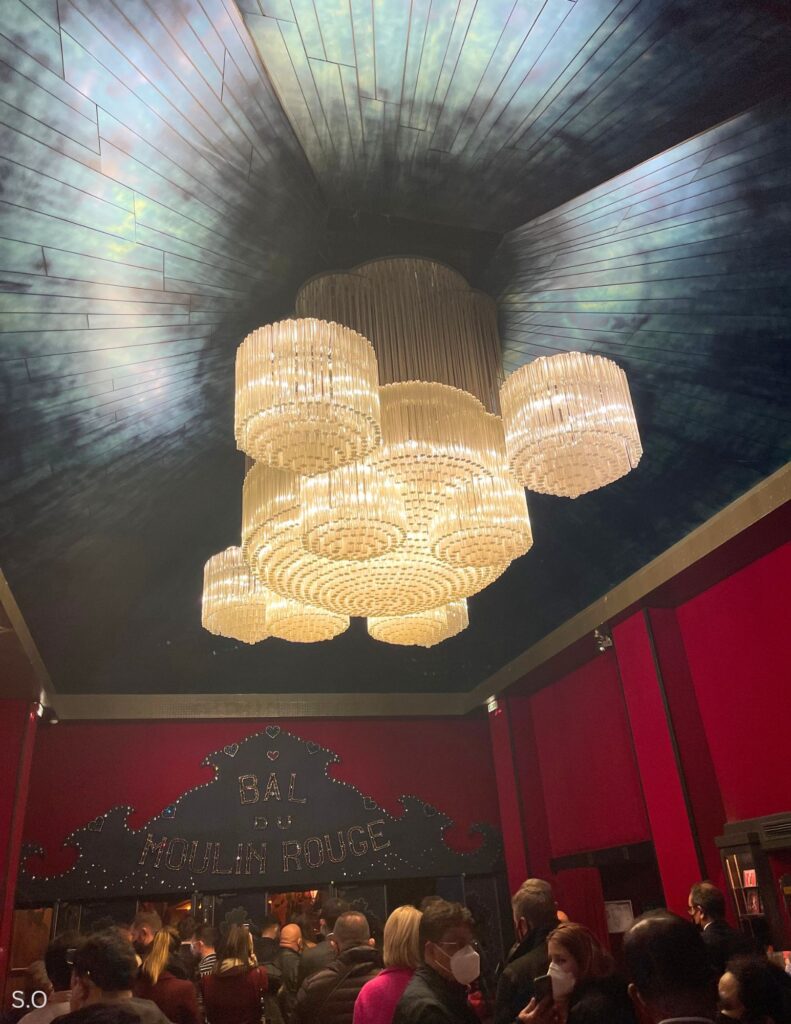
Complete your day with a dazzling evening in Pigalle. Book a ticket for a spectacular cabaret show at the world-famous Moulin Rouge. Instantly recognizable by the giant red windmill on its roof, this historic venue has entertained audiences since 1889. You can expect a glamorous night filled with incredible costumes, talented dancers, and the iconic French Cancan dance.
Recommended Restaurants
After visiting Montmartre and Pigalle, end your day with dinner at Bouillon Pigalle in a grand Belle Époque setting for affordable French classics or Pink Mamma for Italian cuisine in a lively, stylish setting. Both spots offer a relaxed atmosphere to enjoy Paris after a day of sightseeing.
Day 4: Modern Icons & Elegant Avenues
On your final day in Paris, explore the city’s most iconic and elegant landmarks. Begin at the opulent Palais Garnier, then continue to the historic Bibliothèque Nationale de France. Take in the timeless beauty of the Eiffel Tower before strolling along the Champs-Élysées and ending your journey with panoramic views from the Arc de Triomphe.
Morning: A Spectacular Tour of Palais Garnier
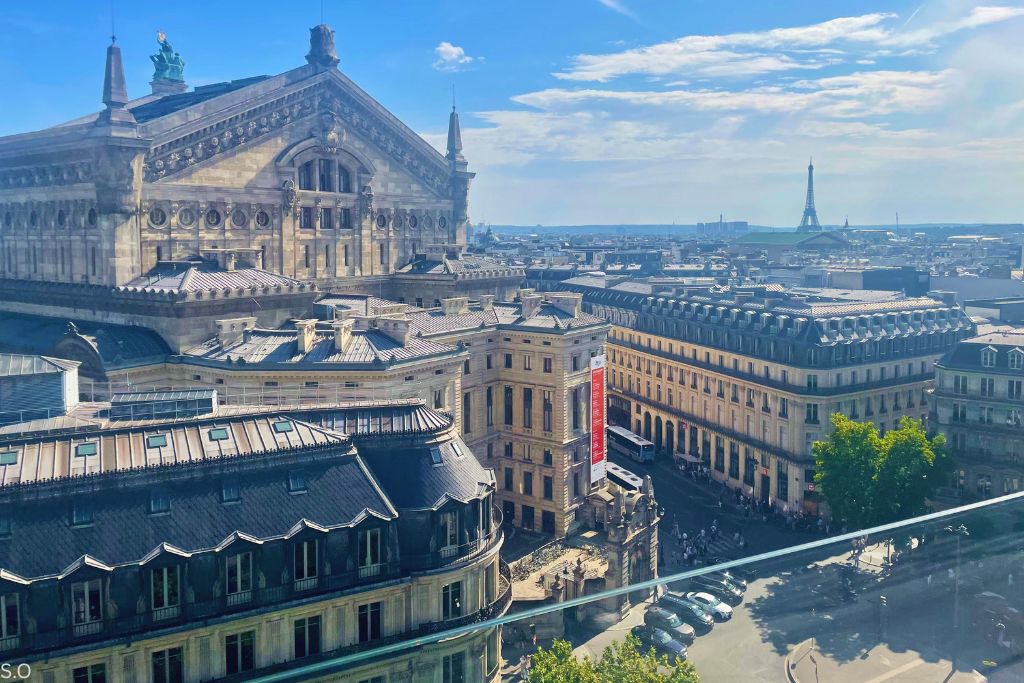
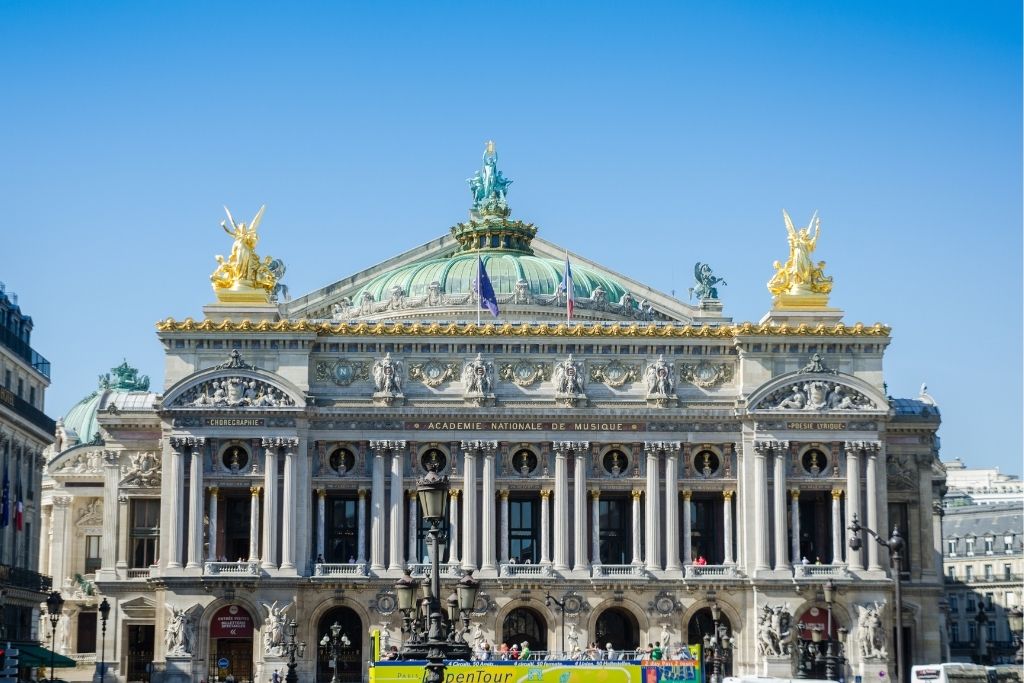
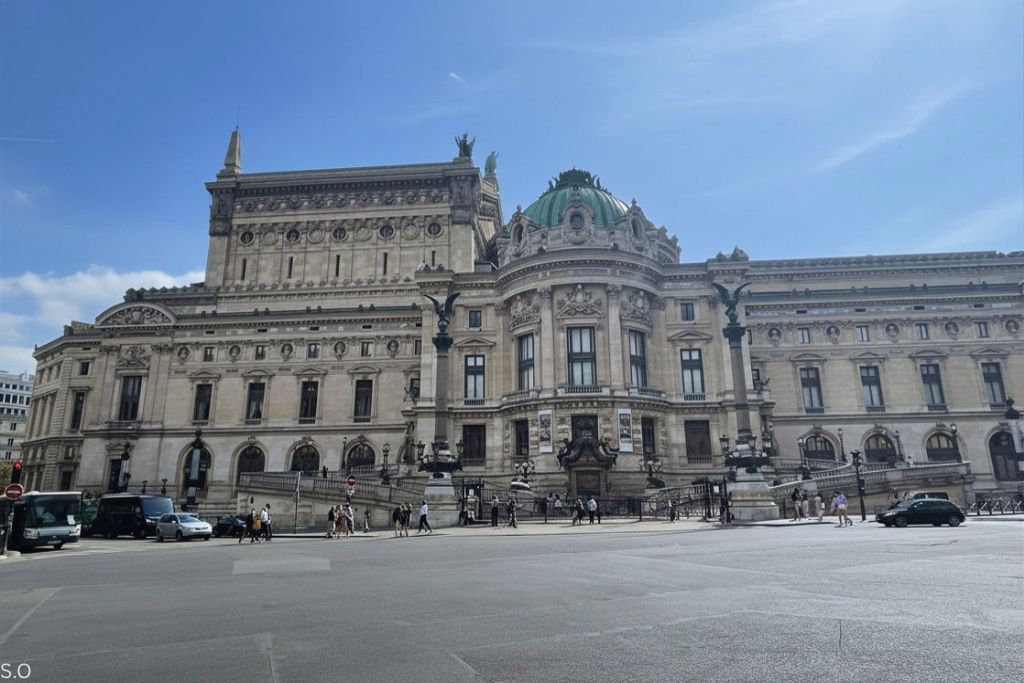
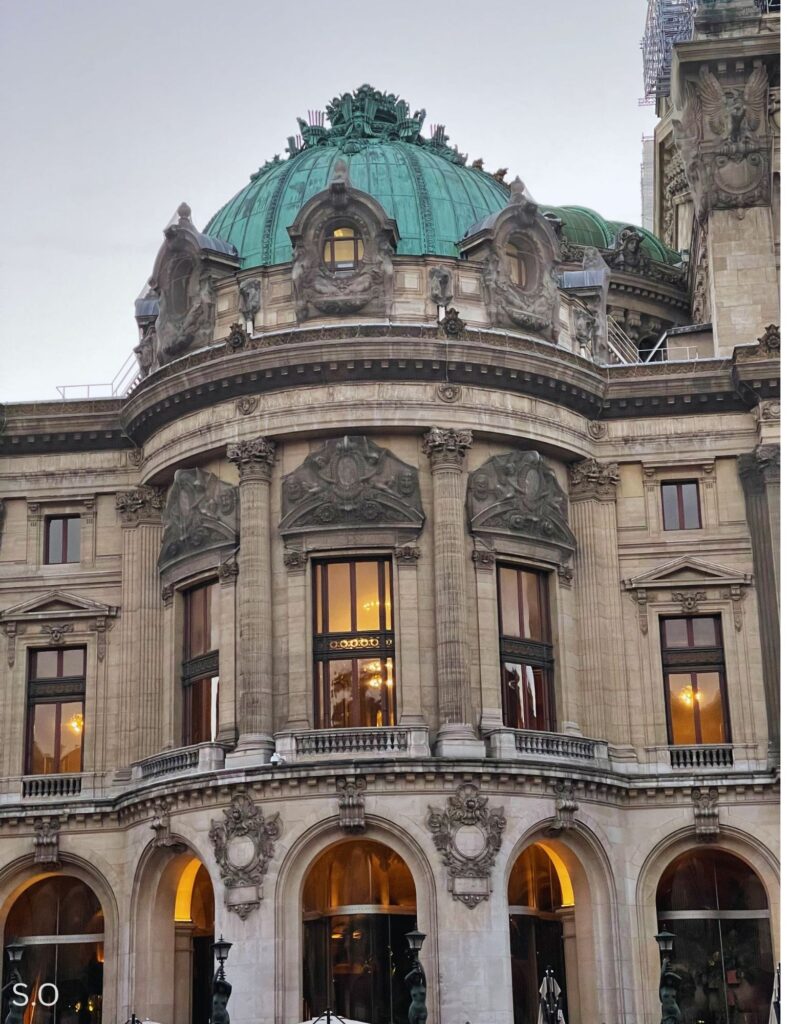
Start your fourth day in Paris by stepping into a living masterpiece: the Palais Garnier (Opera Garnier). Located in the vibrant 9th arrondissement, this architectural marvel stands as the most famous opera house in the world. Commissioned by Emperor Napoleon III and built by the visionary architect Charles Garnier between 1861 and 1875, the opera house offers a deep dive into France’s rich cultural heritage.
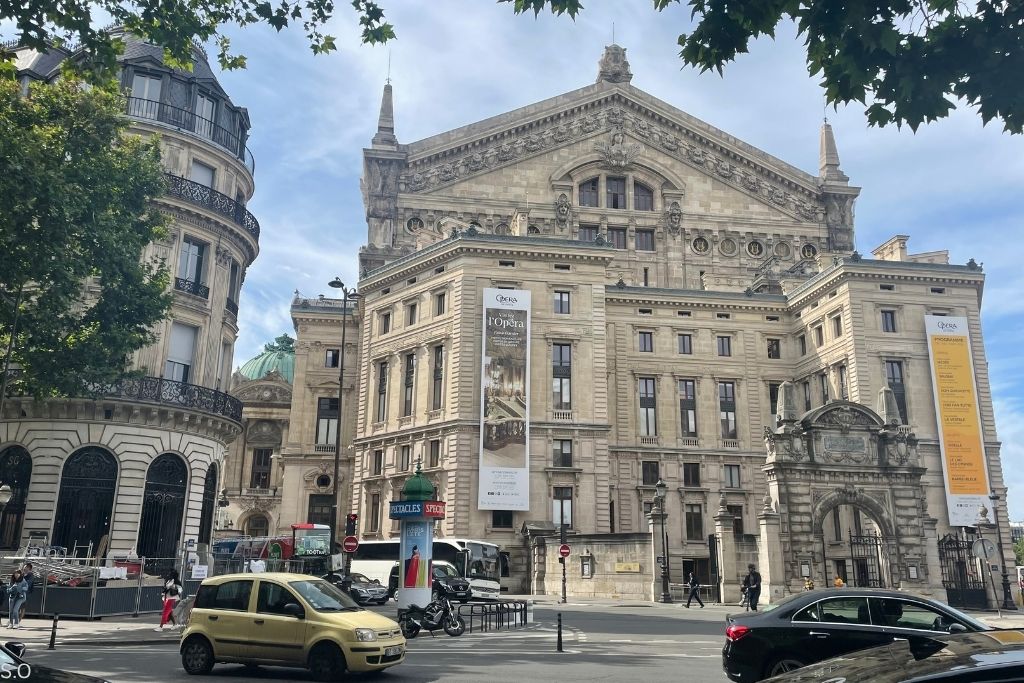
As you approach the building, the dazzling blend of Baroque and Renaissance-style architecture immediately captures your attention. In particular, the main façade is a breathtaking sight, adorned with elaborate stone carvings and striking bronze busts of legendary composers like Mozart and Beethoven.
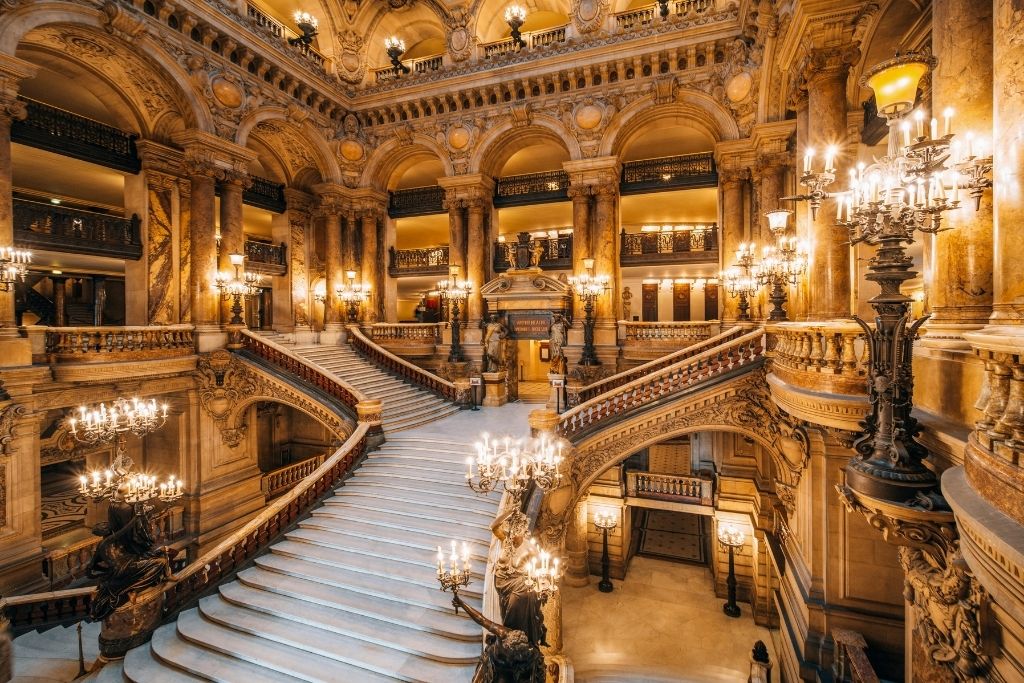
Once inside, you can walk up the magnificent Grand Escalier, a sweeping marble staircase that makes you feel like royalty. At the heart of the building lies its lavish horseshoe-shaped auditorium. With a capacity of nearly 2,000 seats, this grand space is enveloped in red velvet, glowing gold leaf, and crowned by a massive crystal chandelier.
This exact chandelier holds a dark and fascinating history. In 1896, a tragic accident occurred when one of its heavy counterweights broke free and fell into the audience. This specific event inspired Gaston Leroux to write his famous novel, The Phantom of the Opera. You can still feel the mystery and romance of that legendary tale echoing through the grand halls today.
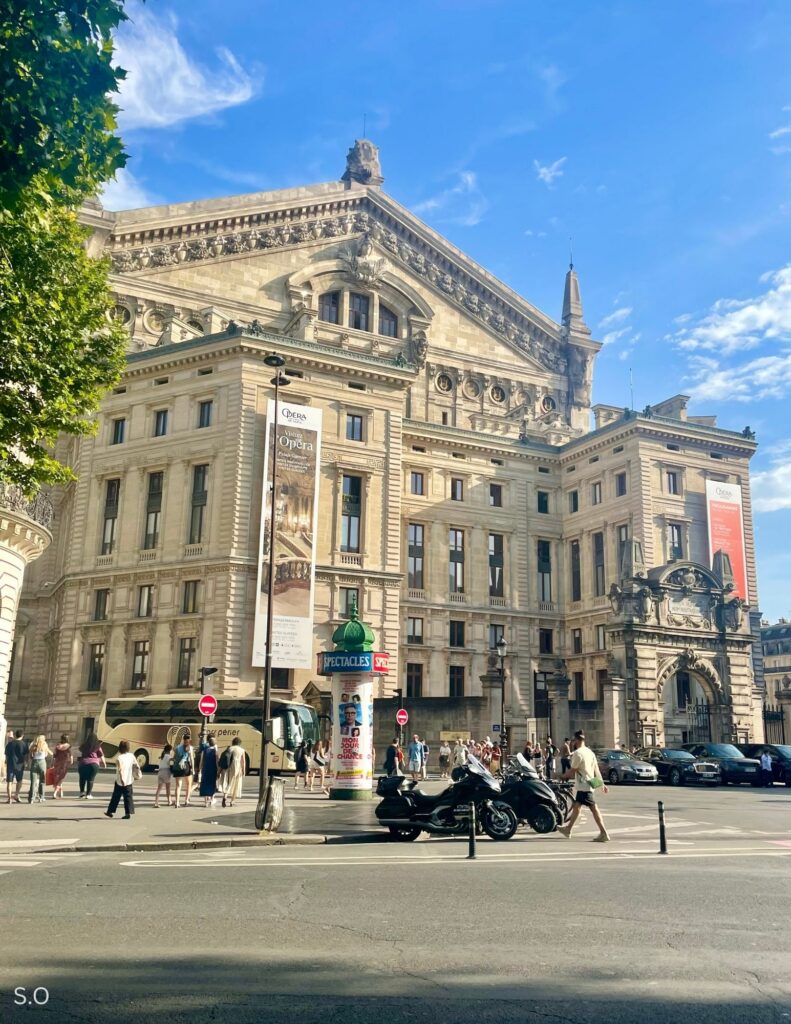
After exploring the stunning interiors, head to the east side of the building to discover L’Opéra Restaurant. This stylish dining spot offers a perfect place to sit back, relax, and enjoy an authentic local meal right in the heart of the city.
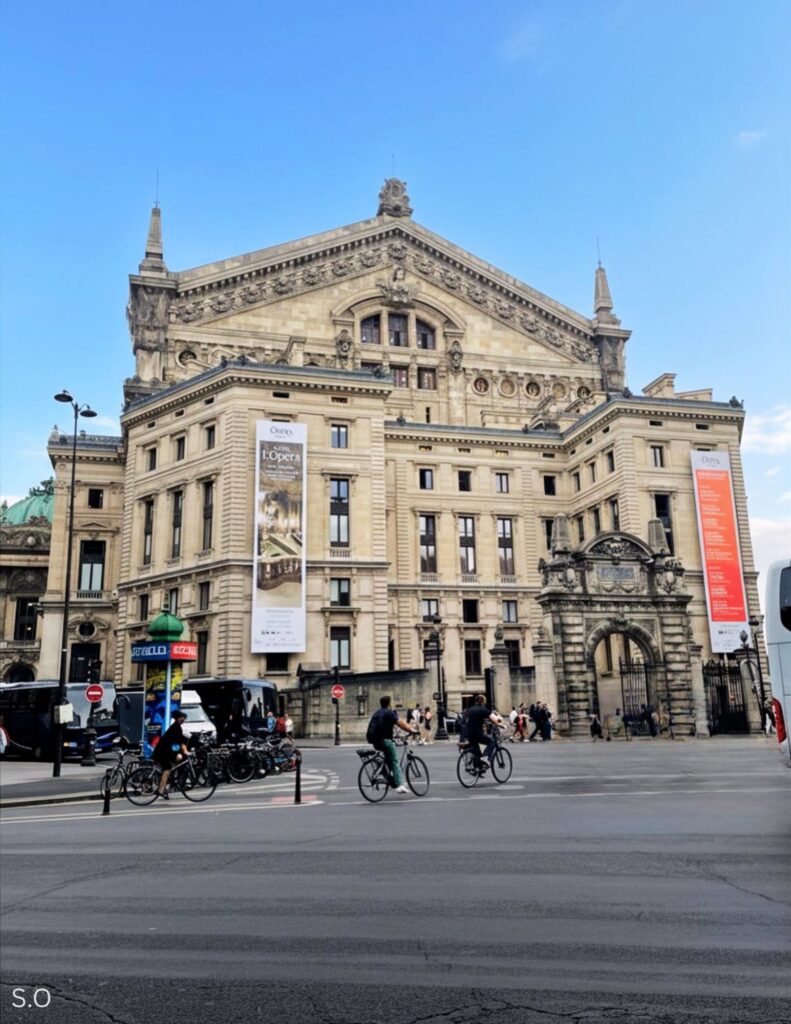
Practical Travel Tip: Because the Palais Garnier is one of the top destinations for culture and history lovers, you need to purchase your entrance tickets in advance. Booking your tickets online ahead of your trip helps you skip the long lines at the door.
Visit Bibliothèque Nationale de France – Richelieu (National Library of France)
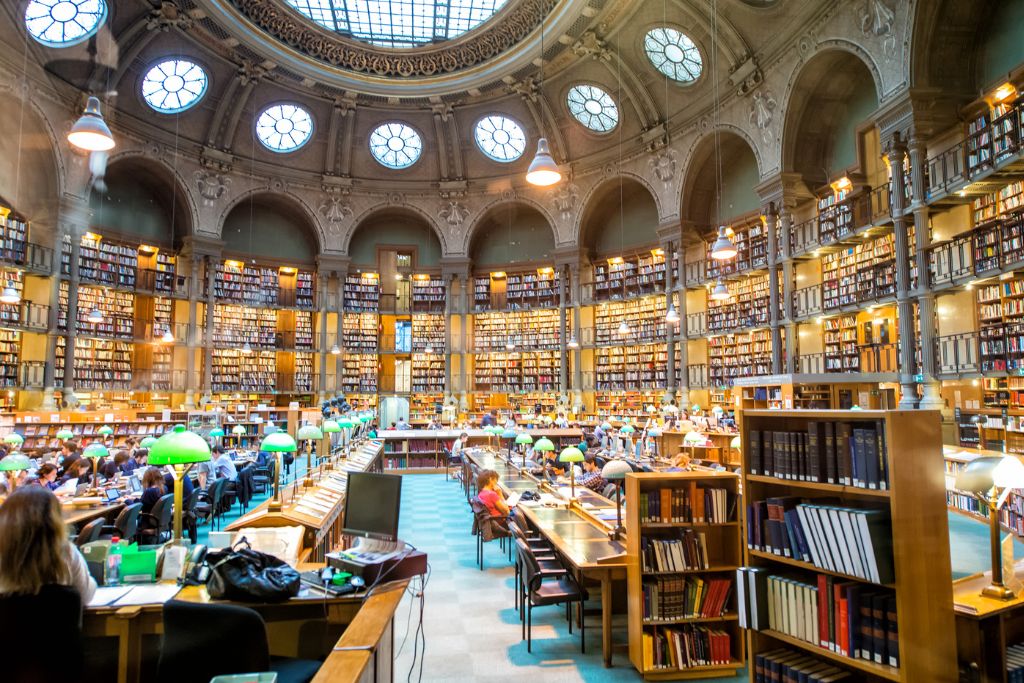
After visiting Opera Garnier, consider making a short detour to the nearby Bibliothèque nationale de France – Richelieu site. A few blocks away from the Palais Garnier, this magnificent library is a haven for lovers of history, literature, and architecture. Walk beneath its breathtaking glass-domed reading rooms and explore the treasures housed in one of Paris’s most storied cultural institutions. Even a brief visit to the Richelieu site offers a window into the scholarly soul of the city.
La Tour Eiffel (Eiffel Tower) and a Parisian Picnic
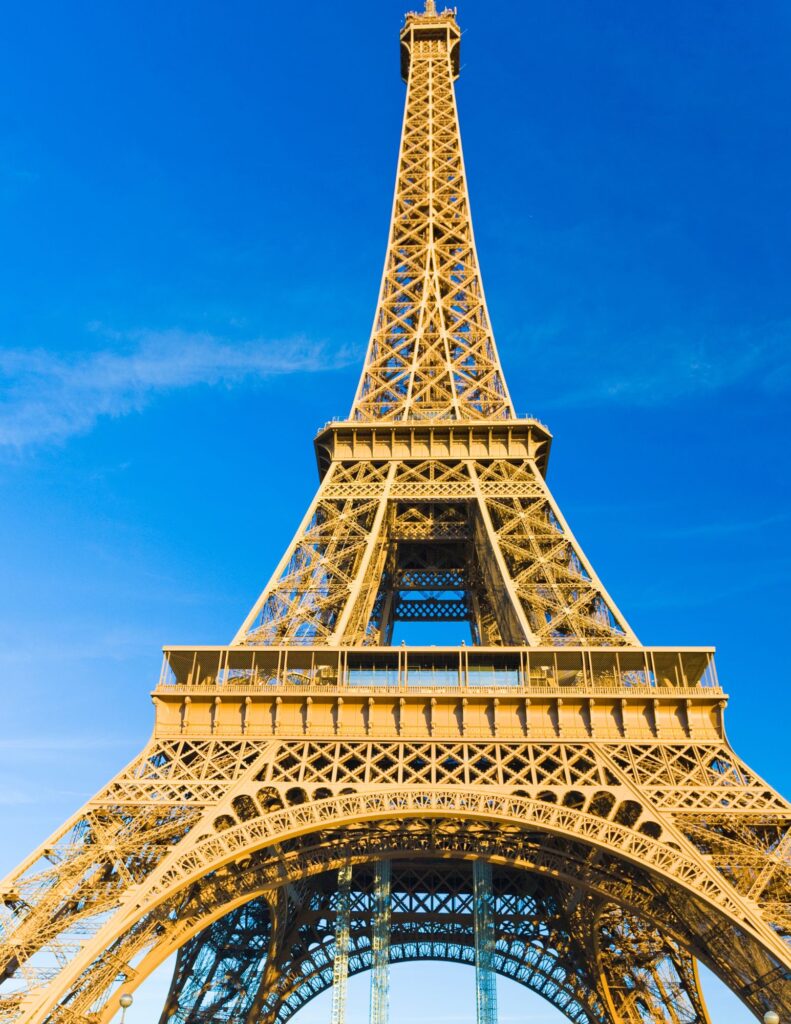
Getting to the Eiffel Tower is a breeze thanks to Paris’s excellent public transportation. You can take Métro Line 6 to Bir-Hakeim station or hop off at École Militaire on Line 8; from either stop, it’s just a short and scenic walk to La Tour Eiffel. For a more picturesque approach, take RER C to Champ de Mars–Tour Eiffel station, which drops you right by the Eiffel Tower.
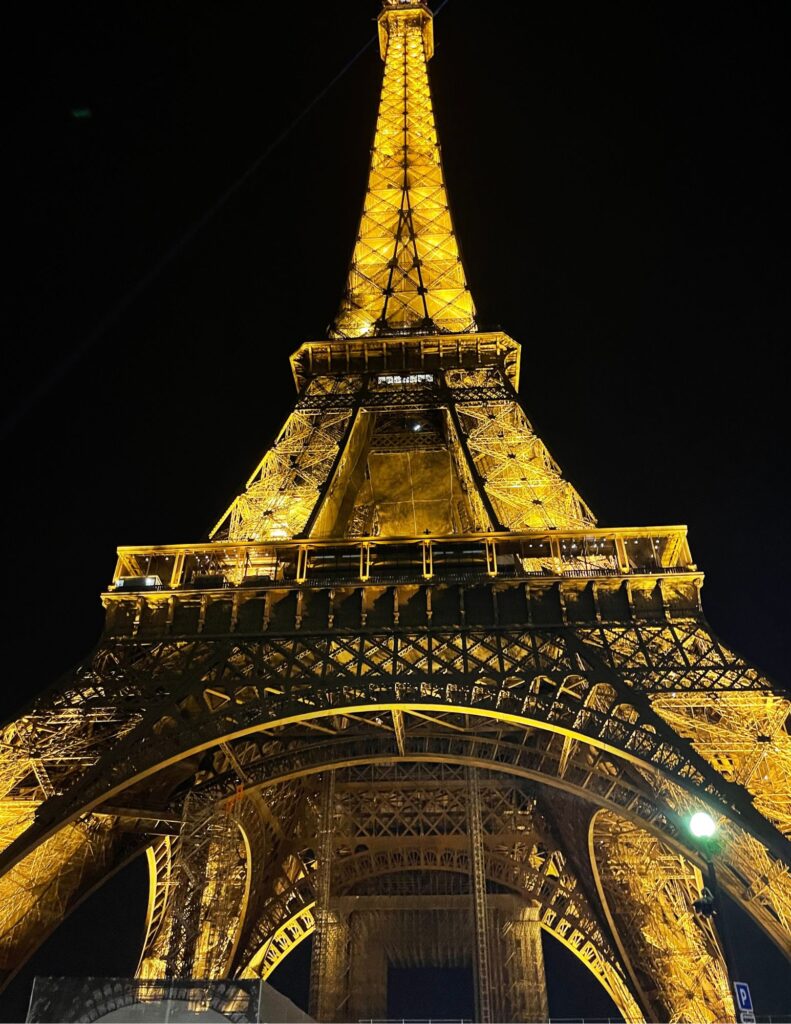
To reach its spectacular viewing decks, you have two options—take the elevator all the way up, or, for those seeking a unique challenge, climb the 674 stairs to the second floor before switching to the elevator for the final ascent to the summit. Whichever route you choose, breathtaking panoramic views of the city await.
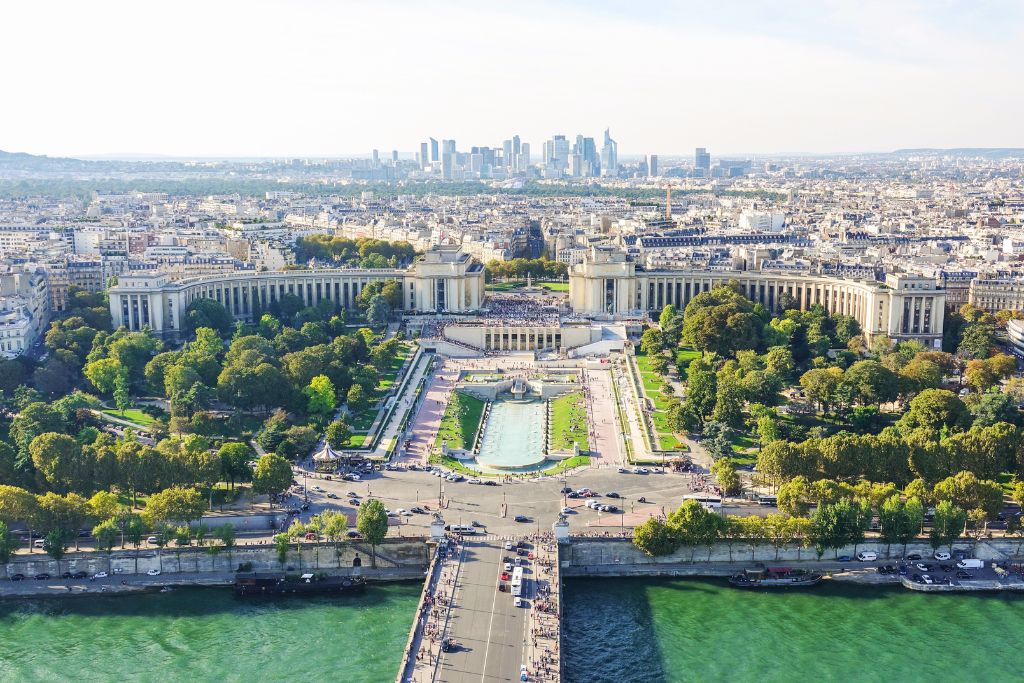
From above, you can watch the beautiful Seine River winding through historic neighborhoods and spot iconic Parisian landmarks scattered across the skyline. For a seamless experience, be sure to purchase your Eiffel Tower tickets in advance, as lines can get quite long, especially during peak times.
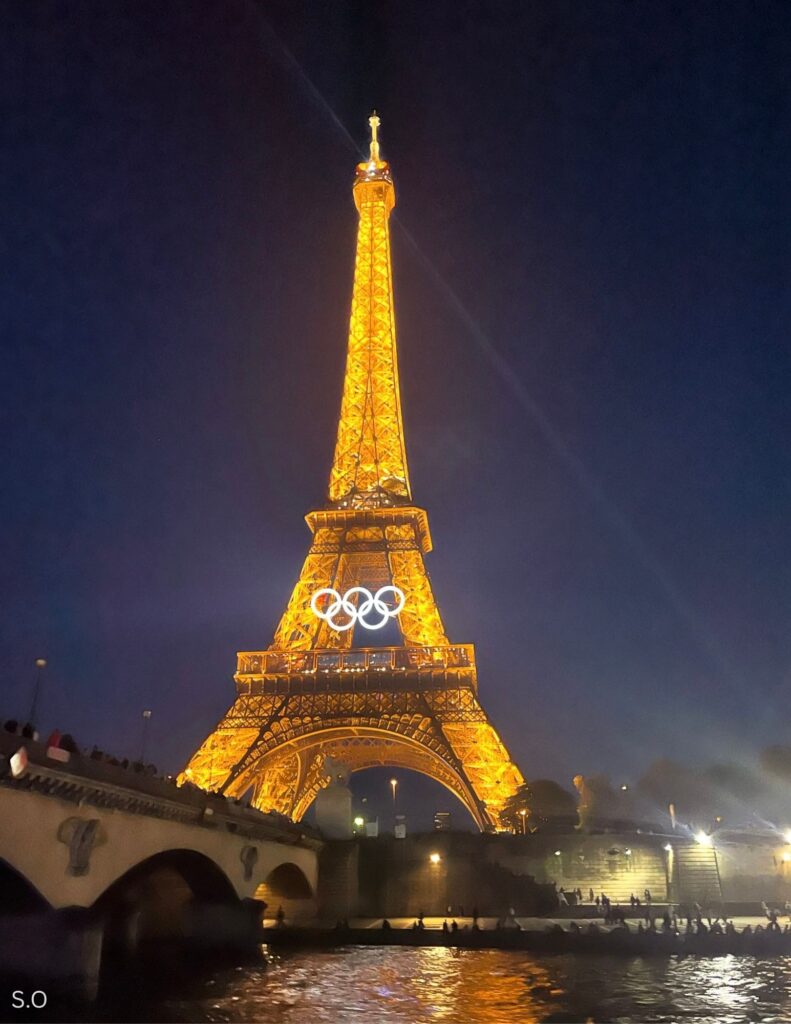
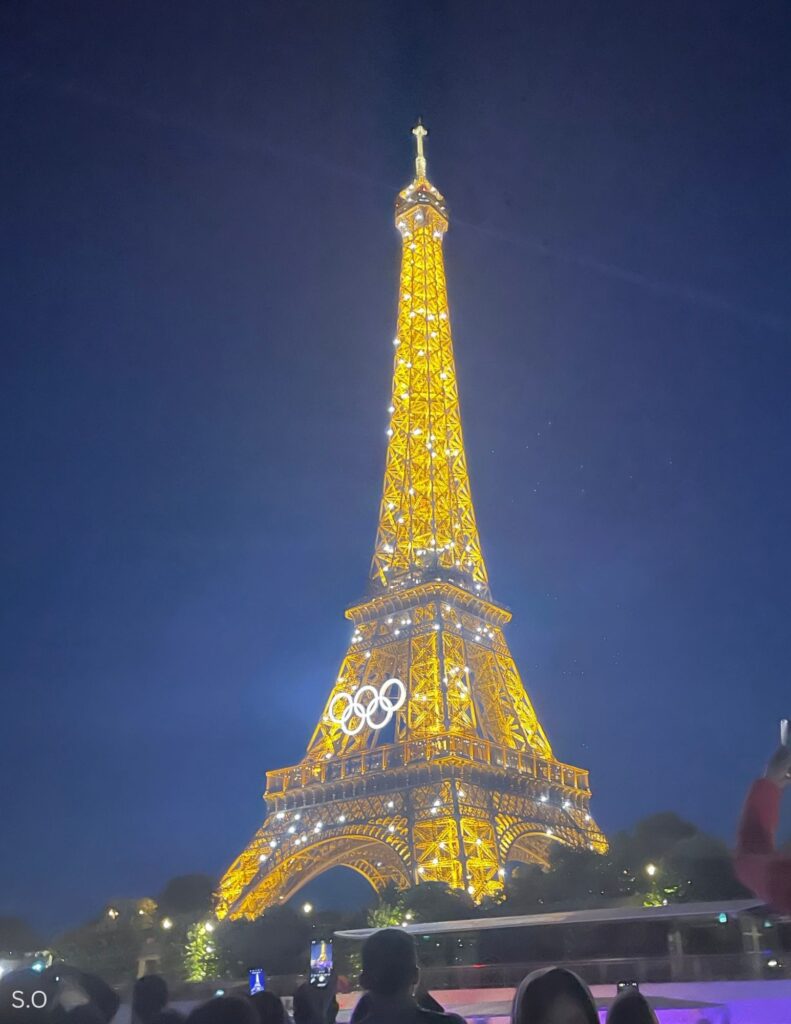
Once you finish admiring the majestic skyline, return to the ground for a truly classic Parisian experience. Pick up a fresh baguette, some rich local cheese, and sweet pastries to enjoy a relaxing picnic on the Champ de Mars. This green park sits right beneath the Eiffel Tower, offering the perfect spot to rest your feet and take stunning photos.
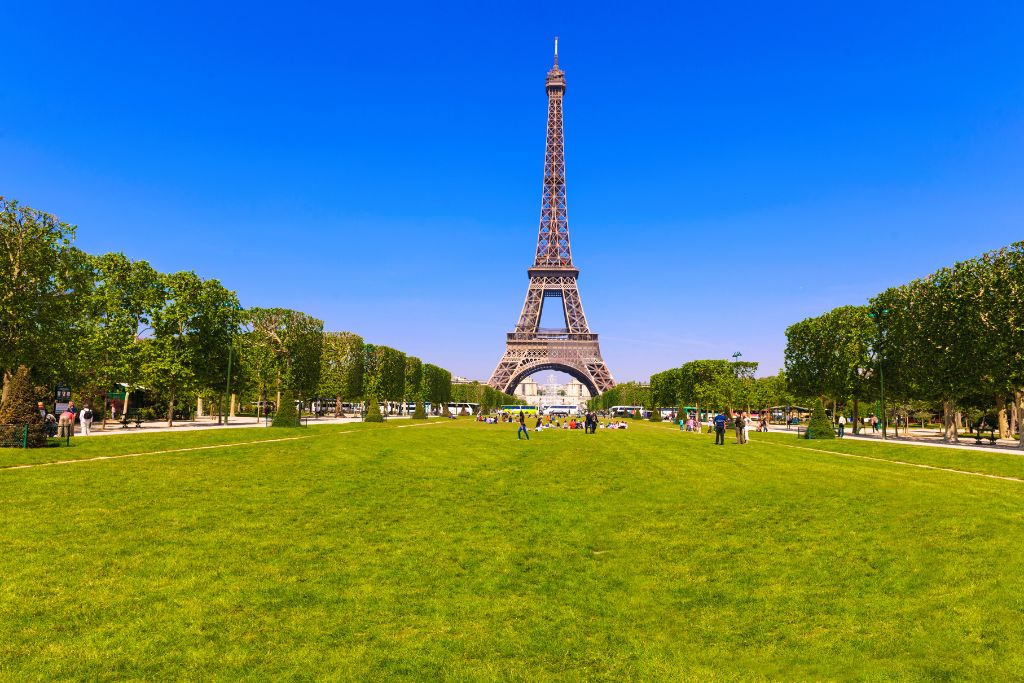
This green park is a favorite gathering spot for locals and visitors alike—offering the perfect setting to savor your meal, capture postcard-worthy photos, and enjoy the lively Parisian atmosphere.
Afternoon: Walking along the Champs-Élysées
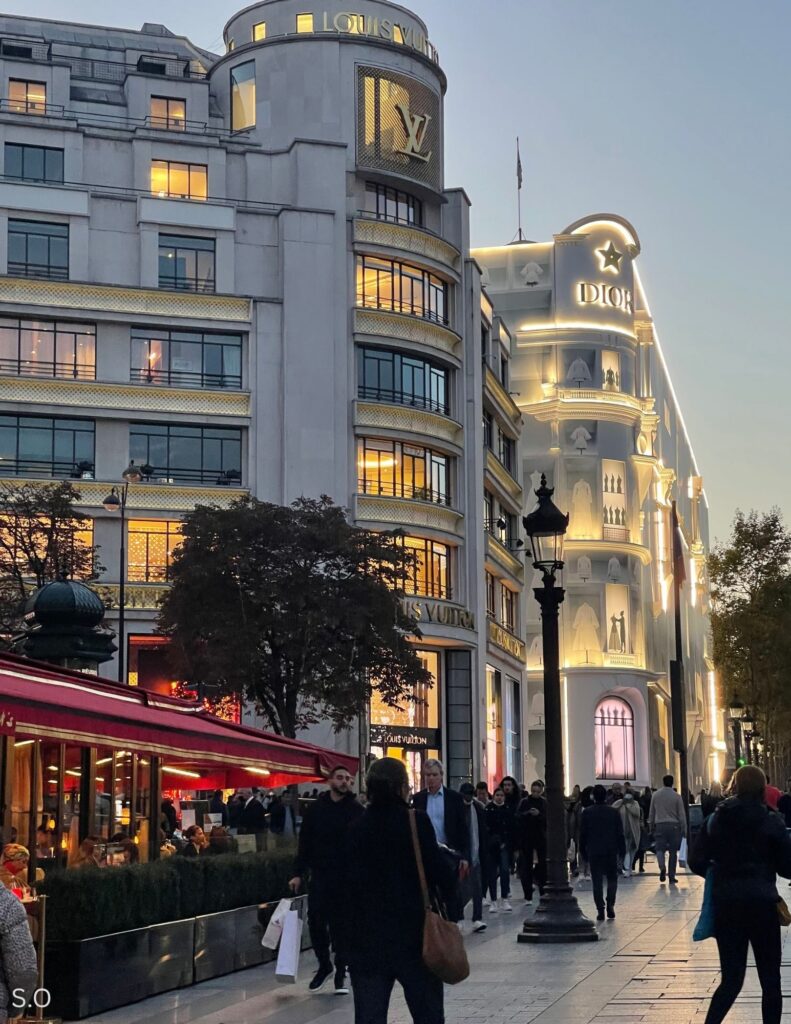
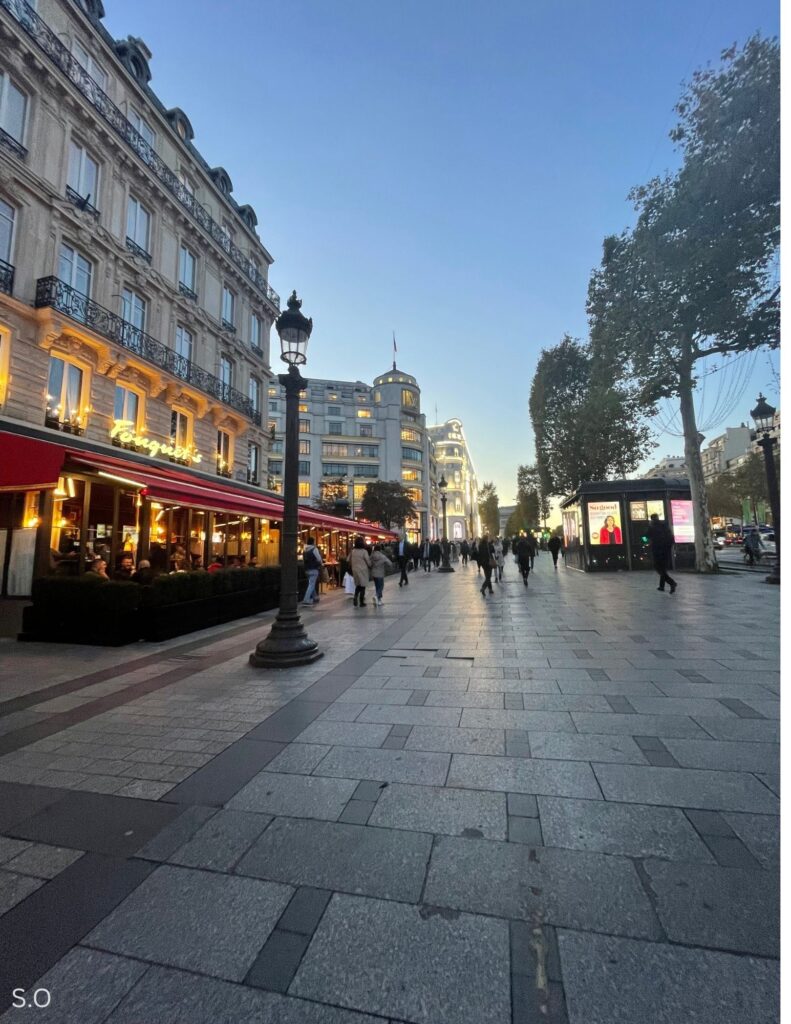
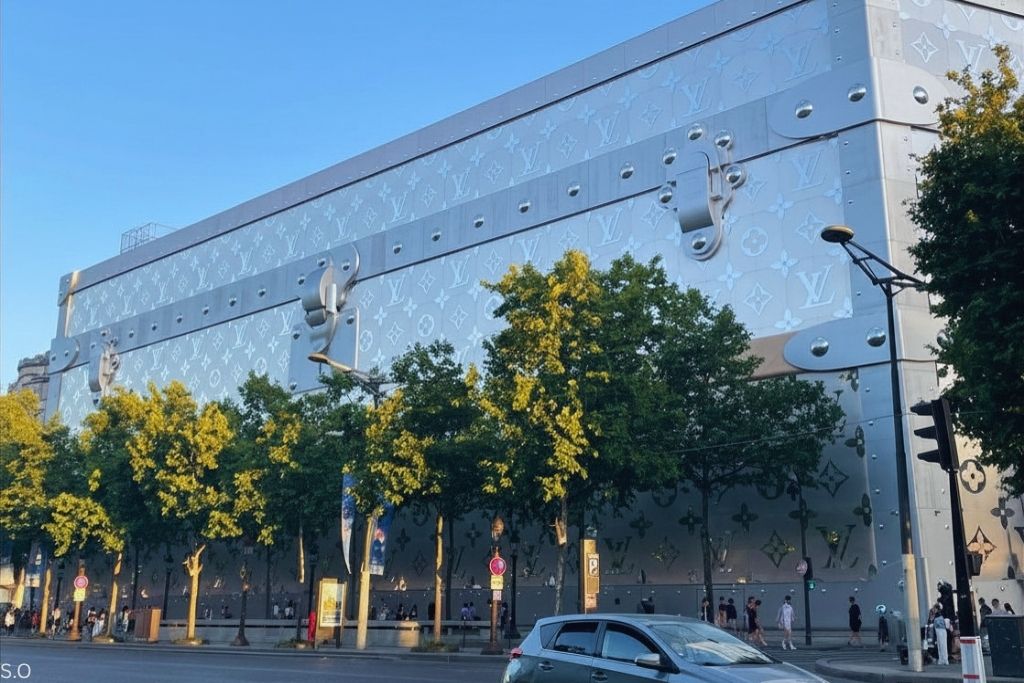
As you stroll along the avenue, you’ll encounter some of the most iconic names in fashion—Louis Vuitton’s flagship store dazzles with its grandeur, while galleries from Cartier and Chanel invite you to explore their timeless collections. For those seeking the latest trends, you’ll also find boutiques like Dior, Hugo Boss, and Lacoste.
Evening: Sunset at the Arc de Triomphe
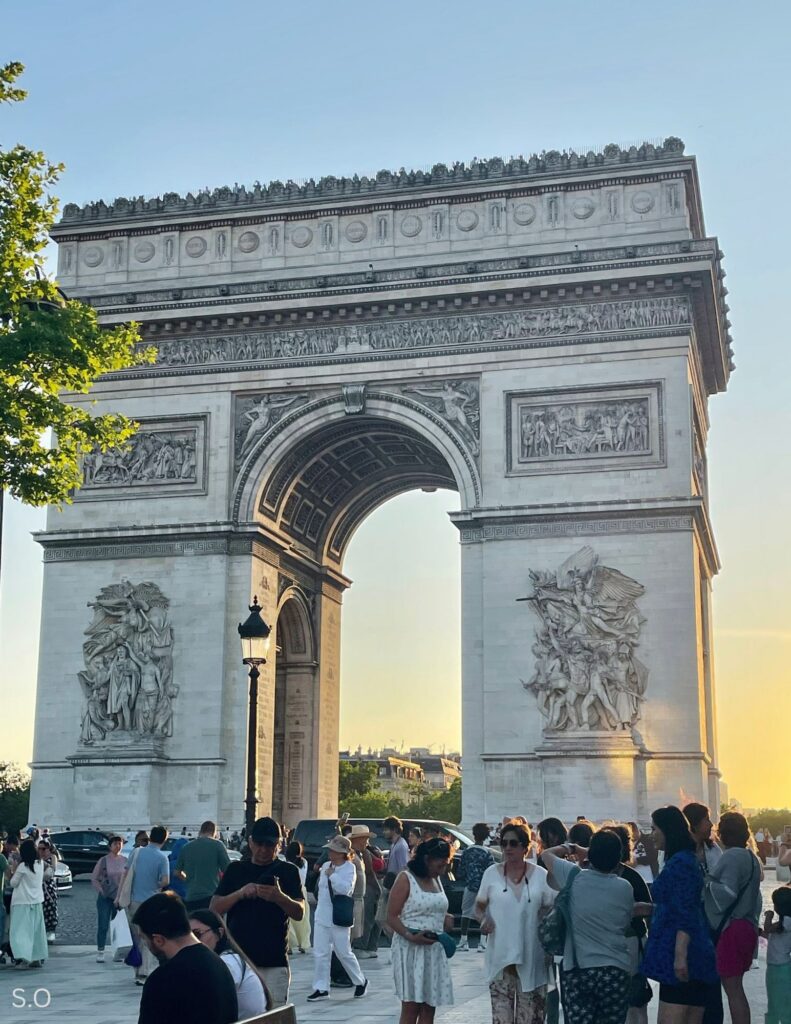
As evening approaches, head to the western end of the Champs-Élysées to visit the monumental Arc de Triomphe. Commissioned by Napoleon after his victory at Austerlitz in 1805, the Arc de Triomphe stands as a symbol of French unity and remembrance. Its grand arch honors the French soldiers who fought and died during the Revolutionary and Napoleonic Wars, with the names of generals and battles inscribed along its monumental pillars. Located beneath the arch is the Tomb of the Unknown Soldier, where the eternal flame burns each night as a tribute.
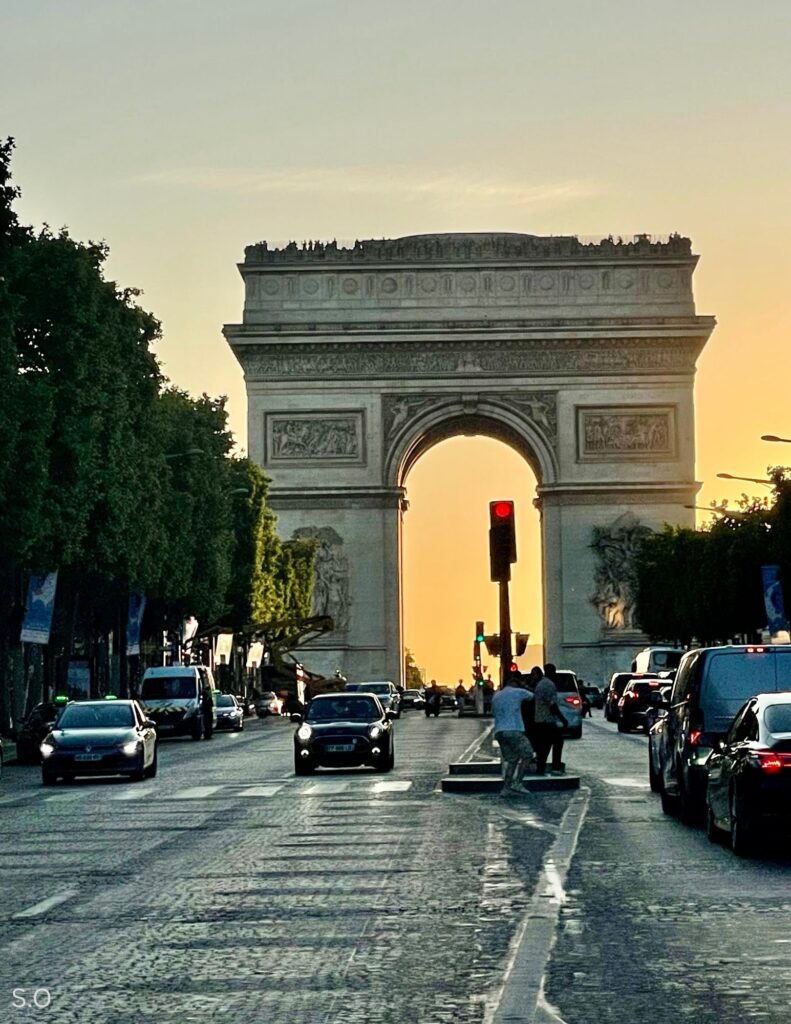
To make the most of your visit and avoid long waits, it’s best to purchase your Arc de Triomphe tickets in advance. Climb the spiral staircase to the open-air viewing platform just in time for sunset. From this spectacular vantage point, you can see the twelve grand avenues radiating outward in a perfect star shape, right as the city lights begin to sparkle.
Dinner: A Grand French Finale
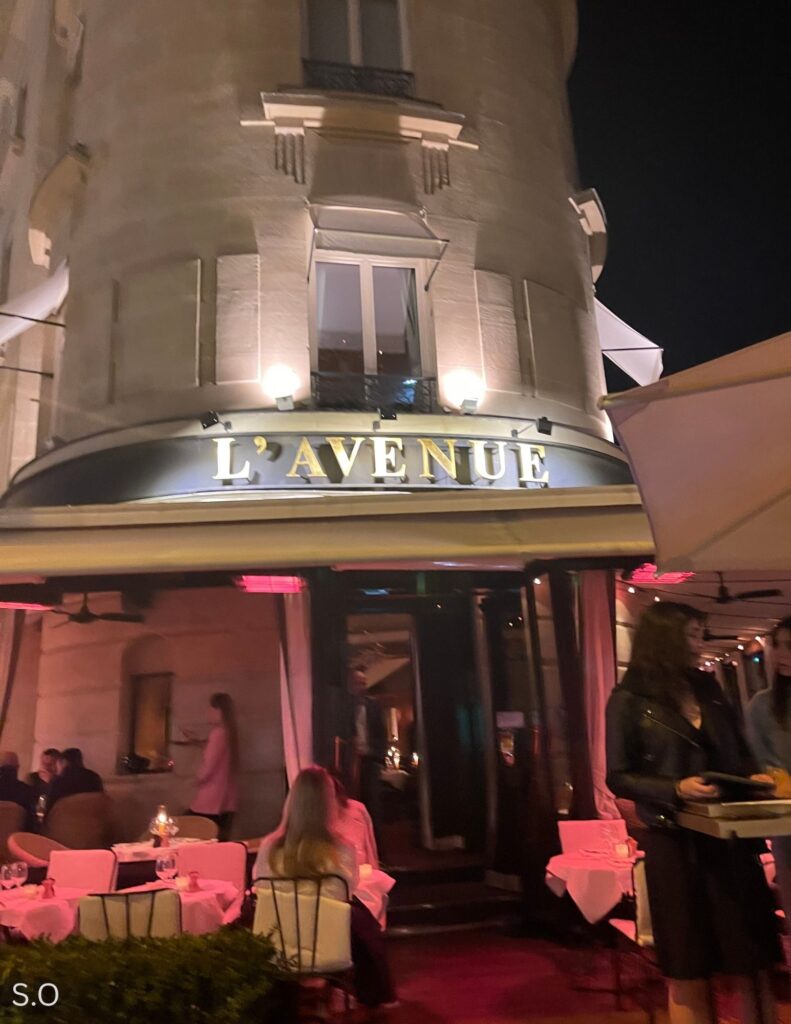
End your amazing trip with a delicious French dinner. The neighborhood surrounding the Champs-Élysées offers incredible dining options to suit your exact mood. Here are four outstanding choices to complete your Parisian adventure:
- Le Carré Elysée: This welcoming restaurant offers a cozy and intimate ambiance. You can enjoy traditional French bistro classics here. It provides a relaxed, friendly setting to unwind after an active day.
- La Scène: If you want a truly luxurious evening, book a table at this spectacular Michelin-starred restaurant. The elegant, modern dining room perfectly complements the exquisite, inventive French gastronomy served on every beautiful plate.
FAQs
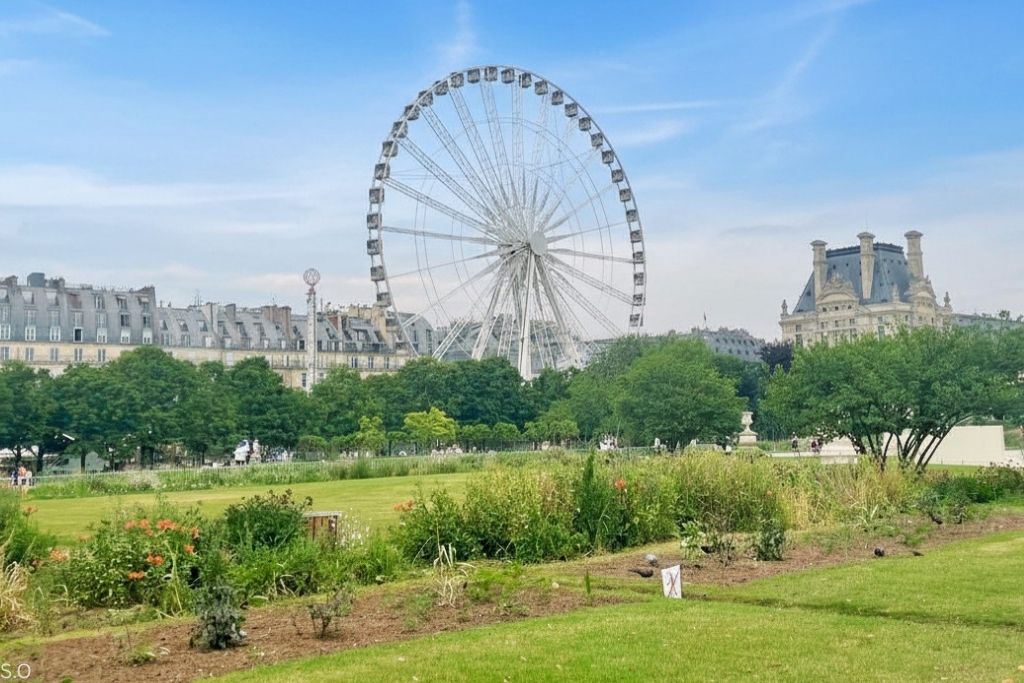
Transportation in Paris
The Paris Métro serves as your fast and reliable transportation to the entire city. Get a Navigo Easy pass at any station for quick, convenient access through the turnstiles.
When you need a quick lift across town to rest your feet, Uber or Bolt remains widely available and perfectly suited for short trips between neighborhoods.
Airport Transfers
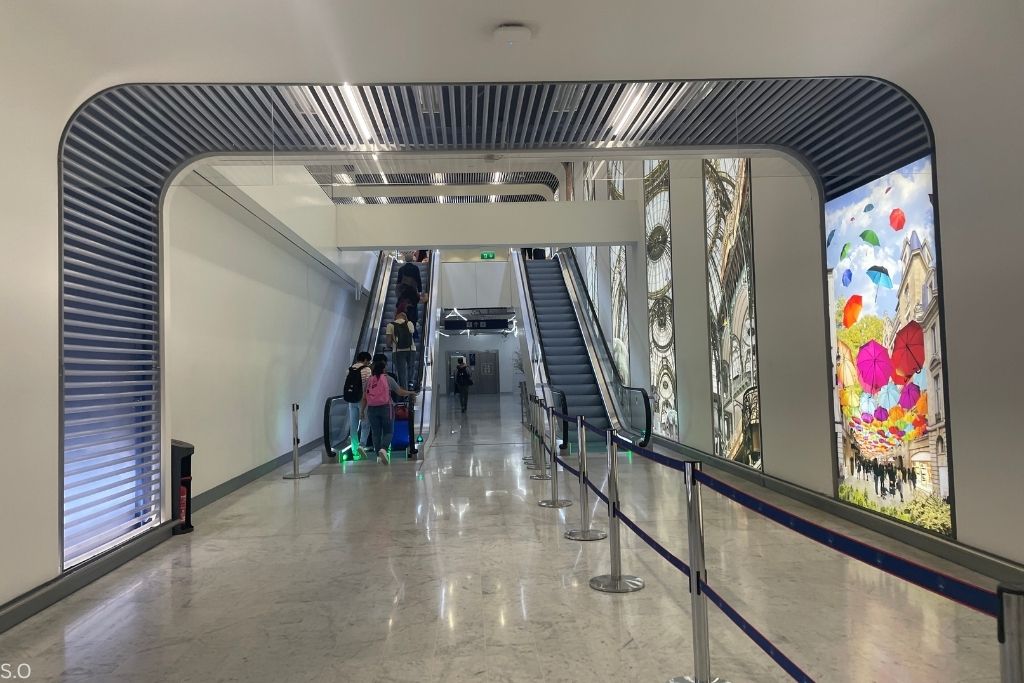
You can catch the RER B train from Charles de Gaulle (CDG) or Orly (ORY) airport for a fast, direct transit route right into the heart of the city. With a light luggage, taking the train is the fastest way to get to city center.
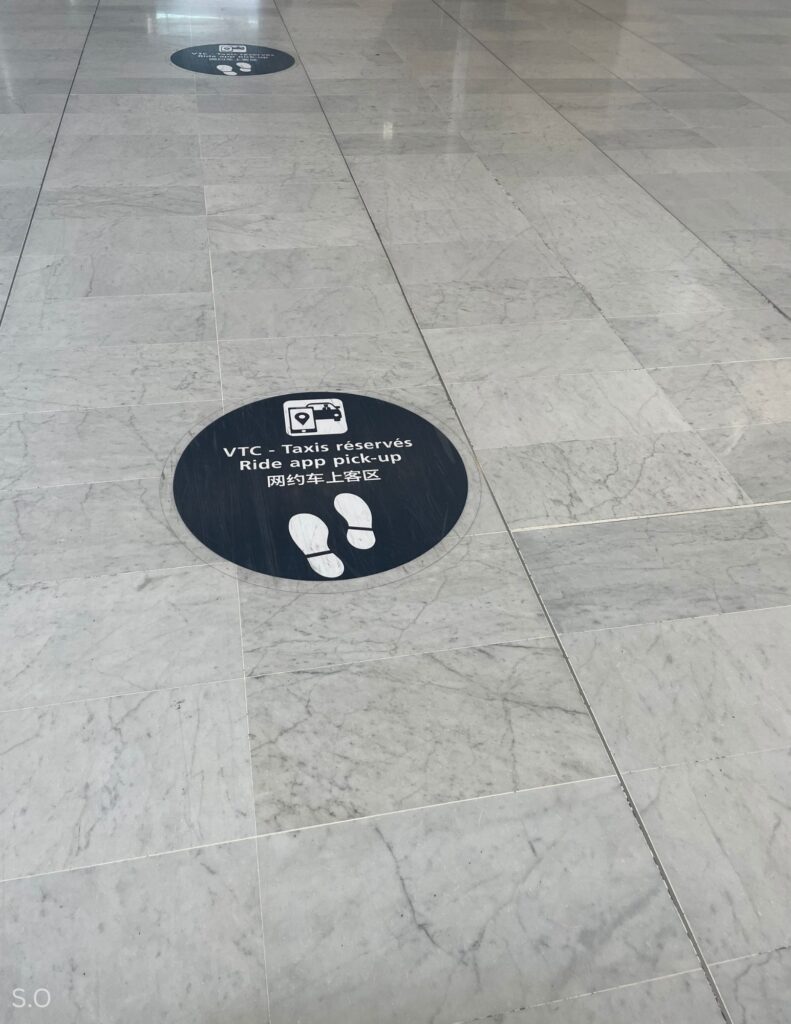
For a private ride, request an Uber or Bolt directly from the terminal. While ride-sharing fares vary based on demand, they are often slightly cheaper than taxis for trips from the airport to Paris. Follow the in-terminal signage to the designated Uber pick-up area at CDG.
Alternatively, you can easily take a classic taxi from the official ranks outside the baggage claim. The city regulates these taxi fares to protect travelers, offering a flat rate that depends entirely on which side of the Seine River you need to reach. If your destination is on the Right Bank (the north side of the Seine), the taxi fare is slightly cheaper—around €56 as of 2026—compared to approximately €65 for the Left Bank (the south side).
Best Time to Visit Paris
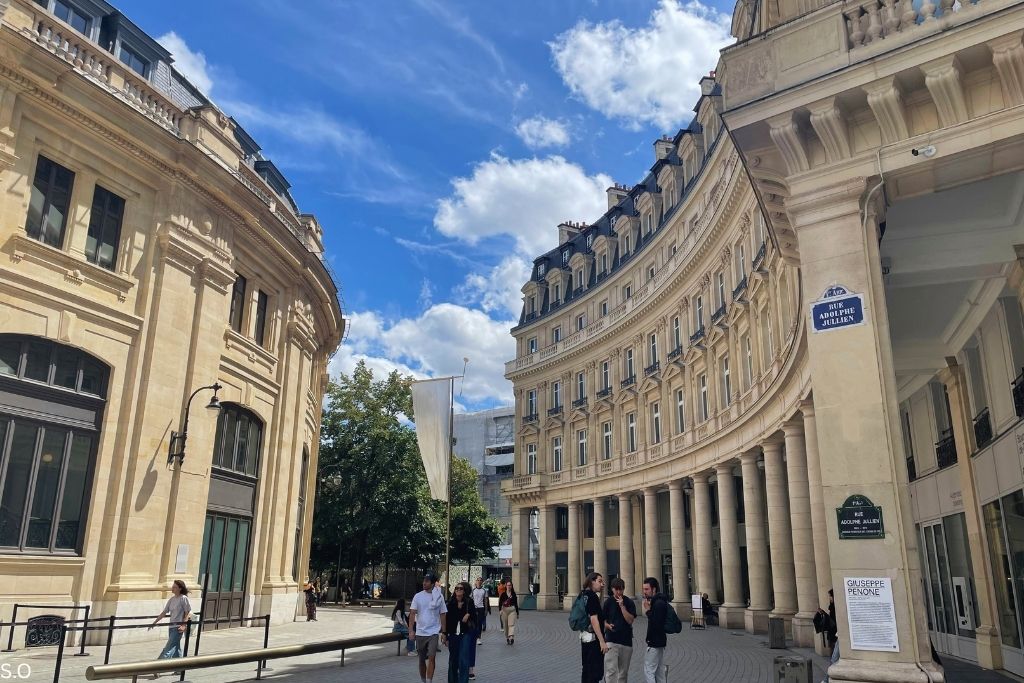
No matter the season, Paris offers a wealth of experiences that can inspire and delight year-round. The city’s vibrant energy, cultural treasures, and picturesque streets make it a wonderful destination no matter when you choose to visit. Depending on your interests, you’ll find each season has its own uniquely Parisian charm—whether you’re drawn to outdoor festivals, cozy winter strolls, or tranquil days spent exploring gardens and galleries.
If you love being outdoors, visiting grand monuments, and soaking up the lively atmosphere in parks, plan your trip for spring, summer, or fall. These months bring mild weather, making them perfect for sightseeing and outdoor adventures.
Spring (April to June): A City in Bloom
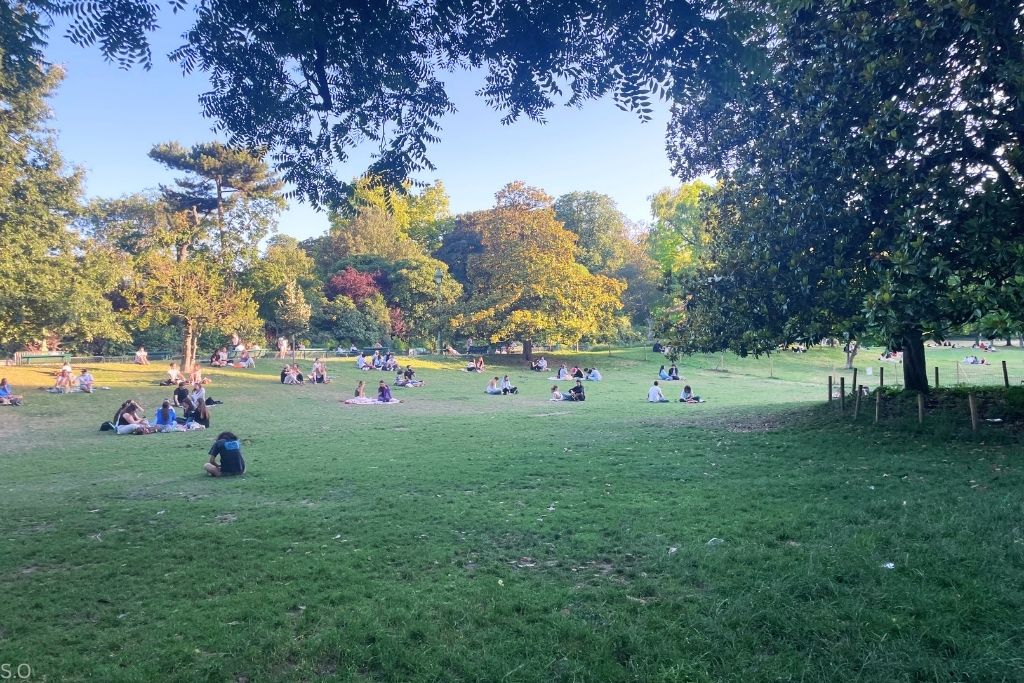
Many travelers consider spring the best time to explore the French capital. From April to June, the city awakens with mild weather and a calendar full of exciting events. The gardens of the Tuileries and the Luxembourg Palace burst into vibrant color, creating a pleasant scenery for afternoon walks. Spring also hosts lively happenings like Paris Fashion Week and the much-anticipated Foire de Paris, inviting you to step into the city’s world of style, art, and innovation.
Having experienced La Fête de la Musique myself, I can promise that music lovers should witness this unforgettable celebration at least once. On June 21st—the longest day of the year—the city fills with music during the annual music festival, transforming the streets into a vibrant open-air stage filled with performances in every genre. From pop and jazz to classical ensembles and electronic music, you’ll find music filling the air on countless streets and squares of Paris.
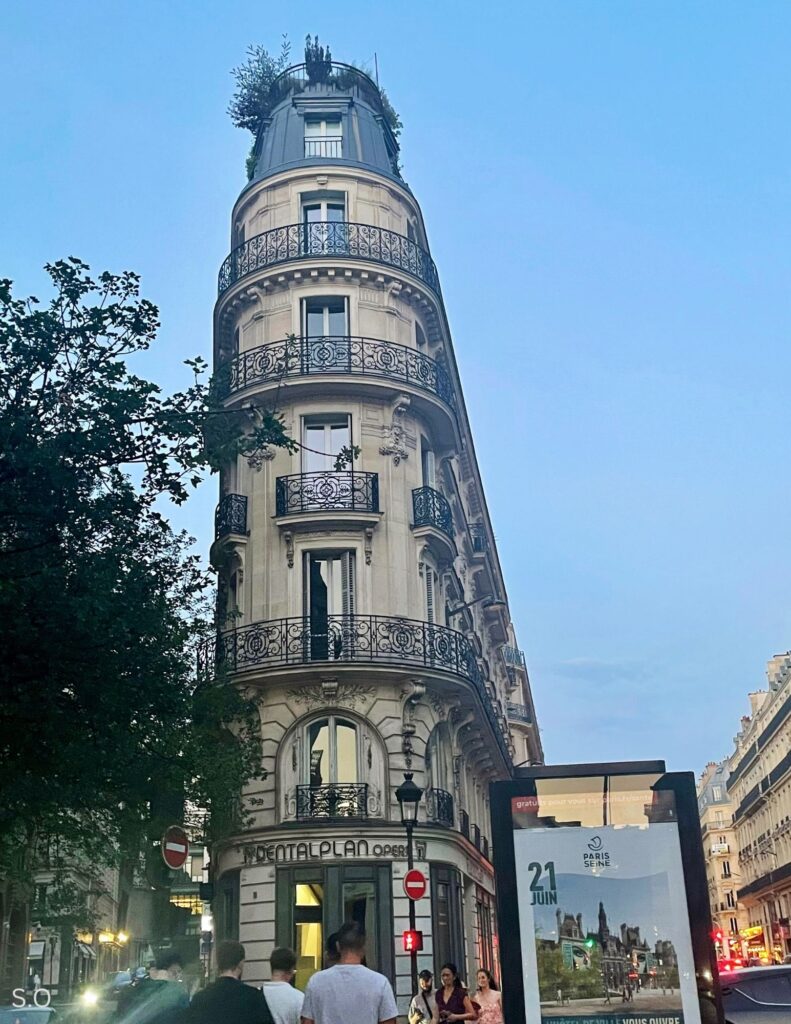
During these months, you will enjoy pleasant temperatures, perfect for sitting at outdoor café terraces. While the city is lively, you avoid the overwhelming crowds that visit Paris during the peak summer months. It is an ideal window for wandering through historic neighborhoods like Montmartre or taking a leisurely cruise down the Seine River.
Summer (July to August): Vibrant Energy and Festivities
One of the season’s greatest gifts is the abundance of daylight—both spring and summer bless the city with gloriously long days, giving you extended hours to wander gardens and sightsee the monuments, and enjoy open-air events late into the evening. These months are brimming with annual celebrations and citywide festivities, from the Bastille Day fireworks lighting up the sky on July 14th.
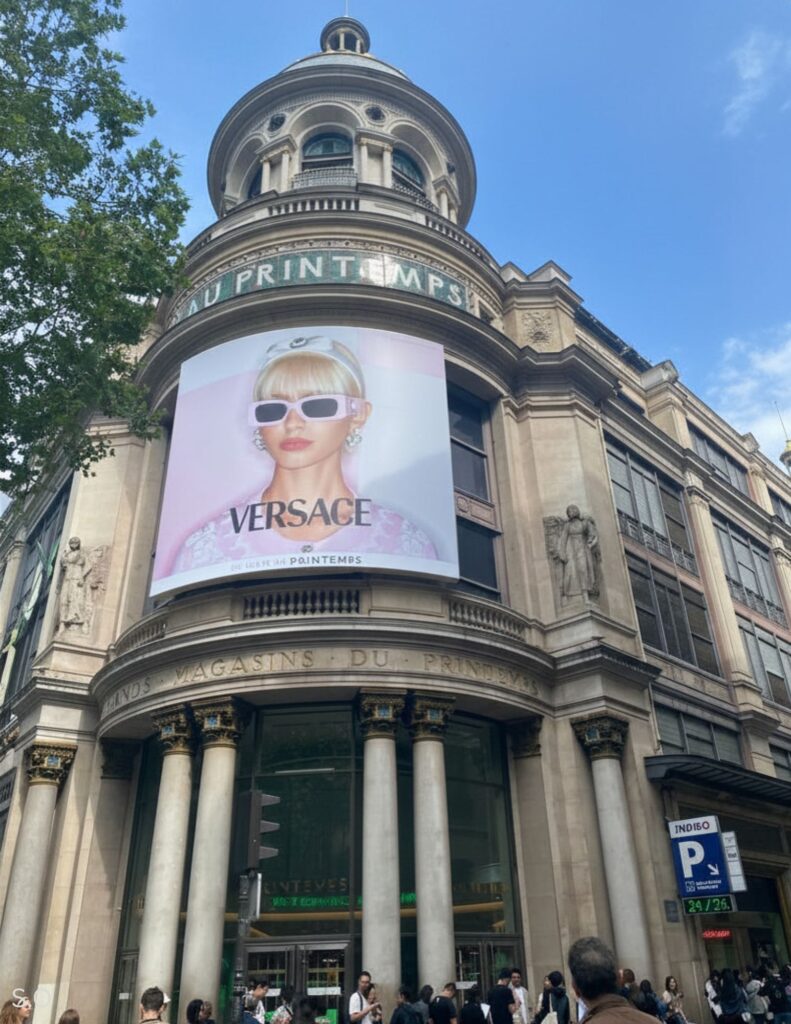
Summer also marks the start of “Les Soldes”, the eagerly anticipated summer sales running from late June 24 to July 21—perfect for bargain hunters to shop in some of the city’s best boutiques and department stores.
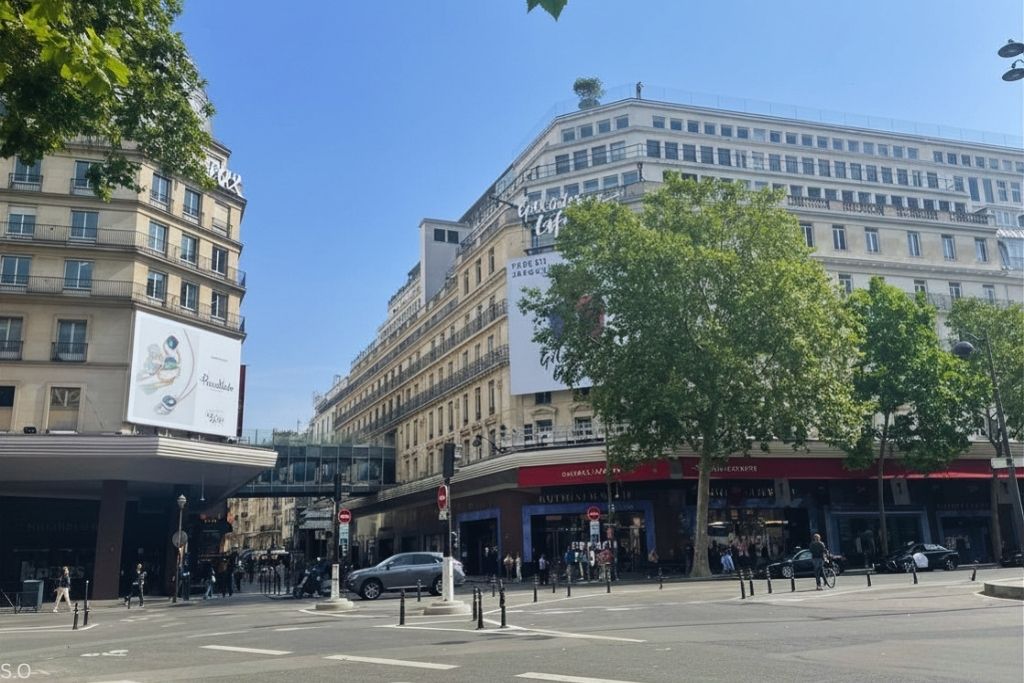
However, this vibrant energy comes with higher temperatures and the largest crowds of the year. Many locals leave the city for their own vacations in August, while international visitors fill the streets and attractions. If you choose to visit during summer, make sure to book your museum tickets and dinner reservations well in advance to ensure a smooth trip.
Fall (September to November): Autumnal Elegance
As summer fades, Paris transitions into a breathtaking display of golden hues and crisp, refreshing air. September through November rivals spring as the optimal time for a Parisian getaway. The weather remains comfortable, and the summer tourist rush significantly subsides, giving you more space to breathe and explore iconic landmarks. Fall is also festival season, bringing world-famous events like Paris Fashion Week, contemporary art fairs such as FIAC, and a lively lineup of exhibitions and performances across the city’s top museums and concert halls.
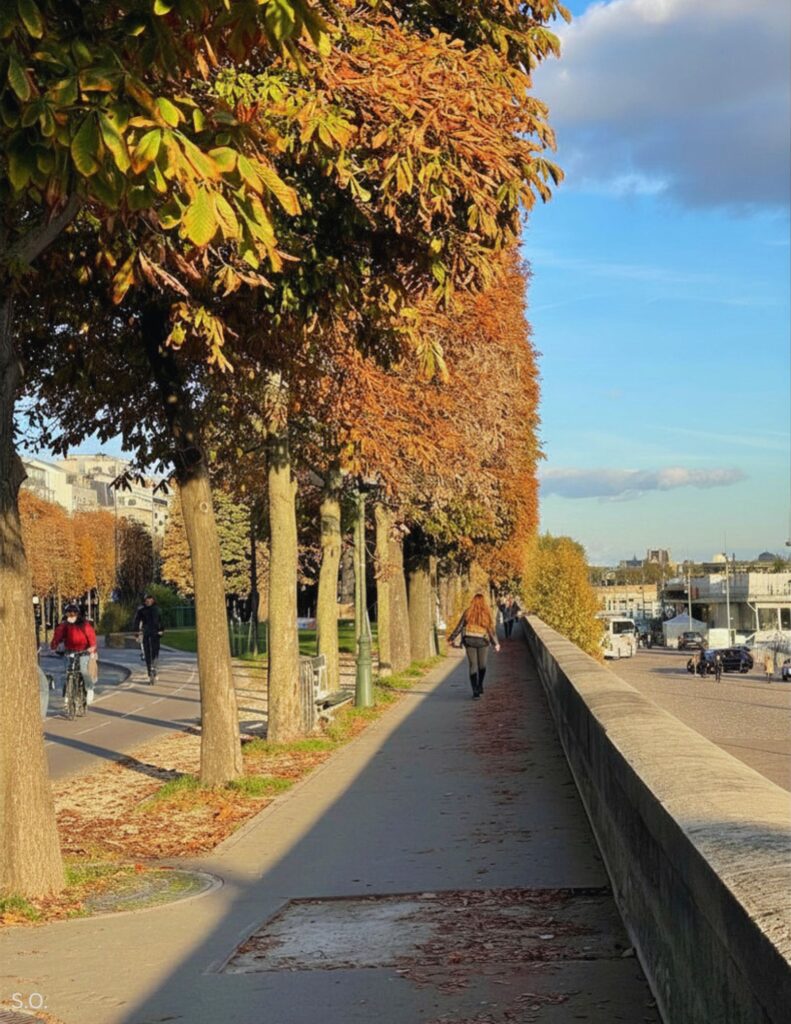
As summer fades, Paris undergoes a transformation characterized by golden foliage. The period from September to November is considered equally favorable as spring for visiting the city.
Fall also marks the beginning of the cultural season, known as la rentrée. Parisians return from their summer holidays, bringing a renewed energy to local bistros, boutiques, and art galleries.
Winter (December to March): Festive Charm and Quiet Galleries
December ushers in Paris’s famous Christmas markets, where you can browse handmade gifts and sample seasonal treats beneath twinkling lights. Grand department stores like Galeries Lafayette also unveil dazzling holiday window displays. New Year’s Eve lights up the city with music, celebrations, and fireworks around iconic landmarks.
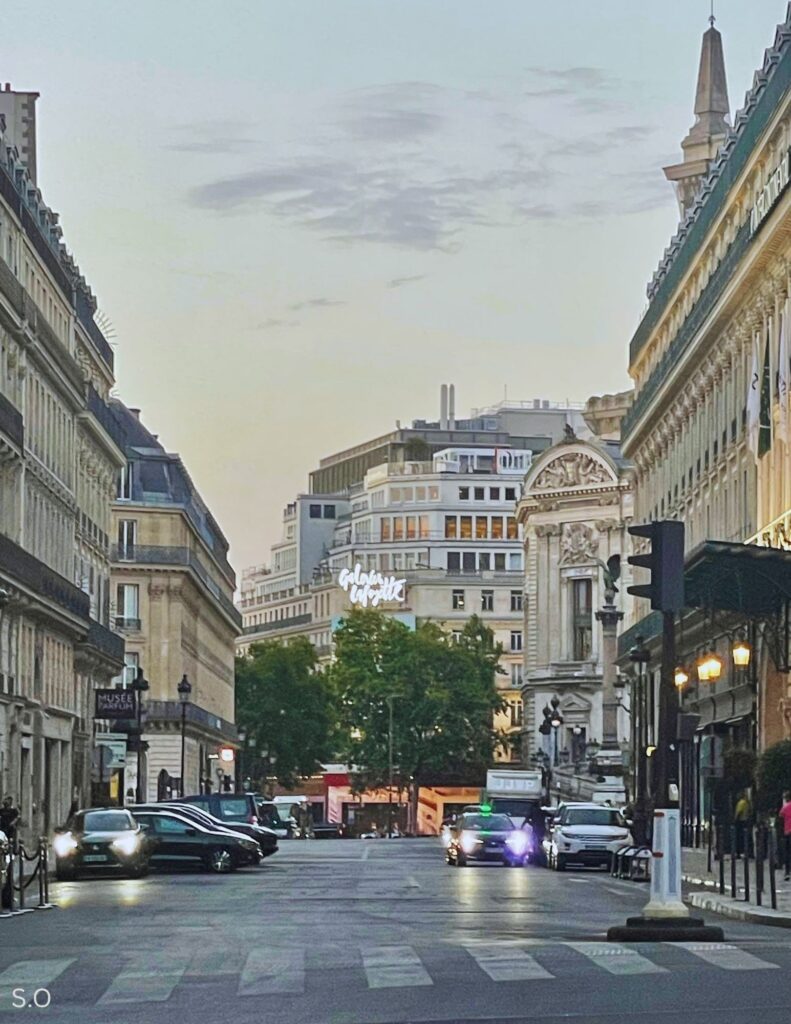
Once the holidays pass, January through March offers the ultimate reward for savvy travelers: the shortest lines of the year. During this quieter season, you can stand face-to-face with masterpieces in the Louvre or the Musée d’Orsay without the usual crowds.
What to Wear or Pack for Paris
Packing for Paris is all about balancing timeless style with practical comfort. With the right essentials, you’ll feel at ease and look polished as you explore the city’s museums, monuments, and lively streets. Here are some tried-and-true favorites to help you prepare:
- PUMA Women’s Adelina 2 Slip-On Sneakers are perfect for casual walks along the Seine or through bustling neighborhoods.
- VIVAIA Women’s Izabel Comfortable Round Toe Flat Shoes and VIVAIA Veronica Pointed Toe Flats offer all-day comfort for city strolls.
- For effortless Parisian chic, a blazer jacket like Allegra K’s Vintage Tweed transitions seamlessly from museums to dinner.
- Keep your essentials close with a Kate Spade New York Devin Saffiano Leather Crossbody, KARL LAGERFELD Lourdes Crossbody, or Frye Melissa Medium Crossbody.
- For added security, try an Anti Pickpocket RFID Crossbody Bag or Befen Genuine Leather Anti-Theft Bag—these are designed with travel in mind.
- Don’t forget to pack a pair of stunning Dior Gunmetal Mirrored Butterfly Sunglasses for both style and UV protection.
- Prepare for the ever-changing weather with a BAODINI Travel Essentials Mini Umbrella—compact and lightweight for your daypack.
Paris Museum Pass
To maximize your cultural adventures within the city limits and beyond, purchase the Paris Museum Pass. This pass grants you direct access to over 50 magnificent museums and monuments. It allows you to skip the long standard ticket lines, saving you both precious vacation time and money as you marvel at the world’s greatest artistic treasures.
Where to Stay in Paris
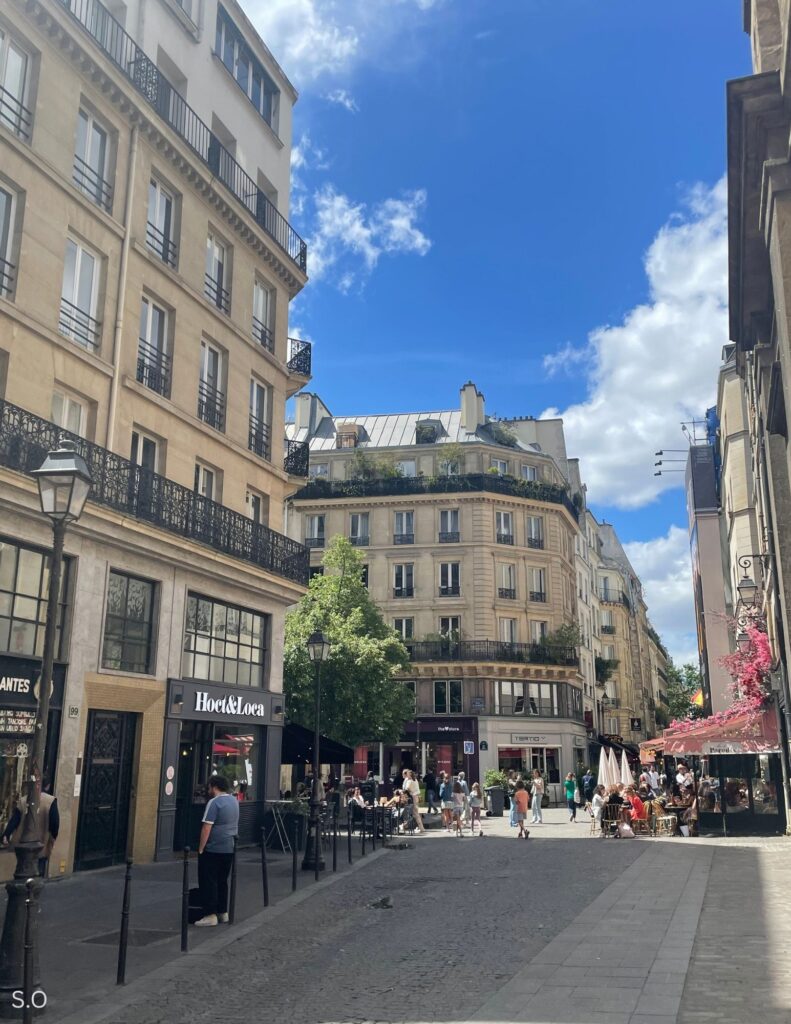
Paris is divided into 20 districts, known as arrondissements, each offering its own unique charm and convenience. As a result, choosing the right area allows you to tailor your stay—whether you’re drawn to art, history, shopping, or nightlife.
For example, the 1st arrondissement places you just steps from the Louvre Museum and the Jardin des Tuileries. Meanwhile, the Marais (3rd/4th) captivates visitors with its boutiques and cafés. If you’re seeking classic culture and a vibrant student atmosphere, the Latin Quarter (5th) is an excellent choice. On the other hand, the romantic 7th arrondissement offers iconic views of the Eiffel Tower, while the 8th is ideal for luxury stays near the Champs-Élysées.
No matter where you stay, Paris provides a wide range of accommodations—from luxury hotels and stylish apartments to budget-friendly hostels—ensuring options for every style and budget.
Day Trips and Sightseeing
If you plan to soak in the French culture for more than four days, consider taking a scenic train ride to explore the stunning suburbs of Paris, such as Versailles, Euro Disney, Giverny. You can also take a train to several towns within less than two hours of train ride, such as Nancy, Strasbourg, Reims, and more.
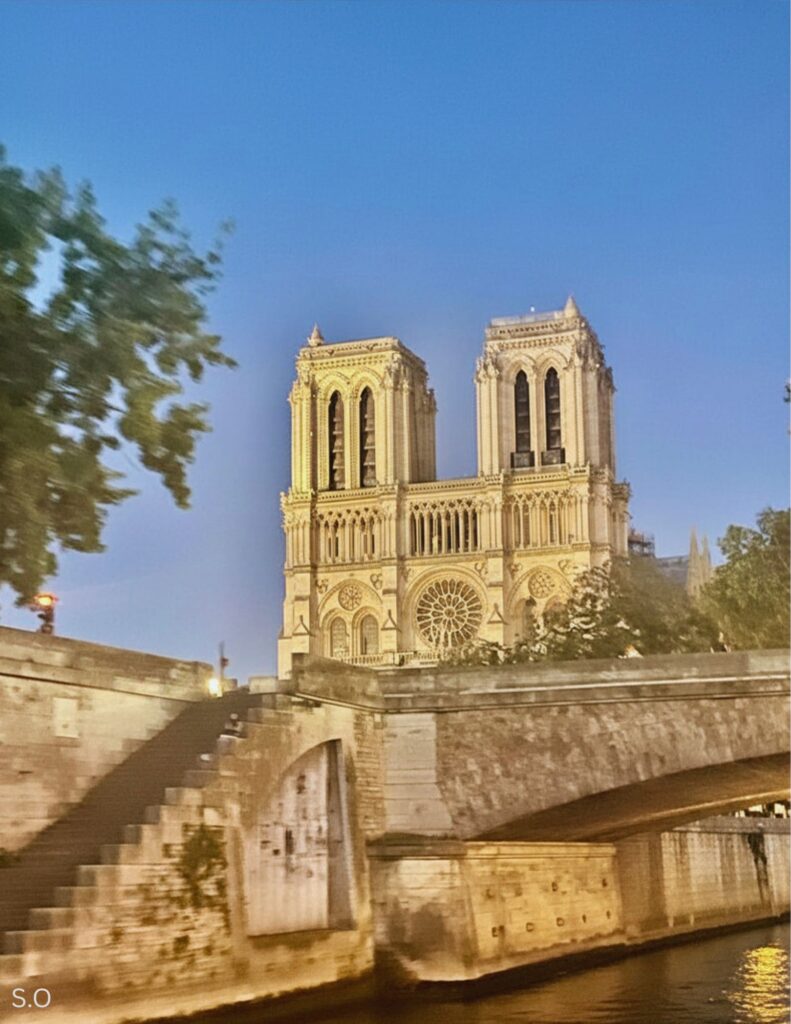
Four days in the French capital give you the perfect window to experience its true magic. From standing beneath the Eiffel Tower to wandering through the quiet, art-filled halls of the Louvre, this cultural itinerary blends world-famous landmarks with the city’s most charming hidden gems.
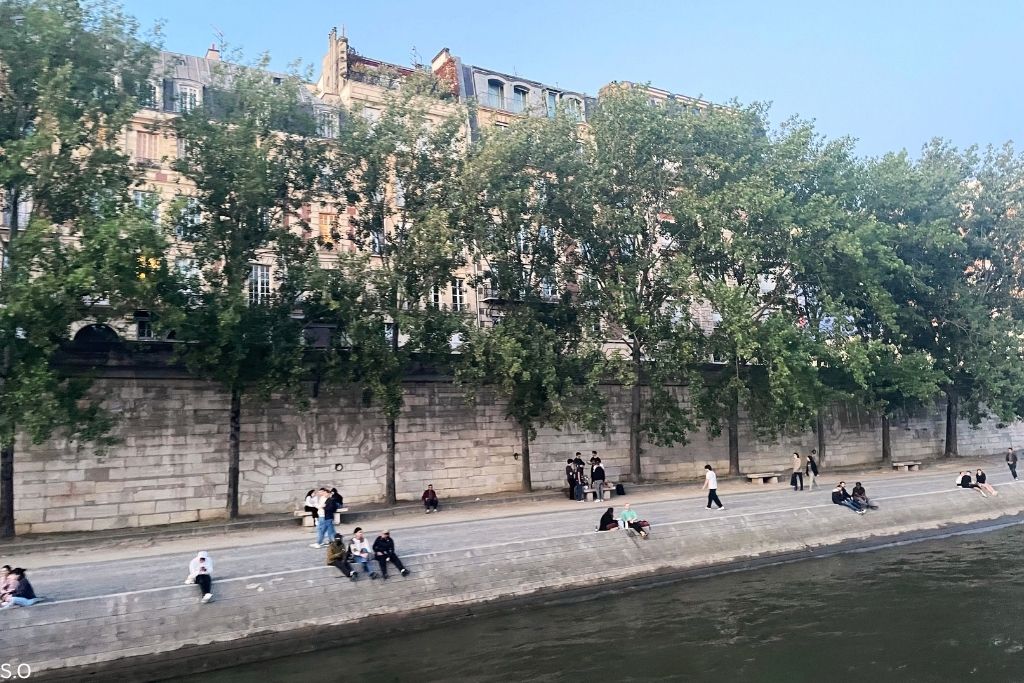
Paris is more than just a destination; it is a city you feel. Whether you spend your afternoons admiring grand architecture or finding a peaceful spot by the flowing waters of the Seine River, these experiences will stay with you long after your visit.